
What Is Sound Design: Understanding Sound Design for Film and Video, From Dialogue and Effects to Atmosphere and Creative Audio
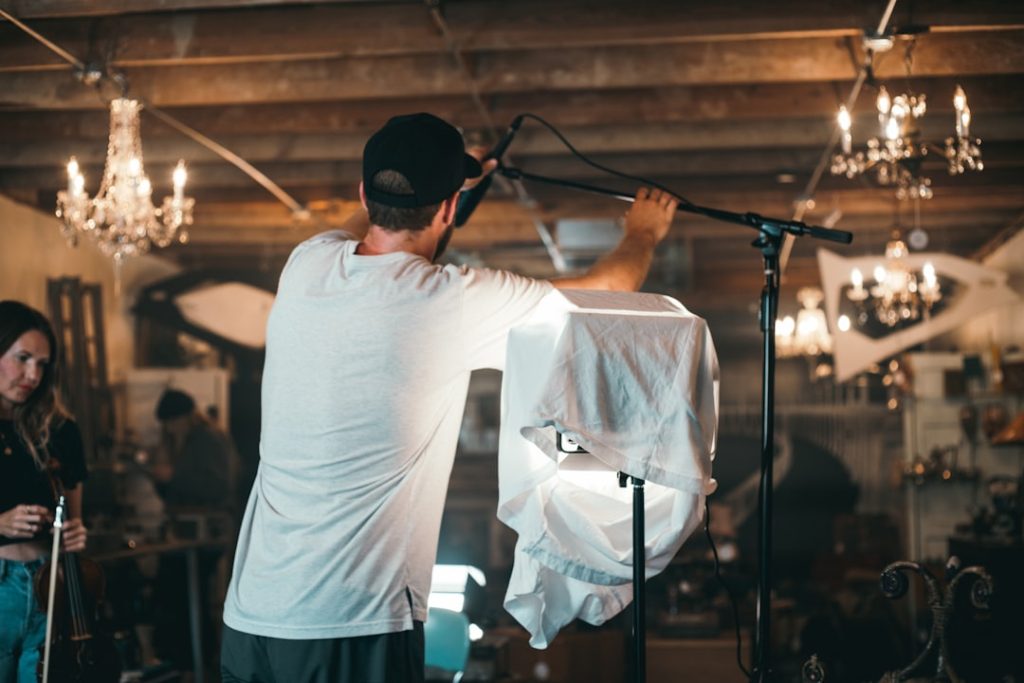
Sound design is the planned creation, editing, mixing, and placement of every sound a viewer hears in a film or video. It covers dialogue, footsteps, room tone, weather, machines, music texture, silence, and strange creative sounds that do not exist in real life. Good sound design makes a scene feel clear, emotional, and believable before the viewer even notices why.
TLDR: Sound design shapes the full audio experience of a film or video, from clean dialogue to eerie background tones and punchy effects. For example, a 30-second horror scene may use only five visible actions but more than 40 separate audio layers, including breath, floor creaks, distant wind, low rumbles, and sudden impacts. In small productions, sound can affect perceived quality as much as the image; many viewers will forgive average visuals, but poor audio often makes a video feel amateur within the first 10 seconds.
What Sound Design Means in Film and Video
Sound design is not just adding noises after the edit. It is a storytelling process. A sound designer decides what should be heard, what should be hidden, and what should feel larger than life. The goal is not always realism. The goal is meaning.
A quiet kitchen can sound warm, tense, lonely, or unsafe depending on the audio choices. A soft refrigerator hum, a ticking clock, and distant traffic may create normal life. Remove the hum, boost the clock, and add a low tone, and the same kitchen starts to feel threatening.

In film and video, sound design usually works with three core areas: dialogue, sound effects, and atmosphere. Music may also be part of the process, especially when sound and score blend into one emotional layer.
Dialogue: The Anchor of the Story
Dialogue is often the most important sound in a scene. If the audience cannot understand speech, the scene fails fast. No clever effect can fix unclear story information.
Dialogue work starts with production audio. This includes boom microphones, lavalier microphones, and room recording on set. Later, the audio editor cleans noise, balances volume, removes clicks, and cuts between takes. If the original recording is unusable, actors may re-record lines in a studio. This process is called ADR, or automated dialogue replacement.
ADR can save a scene, but it is hard to make it feel natural. The actor must match timing, emotion, breath, and mouth movement. Honestly, many editors feel the pain here. A line that sounded fine on set can take an extra 20 minutes to match properly because one breath lands half a second late.
Strong dialogue editing also respects space. A character in a bathroom should not sound like a character in an open field. Reverb, echo, and tone help place the voice inside the world of the film.
Sound Effects: Making Action Feel Real
Sound effects, often called SFX, give weight to what appears on screen. Doors close. Cars pass. Guns click. Clothes move. Glass breaks. Bodies fall. Even tiny gestures need sound.
Many effects are recorded separately because real production audio is messy or weak. A punch in a film is rarely the true sound of a fist hitting a body. It may combine a leather slap, celery snap, bass hit, and short air burst. The result feels more powerful than reality.
Sound effects fall into several groups:
- Hard effects: Clear, specific sounds such as a phone ring, door slam, engine start, or dog bark.
- Foley: Custom performed sounds that match movement, such as footsteps, clothing rustle, or hand contact.
- Designed effects: Built sounds for creatures, future technology, dreams, magic, or abstract moments.
- Impacts and hits: Short sounds used for cuts, crashes, fights, title reveals, and transitions.
Foley is both practical and strange. A performer may walk on gravel in sync with an actor, squeeze fruit to mimic gore, or wave fabric for a coat movement. It seems silly until the scene plays without it. Then everything feels dead.
Atmosphere: The Sound of Place
Atmosphere, also called ambience or backgrounds, creates the sense of location. It fills the air around the characters. A forest has birds, insects, leaves, wind, and distance. A hospital has air vents, carts, shoes, machines, and muted voices. A city apartment has traffic, pipes, neighbors, and electrical hum.
Atmosphere is easy to underrate. It drives editors mad when a scene cuts from one angle to another and the room tone changes suddenly. The viewer may not know the term, but the cut feels broken. Good background audio smooths those joins.
Atmosphere also guides emotion. A beach can sound peaceful with soft waves and gulls. The same beach can feel hostile with heavy wind, low drones, and no birds. Silence can work too, but true silence is rare. Usually, “silence” in film means a controlled bed of very quiet sound.
Creative Audio: When Sound Says What Images Cannot
Creative sound design goes beyond realism. It can represent memory, fear, confusion, scale, or inner thought. A character having a panic attack may hear muffled voices, a rising tone, and exaggerated heartbeat. A science fiction ship may need a sound that suggests size, age, and danger, even though the object is fictional.
This is where sound design becomes highly expressive. Designers may combine animal calls, metal scrapes, synth tones, reversed recordings, and processed voices. A monster roar might blend a lion, pig, elephant, human scream, and slowed metal bend. The viewer hears one creature, not five sources.
Creative sound can also support editing rhythm. A sharp whoosh can make a camera move feel faster. A bass drop can make a reveal feel huge. A thin high tone can make a room feel unsafe before anything bad happens.
The Sound Design Workflow
Most film and video sound design follows a clear workflow. The order may change, but the main tasks stay similar.
- Spotting: The director, editor, and sound team identify where sound is needed.
- Dialogue editing: Speech is cleaned, repaired, synced, and balanced.
- Sound effects editing: Effects are chosen, recorded, layered, and timed to picture.
- Foley recording: Human movement and prop details are performed to match the scene.
- Ambience building: Background layers create location and continuity.
- Creative design: Special sounds are created for mood, story, or unreal elements.
- Mixing: All audio is balanced for clarity, emotion, and playback format.
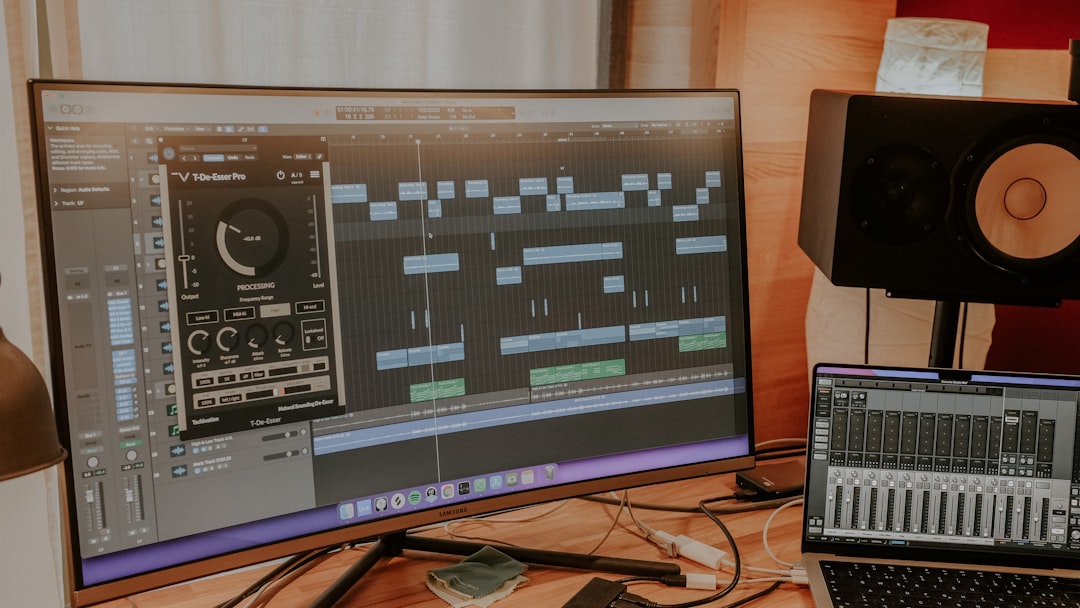
The mix is where everything must work together. Dialogue needs space. Effects need impact. Music must not bury key lines. Bass should feel strong without wrecking small speakers. A mix for a cinema, a phone, and a social platform may need different choices.
Why Sound Design Matters So Much
Sound shapes attention. It tells the viewer where to focus. A distant siren can hint at danger. A sudden stop in background noise can signal that something is wrong. A slight voice echo can suggest memory rather than present time.
It also raises production value. Even a simple interview feels more polished when dialogue is clean, room tone is steady, and music sits under the voice at the right level. By contrast, harsh wind noise or uneven volume can make a well-shot video feel cheap.
For short films, commercials, documentaries, and online videos, sound design is often the difference between “watchable” and “professional.” It supports pacing, emotion, realism, and brand tone. It does not need to be loud. It needs to be intentional.
Common Sound Design Mistakes
- Using sound effects that are too obvious: Stock sounds can work, but overused effects pull viewers out of the scene.
- Ignoring room tone: Empty gaps between dialogue edits can sound unnatural.
- Mixing music too loud: If speech gets buried, the story suffers.
- Adding too many layers: Busy audio can feel messy instead of rich.
- Forgetting playback devices: A mix that works on studio monitors may fail on phone speakers.
FAQ
What is the main job of a sound designer?
A sound designer creates and shapes the audio world of a film or video. This includes effects, ambience, transitions, unusual sounds, and sometimes voice processing or music texture.
Is sound design the same as music?
No. Music uses melody, rhythm, and harmony. Sound design focuses on audio elements such as effects, space, noise, texture, and realism. The two can overlap in some scenes.
What is the difference between Foley and sound effects?
Foley is performed live to match movement on screen, such as footsteps or clothing. Sound effects can come from libraries, field recordings, or custom sound creation.
Why is dialogue editing part of sound design?
Dialogue is the clearest carrier of story. Cleaning, syncing, and shaping voices helps the audience understand the scene and believe the space.
Can sound design improve a low-budget film?
Yes. Clean dialogue, strong ambience, and well-timed effects can make a low-budget project feel far more polished. Poor audio does the opposite, even when the image looks sharp.
