
How AI Trading Bots Analyze Market Data and Execute Trades
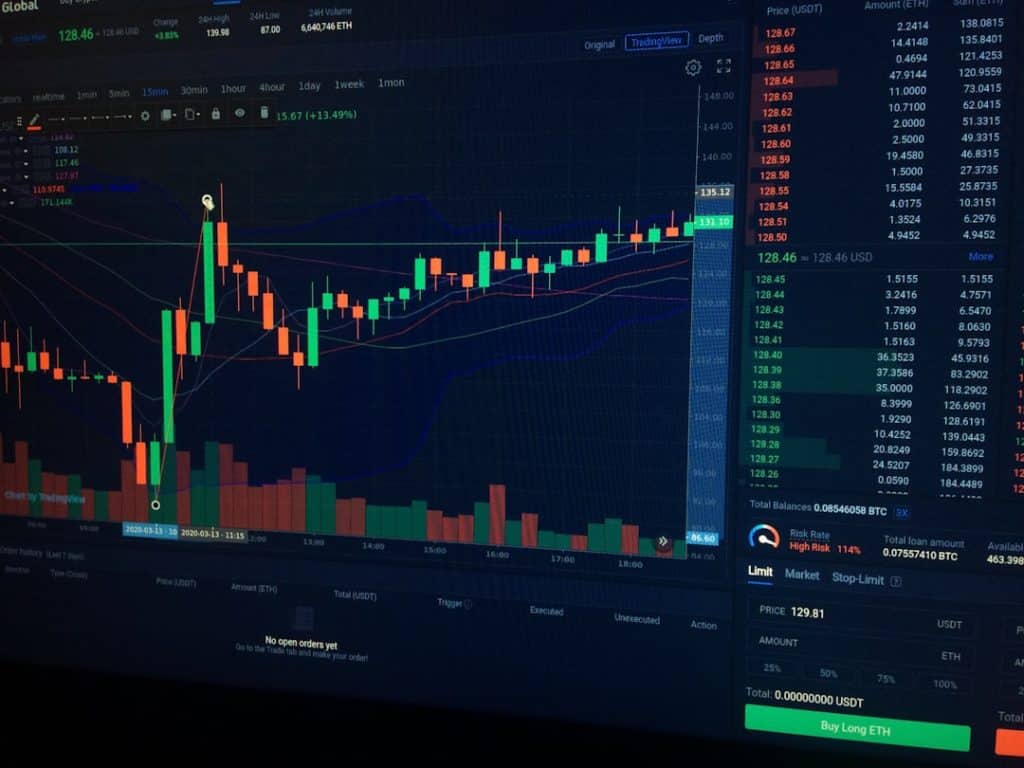
AI trading bots turn streams of prices, orders, news, and risk rules into buy or sell decisions within milliseconds. They collect market data, clean it, detect patterns, score trade ideas, and send orders to an exchange or broker when the rules line up.
TLDR: An AI trading bot watches live data such as price ticks, volume, spreads, and news sentiment, then decides whether a trade has enough edge to act. For example, a crypto bot may scan 50 trading pairs and place a small order when Bitcoin volume rises 18% above its 20 minute average while the bid ask spread stays tight. In a simple user case, a retail trader could set a bot to risk only 1% of account equity per trade, so a $10,000 account would cap risk near $100 on each position. The system is fast, but it still needs strict controls because bad data or poor settings can burn money quickly.
What Market Data AI Trading Bots Read
AI trading bots start with data. Without clean inputs, even a clever model becomes expensive noise. Most bots read several data types at once, then rank them by usefulness.
- Price data: Open, high, low, close, ticks, and recent price changes.
- Volume: Total traded size, volume spikes, and volume near key price zones.
- Order book data: Bid levels, ask levels, depth, and order flow pressure.
- Trade prints: Actual executed trades, size, speed, and direction.
- News and sentiment: Headlines, social posts, earnings reports, and macro updates.
- Technical indicators: Moving averages, RSI, MACD, Bollinger Bands, volatility, and trend strength.
- Account data: Margin, cash balance, open positions, fees, and current exposure.
The bot does not treat all signals equally. A price move with thin volume may mean little. A smaller move with heavy volume and strong order book support may carry more weight. Honestly, it feels like many trading tools still bury that distinction under glossy dashboards, forcing operators to click through five panels just to find basic liquidity data.
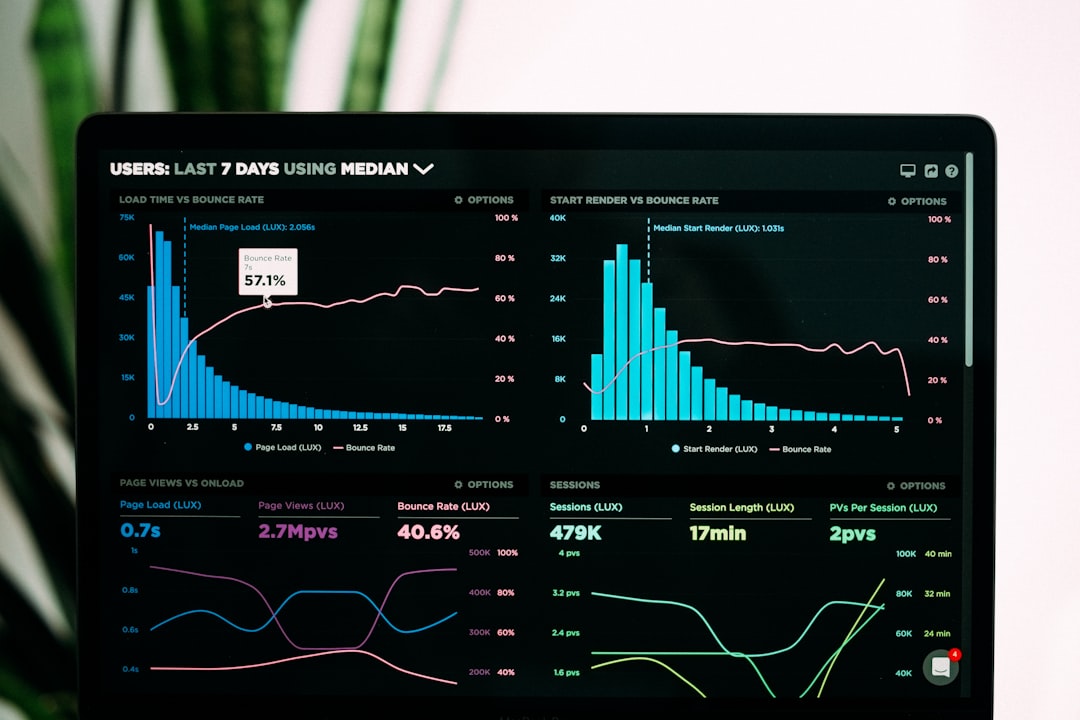
How Data Gets Cleaned and Prepared
Raw market data is messy. Prices can arrive late. Feeds can drop. Exchanges can show strange spikes caused by a single odd trade. An AI trading bot must filter this before any decision is made.
Common preparation steps include removing bad ticks, aligning timestamps, filling small data gaps, and converting raw numbers into features. A feature is a useful input for a model. For example, instead of reading only the last price, the bot may calculate the price change over 5 seconds, 1 minute, and 15 minutes. It may also compare current volume with the average from the last 30 sessions.
This step is rarely exciting, but it matters. A bot that reacts to false spikes may buy the top or sell the bottom. That mistake can happen in less than a second.
How AI Models Find Trade Signals
Once the data is ready, the bot looks for signals. A signal is a reason to consider a trade. Some bots use simple rules. Others use machine learning models trained on past market behavior.
Rule based systems may follow clear logic. If the 20 period moving average crosses above the 50 period moving average, and volume rises, the bot may buy. These systems are easier to audit, but they can break when market conditions shift.
Machine learning systems search for patterns across large data sets. They may study thousands or millions of historical examples. A model might learn that a quick jump in volume, a tight spread, and positive news sentiment often lead to short term momentum. It then scores the current setup against past patterns.
Deep learning systems can process dense data, such as tick streams or text. They may be used for sentiment analysis or high frequency pattern recognition. These models can spot subtle relationships, but they are harder to explain. That can be a real headache when a bot makes a strange trade and the operator needs to know why.
From Signal to Trade Decision
A signal alone does not mean the bot trades. A proper trading bot checks risk first. It asks several questions before sending an order.
- Is the expected gain higher than fees and slippage?
- Is liquidity deep enough for the desired position size?
- Does the account already hold similar risk?
- Where should the stop loss go?
- What is the maximum loss if the trade fails?
- Is the market too volatile right now?
For example, a bot may predict a 0.35% short term price rise. If trading fees and expected slippage total 0.20%, the real edge is much smaller. The bot may skip the trade unless the confidence score is high. This is where weaker bots often fail. They find movement, but not enough profit after costs.
How Orders Are Executed
After approval, the bot sends an order through an API connected to a broker or exchange. The API acts as a bridge. It lets software place, modify, or cancel trades.
The bot must choose the right order type. A market order executes quickly, but the final price may be worse than expected. A limit order sets a maximum buy price or minimum sell price, but it may not fill. A stop order can help control losses or enter after a breakout.
Execution logic can be simple or advanced. Large orders may be split into smaller pieces to reduce market impact. A bot may place 10 smaller orders over 30 seconds instead of one large order at once. That can help avoid moving the price against itself.
Speed also matters. In liquid crypto or stock markets, prices can change many times per second. A 400 millisecond delay may not matter for a swing trading bot, but it can ruin a short term scalp. It drives operators crazy when a platform adds two extra confirmation calls to an API request and turns a quick fill into a missed entry.
How Bots Manage Open Positions
The job is not done after entry. AI trading bots keep watching the market. They may adjust stops, take partial profits, or close a trade when the original reason disappears.
A bot may use a trailing stop if price moves in the right direction. It may close half the position after a 1% gain and let the rest run. It may also exit early if order book strength fades or if negative news appears.
Good bots also track total portfolio risk. If several positions are tied to the same asset class, the bot should reduce exposure. For instance, a crypto bot holding Ethereum, Solana, and several smaller tokens may treat them as related risk during a broad market selloff.
Backtesting and Live Testing
Before real money enters the picture, a bot is usually backtested. Backtesting checks how a strategy would have performed on historical data. It can show win rate, average gain, drawdown, and risk per trade.
Still, backtests can mislead. Historical data may not include realistic fees. It may assume perfect fills. It may ignore outages. A strategy showing 68% wins in a test may perform far worse live if spreads widen or orders fill late.
Many teams use paper trading next. The bot runs in live markets, but no real funds are used. This helps reveal issues with timing, data quality, and order handling. Expect to waste time on small fixes here. A timestamp mismatch of only one second can make a high speed strategy look smarter than it really is.
Main Risks of AI Trading Bots
AI trading bots can act fast, but speed can magnify errors. A bad loop may place too many orders. A broken news filter may react to satire or old headlines. A model trained on calm markets may fail during panic.
Common risks include overfitting, poor data, API outages, hidden fees, weak risk limits, and model drift. Model drift happens when market behavior changes and the old pattern stops working. The bot may still trade with confidence, even though its edge has faded.
Risk controls should include daily loss limits, position caps, kill switches, and alerts. Human review still matters. The best systems keep detailed logs so an operator can review each decision after the fact.
FAQ
-
How does an AI trading bot decide when to buy or sell?
It compares live market data with its strategy rules or trained model. If the setup passes signal, risk, and execution checks, it sends an order. -
Can AI trading bots guarantee profits?
No. They can process data quickly, but markets remain uncertain. Losses are always possible. -
What data is most useful for a trading bot?
Price, volume, order book depth, volatility, fees, spreads, and news sentiment are common inputs. The best mix depends on the strategy. -
Do bots work better for short term or long term trading?
They can work for both. Short term bots rely more on speed and execution quality. Longer term bots focus more on trend, valuation, macro signals, and risk sizing. -
What is the biggest mistake with AI trading bots?
The biggest mistake is trusting a model without strict risk limits. A bot should always have position caps, stop rules, and a way to shut it down fast.
