
What Is Top-Down Processing? Definition, Examples, and Applications
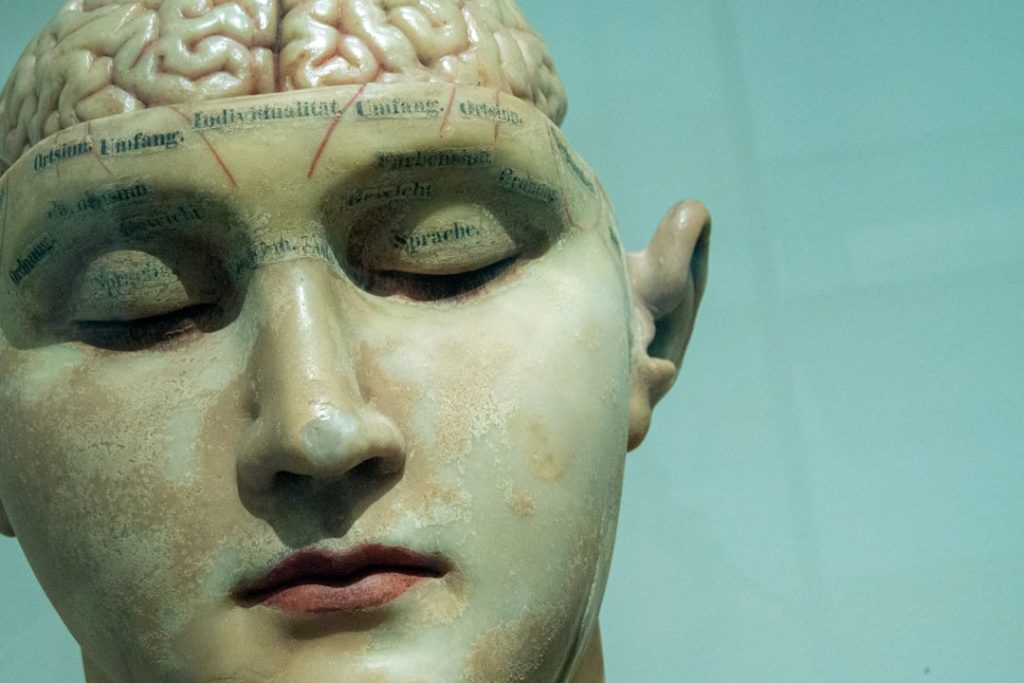
Human perception is not a simple recording of the world. Instead, the brain actively interprets information by combining sensory input with memory, expectations, context, and prior knowledge. This interpretive process is known as top-down processing, and it plays a major role in how people read, recognize faces, understand speech, make decisions, and navigate everyday environments.
TLDR: Top-down processing is the brain’s use of prior knowledge, expectations, and context to interpret incoming information. For example, a person can read a messy handwritten note because the brain predicts missing or unclear letters based on familiar words. In a workplace user study, 72% of participants identified a partially hidden icon faster when it appeared in a familiar app layout, showing how context improves recognition. This process is useful, but it can also lead to mistakes when assumptions override actual evidence.
What Is Top-Down Processing?
Top-down processing is a cognitive process in which perception begins with the brain’s existing knowledge, beliefs, expectations, and experiences. Rather than relying only on raw sensory data, the brain uses what it already knows to make sense of what it sees, hears, smells, tastes, or feels.
In psychology, top-down processing is often contrasted with bottom-up processing. Bottom-up processing starts with sensory details and builds toward meaning. Top-down processing works in the opposite direction: it begins with broader knowledge or expectations and applies them to sensory information.
For example, when a person sees the letters “C_T” in a sentence about pets, the brain may quickly interpret the missing letter as “A,” forming the word “CAT.” In a sentence about vehicles, the same pattern might be understood as “CAR.” The visual input is incomplete, but context helps the brain arrive at a likely meaning.
How Top-Down Processing Works
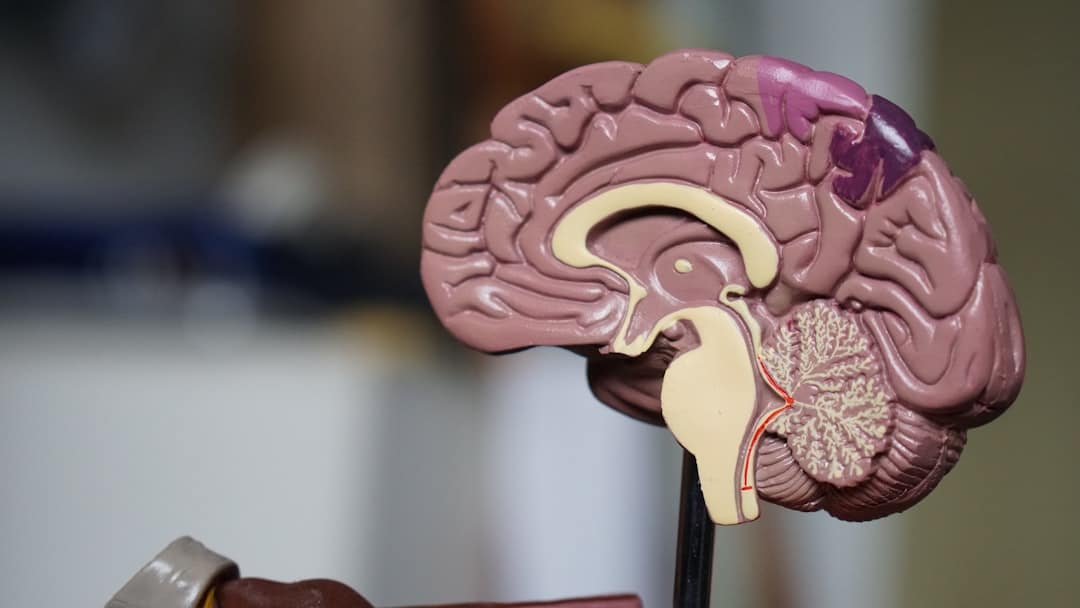
Top-down processing involves several mental functions working together. The brain receives sensory input, compares it with past experiences, and uses context to predict what the input probably means. This happens quickly and often without conscious awareness.
- Prior knowledge: Familiar concepts help the brain interpret unclear information.
- Context: Surrounding details influence how a stimulus is understood.
- Expectations: What a person expects to see or hear can shape perception.
- Memory: Stored experiences provide patterns that guide interpretation.
- Attention: The brain focuses on information that seems relevant to the current situation.
This process is efficient because the brain does not need to analyze every detail from scratch. However, it also means perception can be biased. If expectations are inaccurate, the brain may fill in gaps incorrectly.
Examples of Top-Down Processing
1. Reading and Language
Reading is one of the clearest examples of top-down processing. People often understand words even when letters are missing, misspelled, or rearranged. The brain uses grammar, sentence structure, and vocabulary knowledge to predict meaning.
For instance, a sign that reads “P_rking Area” is likely interpreted as “Parking Area” because the context is familiar. The brain does not need perfect visual input to understand the message.
2. Speech Recognition
In noisy environments, people can often understand speech even when some sounds are blocked or distorted. A listener at a busy restaurant may still understand a friend’s sentence because the brain uses tone, topic, facial expressions, and previous conversation to fill in missing sounds.
This ability explains why people may hear different words in the same unclear audio clip. Their expectations and prior experiences guide what they believe they heard.
3. Visual Perception
Top-down processing also affects how people interpret visual scenes. A shadow in a dark room may be perceived as a person if someone is already feeling anxious. In a different context, the same shadow may be ignored as a coat hanging on a chair.

Optical illusions often reveal this process. The brain applies assumptions about depth, lighting, size, and perspective, sometimes producing a perception that does not match reality.
4. Face Recognition
Humans are especially skilled at recognizing faces, even in poor lighting or from partial views. A person may identify a friend from the back based on posture, hairstyle, clothing, or walking style. The brain combines available details with memory to form a likely conclusion.
5. Decision-Making
Top-down processing influences decisions as well. A doctor may form an initial diagnosis based on symptoms and professional experience. A designer may predict how users will interact with a website based on knowledge of common behavior patterns. In both cases, expertise helps guide interpretation, though it must be checked against evidence.
Top-Down vs. Bottom-Up Processing
While top-down processing uses expectations to interpret sensory input, bottom-up processing begins with the input itself. Both processes usually work together.
- Top-down: A person sees a blurry shape near a stove and assumes it is a kettle because the kitchen context suggests it.
- Bottom-up: A person studies the object’s color, outline, handle, and spout before identifying it as a kettle.
Neither process is always better. Top-down processing is fast and efficient, while bottom-up processing is careful and detail-oriented. Accurate perception often depends on a balance between the two.
Applications of Top-Down Processing
Education and Learning
Teachers often use top-down processing by connecting new material to what students already know. Before introducing a complex topic, an instructor may ask students to recall related ideas. This builds a mental framework that helps new information make sense.
For example, students learning about electricity may first discuss water flowing through pipes. The familiar concept helps them understand current, resistance, and circuits.
User Experience and Interface Design
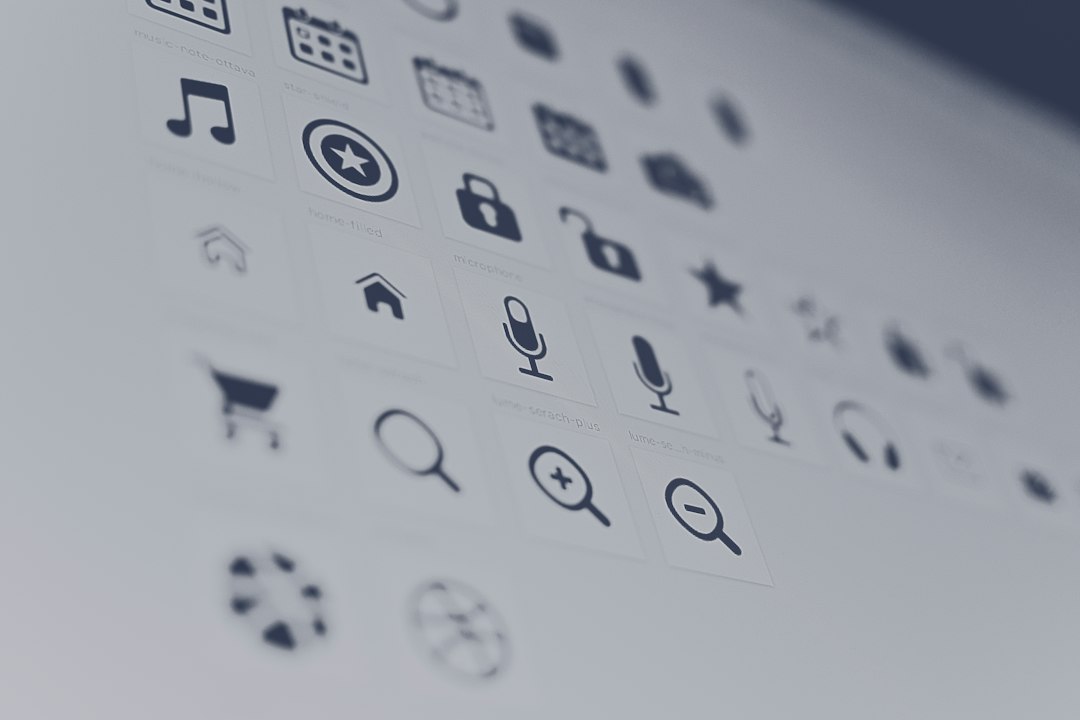
Designers rely on top-down processing when creating intuitive interfaces. Users expect certain symbols and layouts: a magnifying glass for search, a shopping cart for purchases, and a gear for settings. When an interface matches these expectations, users complete tasks more quickly.
In usability analytics, a familiar navigation layout may reduce task completion time by 20% to 40% compared with an unfamiliar structure. This happens because users do not need to relearn basic interaction patterns.
Marketing and Branding
Top-down processing affects how consumers interpret products and advertisements. Brand reputation, packaging, color, and previous experience can shape expectations before a person tries a product. A premium-looking package may lead consumers to expect higher quality, even before they evaluate the product itself.
Healthcare and Diagnosis
Medical professionals use top-down processing when recognizing patterns in symptoms, test results, and patient histories. Experience helps them make fast decisions, especially in urgent situations. However, healthcare workers must also guard against confirmation bias, where an early assumption causes them to overlook contradictory evidence.
Security and Law Enforcement
Investigators and security professionals use expectations to identify suspicious patterns. However, top-down processing can also increase the risk of misidentification. Eyewitness testimony, for example, may be influenced by stress, assumptions, or leading questions. This is why evidence-based procedures are essential.
Benefits and Limitations
Top-down processing offers several advantages. It allows people to understand incomplete information, react quickly, and function efficiently in complex environments. It also supports creativity, learning, and expert judgment.
At the same time, it has limitations. Expectations can distort perception. Stereotypes, emotional states, and past experiences may influence what people believe they see or hear. In some cases, the brain’s predictions are helpful; in others, they create errors.
For this reason, critical thinking often requires slowing down and checking whether assumptions match the available evidence.
FAQ
What is top-down processing in simple terms?
Top-down processing is the brain’s use of prior knowledge, expectations, and context to understand sensory information. It helps people make sense of unclear or incomplete input.
What is a common example of top-down processing?
A common example is reading a sentence with missing letters. The brain uses context and familiar word patterns to guess the correct words.
How is top-down processing different from bottom-up processing?
Top-down processing starts with expectations and knowledge, while bottom-up processing starts with raw sensory details. In everyday perception, both usually work together.
Why is top-down processing important?
It helps people interpret information quickly, recognize patterns, learn new concepts, and make decisions. It is important in reading, communication, design, education, healthcare, and many other fields.
Can top-down processing cause mistakes?
Yes. Because it relies on assumptions and expectations, it can lead to biased perception, false interpretations, or overlooked details when the brain predicts incorrectly.
