
How Automation Is Revolutionizing Ecommerce Order Fulfillment
Ecommerce order fulfillment has moved from a back-office function to a critical driver of customer satisfaction, profitability, and competitive advantage. As online order volumes rise and shoppers expect faster, more accurate delivery, retailers can no longer rely solely on manual processes, fragmented systems, or reactive decision-making. Automation is reshaping fulfillment from end to end, helping businesses process orders faster, reduce errors, control costs, and scale operations with greater confidence.
TLDR: Automation is revolutionizing ecommerce order fulfillment by connecting inventory, warehousing, picking, packing, shipping, and returns into faster and more reliable workflows. It reduces human error, improves delivery speed, and gives businesses better visibility over operations. While automation requires planning and investment, it is becoming essential for ecommerce companies that want to compete on service, cost, and scalability.
The changing expectations behind ecommerce fulfillment
Modern online shoppers have become accustomed to convenience. Many expect accurate stock information, same-day or next-day dispatch, transparent tracking, and easy returns. These expectations are no longer limited to large marketplaces; they influence how customers judge brands of every size. A delayed shipment, incorrect item, or unclear delivery update can quickly damage trust.
At the same time, merchants are dealing with higher order complexity. A typical ecommerce operation may sell across multiple channels, maintain inventory in several warehouses, use third-party logistics providers, support international shipping, and process returns from different regions. Managing this manually is difficult and often unsustainable. Automation provides the structure needed to coordinate these moving parts with speed and consistency.

What automation means in order fulfillment
Automation in ecommerce fulfillment does not refer to one single technology. It is a broad set of tools and systems designed to reduce manual work, improve accuracy, and make operational decisions more efficient. These systems may include warehouse management software, automated picking tools, robotic systems, barcode scanning, shipping rule engines, inventory synchronization, and automated customer notifications.
In practical terms, fulfillment automation often begins when a customer places an order. The order is automatically captured from the sales channel, verified, routed to the best warehouse, matched with available inventory, assigned to a picking workflow, packed according to predefined rules, labeled for shipment, and updated with tracking information. Each step that once required manual intervention can now be supported or completed by connected systems.
This does not mean people disappear from fulfillment operations. In most businesses, automation works best when it supports human teams. Employees can focus on exception handling, quality control, customer service, process improvement, and strategic decision-making rather than repetitive administrative tasks.
Faster order processing and dispatch
Speed is one of the most visible benefits of fulfillment automation. Manual order processing can create delays, especially during peak seasons, promotions, or unexpected demand spikes. If staff need to download orders, check inventory, print labels, and assign shipments manually, every additional order increases the likelihood of a bottleneck.
Automated systems remove much of this delay. Orders can be imported instantly from ecommerce platforms and marketplaces. Inventory availability can be confirmed in real time. Shipping labels can be generated automatically based on carrier rules, destination, delivery promise, package weight, and service level. As a result, businesses can move orders from placement to dispatch much faster.
Faster processing also improves cut-off management. For example, if a retailer promises same-day dispatch for orders placed before a certain time, automation can prioritize those orders automatically and route them to the right team or facility. This makes delivery promises more reliable and reduces the need for manual supervision.
Improved accuracy and fewer costly errors
Order errors are expensive. Shipping the wrong item can result in replacement costs, return shipping fees, additional customer service workload, lost inventory accuracy, and disappointed customers. Even a small error rate can become costly when order volumes increase.
Automation helps reduce these risks by introducing verification throughout the fulfillment process. Barcode scanning can confirm that the correct product is picked. Warehouse management systems can guide staff to the right location. Automated packing rules can assign the correct packaging, inserts, or documentation. Shipping software can validate addresses and reduce carrier-related mistakes.
Accuracy is not only about avoiding mistakes; it is also about building trust. Customers may forgive an occasional delay if communication is clear, but receiving the wrong product often feels careless. A more accurate fulfillment process improves the overall customer experience and protects brand credibility.
Real-time inventory visibility
Inventory accuracy is one of the foundations of reliable ecommerce fulfillment. Without accurate inventory, a business risks overselling, underselling, delaying shipments, or tying up capital in the wrong products. Manual stock updates are particularly vulnerable to timing issues when orders come from multiple sales channels.
Automation enables real-time or near real-time inventory synchronization across stores, marketplaces, warehouses, and fulfillment partners. When an item is sold, returned, transferred, or adjusted, the system can update availability across connected platforms. This gives teams a clearer view of what is available, where it is located, and how quickly it can be shipped.
Better inventory visibility also supports smarter decision-making. Businesses can identify fast-moving products sooner, reorder more confidently, and reduce stockouts. They can also detect slow-moving inventory and adjust promotions, purchasing, or storage strategies before costs rise unnecessarily.
Smarter warehouse workflows
Warehouse operations are often where automation delivers the most measurable gains. Traditional picking and packing processes can involve significant walking time, searching, paper-based instructions, and manual sorting. These inefficiencies become more serious as order volume grows.
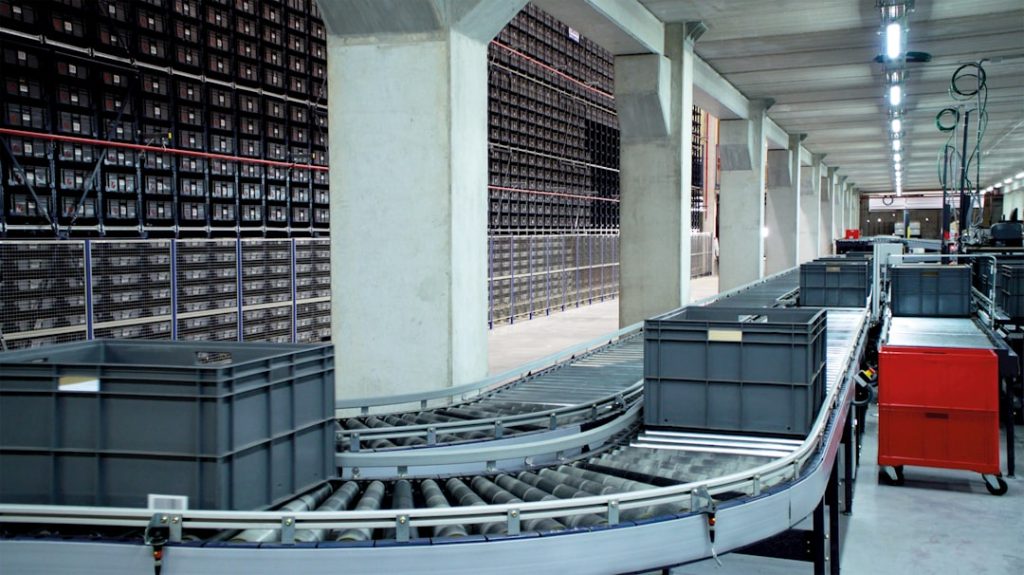
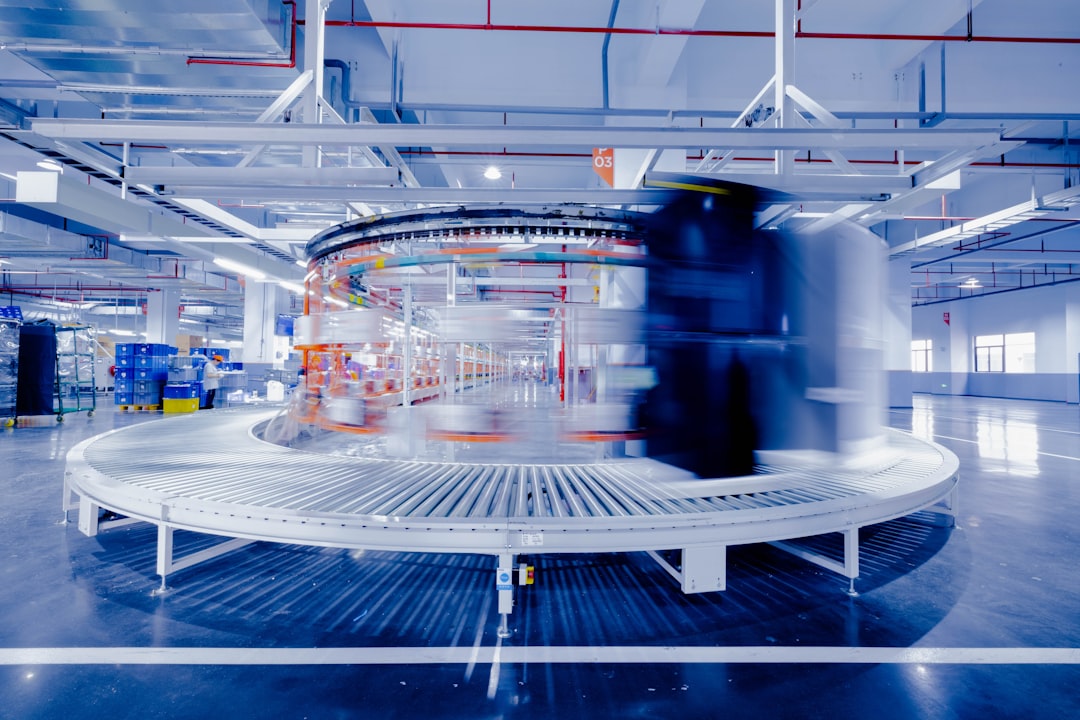
Automated warehouse management systems can optimize pick paths, group similar orders, support batch picking, and direct workers through efficient routes. In more advanced facilities, conveyors, sortation systems, automated storage and retrieval systems, and robotics can move goods through the warehouse with minimal manual handling.
Not every ecommerce business needs a highly robotic warehouse. Many companies achieve meaningful improvements with practical automation such as barcode scanning, digital pick lists, mobile devices, and automated packing slip generation. The key is to target the sources of delay and error that most affect the operation.
- Batch picking: Allows staff to pick multiple orders in one route, reducing travel time.
- Zone picking: Assigns workers to specific warehouse areas, improving specialization and flow.
- Automated sorting: Directs items or parcels to the correct packing station, carrier, or dispatch lane.
- Barcode verification: Confirms product, quantity, and order accuracy before shipment.
Better shipping decisions and carrier management
Shipping is both a customer-facing promise and a major cost center. Selecting the wrong carrier or service can increase expenses, slow delivery, or create avoidable service failures. Manual carrier selection may work for a small number of orders, but it becomes inefficient as shipment volume, destinations, and service options expand.
Automation allows businesses to apply shipping rules at scale. A system can choose a carrier based on cost, delivery speed, package size, customer location, product category, and promised service level. It can also compare rates, generate labels, send tracking details, and update order status automatically.
This is especially valuable for businesses using multiple carriers. If one carrier experiences delays in a certain region, automated workflows can help route shipments through a better option. Over time, shipping data can reveal performance trends, enabling more informed negotiations and carrier selections.
Scalability during peak demand
Seasonal peaks place enormous pressure on ecommerce fulfillment. Events such as holiday sales, product launches, or major promotional campaigns can multiply order volumes in a short period. Businesses that rely heavily on manual processes often struggle to maintain service levels during these surges.
Automation gives companies a more scalable operating model. While no system can eliminate every peak-season challenge, automated workflows reduce the amount of manual coordination needed per order. This allows the same team to process higher volume with fewer delays and fewer mistakes.
Scalability is not only about handling more orders. It is also about maintaining consistency. Customers who buy during a peak period still expect accurate delivery estimates, timely tracking updates, and professional service. Automated fulfillment processes help businesses meet those expectations even under pressure.
Returns automation and reverse logistics
Returns are a major part of ecommerce, particularly in categories such as fashion, footwear, electronics, and home goods. A poor returns process can frustrate customers and strain operations. Manual return approvals, unclear instructions, and slow refunds can damage loyalty.
Automation can make reverse logistics more efficient and transparent. Customers can initiate returns through a digital portal, receive eligibility decisions based on predefined policies, generate return labels, and track return status. Once the item is received, warehouse teams can scan it, inspect it, restock it, refurbish it, or route it for disposal according to established rules.
For businesses, automated returns data is highly valuable. It can reveal product quality issues, sizing problems, misleading descriptions, or supplier defects. Instead of treating returns as isolated losses, companies can use the data to improve merchandising, product content, and supplier management.
Data-driven decision-making
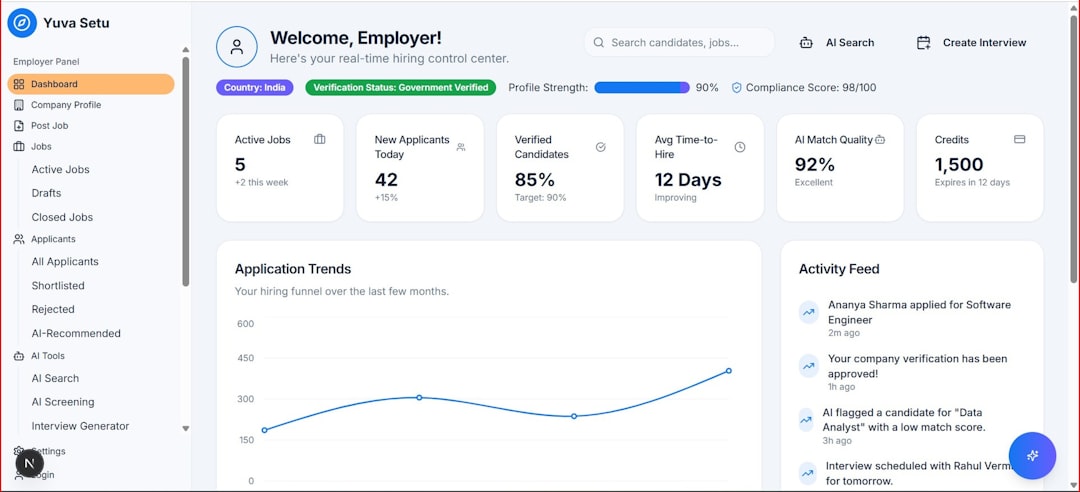
One of the most important advantages of automation is the data it creates. Manual operations often hide problems until they become urgent. Automated systems capture operational data continuously, making it easier to measure performance and identify opportunities for improvement.
Key metrics may include order cycle time, picking accuracy, packing speed, carrier performance, inventory turnover, return reasons, labor productivity, and fulfillment cost per order. When leaders have access to reliable data, they can make decisions based on evidence rather than assumptions.
Data also supports forecasting. By analyzing order history, seasonality, sales trends, and inventory movement, businesses can plan staffing, purchasing, warehouse space, and carrier capacity more effectively. This reduces the risk of both underpreparation and overinvestment.
Cost control and operational efficiency
Automation requires investment, but it can significantly improve cost control over time. Labor is one obvious area, but the savings are broader than simply reducing headcount. Automation can lower the cost per order by reducing rework, minimizing shipping mistakes, improving warehouse productivity, decreasing stock discrepancies, and reducing customer service inquiries related to fulfillment issues.
For example, accurate automated shipping rules can prevent unnecessary use of premium services. Better inventory visibility can reduce emergency replenishment costs. Faster returns processing can help recover sellable inventory sooner. These improvements may appear incremental, but together they can have a substantial financial impact.
Businesses should evaluate automation based on measurable outcomes. The most serious approach is to identify current pain points, estimate their cost, and prioritize automation projects that address the highest-value problems first.
Challenges businesses must manage carefully
Although automation offers significant benefits, it is not a simple cure for every fulfillment problem. Poorly planned automation can create new complications. Systems may fail to integrate properly, staff may resist new workflows, or businesses may automate inefficient processes instead of improving them first.
Successful implementation requires careful planning. Companies should map their current fulfillment processes, identify bottlenecks, define clear goals, and select tools that fit their operational reality. Training is also essential. Employees need to understand not only how to use automated systems, but why the changes matter.
Integration is another critical factor. Ecommerce platforms, inventory systems, warehouse software, shipping tools, accounting systems, and third-party logistics providers need to exchange accurate information. If integration is weak, automation may simply move errors faster rather than eliminate them.
The role of third-party logistics providers
Many ecommerce businesses use third-party logistics providers, commonly known as 3PLs, to access fulfillment infrastructure without building their own warehouses. Automation has transformed this sector as well. Modern 3PLs often provide automated inventory updates, order routing, shipping optimization, returns portals, and performance dashboards.
For growing retailers, this can be a practical way to benefit from advanced fulfillment automation without making large capital investments in facilities and equipment. However, businesses should assess whether a provider’s systems integrate reliably with their sales channels and whether the provider can meet service expectations during peak periods.
How automation affects customer experience
Customers rarely see the full fulfillment process, but they feel its results. Automation improves the customer experience by making delivery promises more dependable, tracking updates more timely, and returns easier to manage. It also reduces the likelihood of preventable mistakes.
Clear communication is especially important. Automated notifications can keep customers informed when an order is confirmed, shipped, delayed, out for delivery, or refunded. This reduces uncertainty and can lower the volume of “where is my order” inquiries.
In ecommerce, fulfillment is part of the product experience. A high-quality product can be undermined by poor delivery, while reliable fulfillment can strengthen customer confidence and encourage repeat purchases.
What the future of fulfillment automation looks like
The next stage of automation will likely be more intelligent, predictive, and connected. Artificial intelligence and machine learning are already being used to improve demand forecasting, warehouse slotting, fraud detection, delivery estimates, and customer service routing. Robotics will continue to advance, particularly in high-volume fulfillment centers where speed and consistency are essential.
There will also be growing emphasis on sustainability. Automated systems can help reduce packaging waste, optimize delivery routes, consolidate shipments, and improve inventory planning to limit overproduction and unnecessary storage. As environmental concerns influence consumer behavior and regulatory expectations, automation may support both operational and sustainability goals.
Another important trend is distributed fulfillment. Instead of shipping every order from one central warehouse, businesses can use multiple warehouses, retail stores, micro-fulfillment centers, or partner networks. Automation is essential for deciding where each order should be fulfilled based on inventory location, delivery speed, cost, and capacity.
Conclusion
Automation is revolutionizing ecommerce order fulfillment because it addresses the realities of modern online retail: higher customer expectations, rising order complexity, cost pressure, and the need for reliable scale. It connects systems, accelerates workflows, improves accuracy, and gives businesses the visibility required to make better decisions.
The most successful companies will not treat automation as a one-time technology purchase. They will treat it as a disciplined operational strategy, supported by clear goals, reliable data, thoughtful integration, and trained teams. In a market where delivery experience can determine whether customers return, automated fulfillment is no longer just an efficiency upgrade; it is a fundamental part of ecommerce competitiveness.
