
Best coyyn.com Digital Economy Tools for Modern Financial Systems

Modern finance moves fast. Money jumps from apps to cards to wallets to invoices in seconds. That can feel exciting. It can also feel like trying to ride a scooter through a fireworks show. This is where coyyn.com digital economy tools can help make financial systems easier, smarter, and more ready for the future.
TLDR: coyyn.com digital economy tools can help businesses handle payments, data, automation, security, and digital assets in one smarter way. They are useful for banks, fintech teams, online sellers, startups, and modern finance teams. The best tools make money movement faster, safer, and easier to understand. Think of them as a clean dashboard for a very busy money world.
Why Digital Economy Tools Matter
The digital economy is not just about online shopping. It is much bigger. It includes mobile payments, digital banking, crypto assets, online lending, business software, data systems, and smart contracts.
That sounds like a lot. Because it is.
Old financial systems were built for slower times. They often used paper forms. They depended on long approval steps. They worked well enough when money moved at bank speed.
Today, money moves at internet speed.
A customer may pay with a phone. A business may send invoices across the world. A finance team may track thousands of transactions in real time. A startup may need payment tools, customer checks, fraud alerts, and reports before lunch.
This is why digital economy tools are so important. They help turn financial chaos into clear action.

1. Digital Payment Tools
Payments are the heartbeat of modern finance. If payments are slow, the whole system feels slow. If payments are simple, everyone smiles more.
coyyn.com payment tools can help support smooth digital transactions. These tools are useful for businesses that accept money online, send funds, or manage customer payments.
Good digital payment tools should help with:
- Fast checkout for customers.
- Multiple payment methods, like cards, wallets, and bank transfers.
- Payment tracking in one clear place.
- Lower manual work for finance teams.
- Better transaction records for audits and reports.
Simple payments build trust. Customers do not want drama at checkout. They want to tap, pay, and move on with life.
For modern financial systems, payment tools are not optional. They are the front door.
2. Digital Wallet Support
Digital wallets are no longer futuristic. They are normal. People use wallets on phones, watches, and apps. Businesses use them too.
A strong digital wallet system helps users store, send, and receive money in a clean way. It may also support loyalty points, rewards, digital assets, or account balances.
Digital wallet tools are great because they make money feel easier. No one wants to dig through five systems just to check a balance.
Wallet tools can support:
- Instant balance checks.
- Quick transfers.
- Secure user access.
- Transaction history.
- Better customer engagement.
Think of a digital wallet as a small money backpack. It goes with the user. It is light. It is useful. It should not have mystery crumbs in it.
3. Financial Data Analytics
Data is the secret sauce of modern finance. But raw data can look like alphabet soup. It needs tools to become useful.
coyyn.com analytics tools can help teams understand what is happening inside their financial systems. They can show trends, risks, behavior, and performance.
This is very helpful for leaders. It helps them answer simple but important questions.
- Where is money coming from?
- Where is money going?
- Which products are growing?
- Which customers are active?
- Where are costs increasing?
- What looks risky?
Without analytics, a business is guessing. With analytics, it is reading the map.
Good data does not need to be boring. A clean dashboard can make numbers feel friendly. Charts can show patterns fast. Alerts can stop small problems before they become giant money monsters.
4. Automation Tools
Automation is like hiring a very quiet helper who never asks for coffee. It handles repeat tasks. It saves time. It reduces mistakes.
In finance, automation can be a big win. Many tasks happen again and again. Invoices. Payment reminders. Account updates. Report creation. Risk checks. Customer notifications.
Automation tools from a digital economy platform can support:
- Automatic invoices.
- Recurring payments.
- Payment reminders.
- Account reconciliation.
- Report scheduling.
- Workflow approvals.
This does not mean people become less important. It means people spend less time clicking buttons like tired robots.
Finance teams can focus on planning, solving problems, and helping the business grow. That is much more fun than chasing missing receipts.
5. Security and Fraud Protection
Money attracts attention. Some attention is good. Some is from people wearing metaphorical villain capes.
Modern financial systems need good security. They need to protect users, data, accounts, and transactions. Strong security is not just a feature. It is the seatbelt.
coyyn.com security tools can help financial systems stay safer and more reliable. These tools may support identity checks, access controls, fraud alerts, encryption, and monitoring.
Important security features include:
- Multi factor authentication for safer logins.
- Role based access so users only see what they need.
- Fraud detection for unusual activity.
- Transaction monitoring in real time.
- Data protection for sensitive records.
- Audit logs for clear history.
Security should not feel like a locked castle with no doors. It should feel like a smart guard. Friendly to the right people. Tough on the wrong ones.
6. Compliance Tools
Compliance is not always exciting. Nobody throws a party because a form was filed correctly. But compliance matters a lot.
Financial systems must follow rules. These rules may cover identity checks, reporting, records, taxes, anti fraud controls, and data privacy. If a company ignores compliance, trouble can arrive quickly.
Compliance tools help teams stay organized. They make it easier to collect data, store proof, create reports, and track required steps.
This can help with:
- Know your customer checks.
- Risk scoring.
- Document storage.
- Transaction records.
- Audit preparation.
- Policy tracking.
The best compliance tools are simple to use. They should not feel like a maze built by a sleepy lawyer. They should guide the team step by step.
7. Digital Asset Management
Digital assets are part of the new financial world. These may include cryptocurrencies, tokenized assets, stablecoins, digital certificates, and other blockchain based items.
Some businesses use digital assets for payments. Others use them for investment, rewards, records, or settlement. The details can get complex fast.
Digital asset tools can make this area easier to manage. They can help track balances, transactions, asset history, and risk.
Useful features can include:
- Asset tracking across accounts.
- Transaction visibility.
- Wallet activity records.
- Risk alerts.
- Clear reporting.
Digital assets can sound scary at first. But with the right tools, they become less like a dragon and more like a spreadsheet with sneakers.

8. API and Integration Tools
No modern financial system should live alone on a tiny island. Tools need to talk to each other.
An API is a bridge between systems. It lets one app share data or actions with another app. That may sound technical, but the idea is simple.
If payments, customer records, accounting, banking, and reporting tools connect well, work becomes smoother. If they do not connect, people copy and paste all day. That is not a happy future.
Integration tools can connect coyyn.com features with other systems used by a business. This helps reduce duplicate work and improves accuracy.
Good integrations can support:
- Accounting software connections.
- Bank data links.
- Customer platform syncing.
- Payment gateway connections.
- Reporting system updates.
Connected tools are like a band playing in rhythm. Unconnected tools are like five drummers doing their own thing. Loud. Confusing. Not ideal.
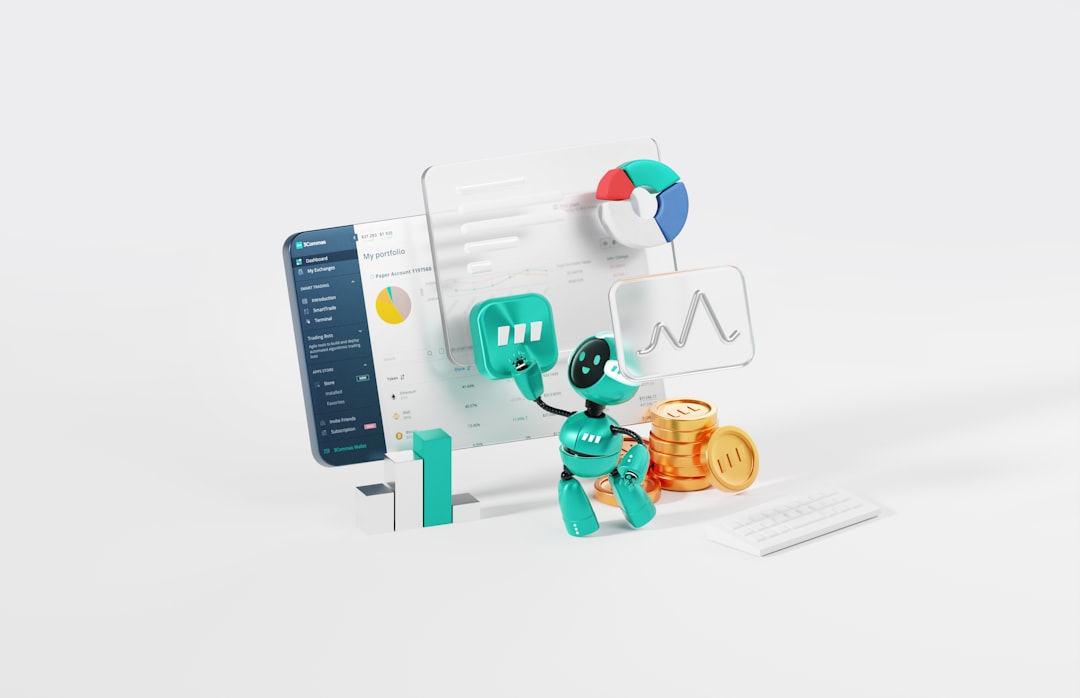
9. Business Finance Dashboards
A dashboard is where the magic becomes visible. It turns scattered details into one clean view.
Business finance dashboards help teams see important numbers quickly. They can show cash flow, recent payments, revenue, expenses, customer activity, and alerts.
This is useful for business owners, managers, accountants, and finance leaders. Nobody wants to open twelve tabs just to answer one question.
A good dashboard should be:
- Clear.
- Fast.
- Easy to customize.
- Updated in real time.
- Simple for non experts.
The goal is not to drown people in numbers. The goal is to show the right numbers at the right time.
10. Tools for Small Businesses and Startups
Small businesses need big power without big confusion. Startups need speed. They also need tools that grow with them.
coyyn.com digital economy tools can be especially helpful when a business wants to look professional from day one. Payment systems, reports, security, and customer records can all work together.
This helps small teams do more with less. It also helps them avoid messy systems later.
For small businesses, the best tools are:
- Easy to set up.
- Affordable to manage.
- Flexible as the business grows.
- Simple for the team.
- Helpful for customers.
A tiny shop can still have a sharp digital finance setup. Size does not decide smartness.
How to Choose the Best Tools
Choosing digital economy tools should not be random. Do not pick a tool just because it has a shiny button. Shiny buttons are nice. But useful buttons are better.
Start with your needs. Ask what problems you want to solve.
- Do payments take too long?
- Are reports hard to create?
- Is fraud risk increasing?
- Are customers asking for more payment options?
- Is the team stuck doing manual work?
- Do systems fail to connect?
Then compare the tools. Look for simple design, strong security, clear pricing, support options, and room to grow.
The best tool is not always the most complex one. Often, the best tool is the one your team will actually use.
Final Thoughts
The modern financial system is changing fast. Businesses need tools that can keep up. They need payment support, automation, analytics, security, compliance, digital asset features, and smooth integrations.
coyyn.com digital economy tools can help make this world easier to manage. They can turn fast moving finance into something clearer and more useful.
The big idea is simple. Money systems should be smart. They should be safe. They should be easy to understand. And if they can save your team from boring manual work, even better.
Modern finance does not have to feel like a giant puzzle with missing pieces. With the right tools, it can feel more like a well built game board. Clear paths. Smart moves. Better wins.
