
Platforms That Make QR Code Marketing Simple

QR codes have evolved from simple black-and-white squares into powerful marketing tools that connect physical and digital experiences in seconds. For businesses seeking measurable engagement, scalable campaigns, and seamless customer journeys, choosing the right QR code marketing platform is critical. Modern platforms go far beyond static code generation—they offer analytics, customization, automation, CRM integrations, and enterprise-grade security.
TLDR: QR code marketing platforms now provide dynamic code creation, real-time analytics, integrations, and campaign management tools that make offline-to-online engagement measurable and scalable. Leading solutions differ in customization depth, enterprise features, pricing, and compliance capabilities. Businesses should evaluate platforms based on security, analytics quality, scalability, and ease of use. The right platform simplifies deployment while maximizing customer engagement and ROI.
Today’s top QR code tools allow companies to update content dynamically, track user behavior in real time, and integrate campaigns with broader marketing automation systems. Whether placed on packaging, retail signage, direct mail, or event materials, QR codes function as immediate engagement bridges—if managed properly.
What Makes a QR Code Marketing Platform Effective?
Before reviewing individual tools, it is important to understand the capabilities that distinguish professional-grade platforms from basic generators. An effective solution should provide:
- Dynamic QR Codes: Update the destination URL without reprinting the code.
- Advanced Analytics: Track scans by location, time, device, and repeat visits.
- Customization Options: Branded colors, logos, frames, and calls-to-action.
- Campaign Management: Organized dashboards for multiple codes and initiatives.
- CRM & Marketing Integrations: Connectivity with email tools, automation platforms, and analytics suites.
- Security & Compliance: GDPR readiness, encrypted links, and access controls.
- Scalability: Suitable for single campaigns or enterprise deployments.
Organizations seeking long-term QR adoption should prioritize platforms that combine usability with robust infrastructure.
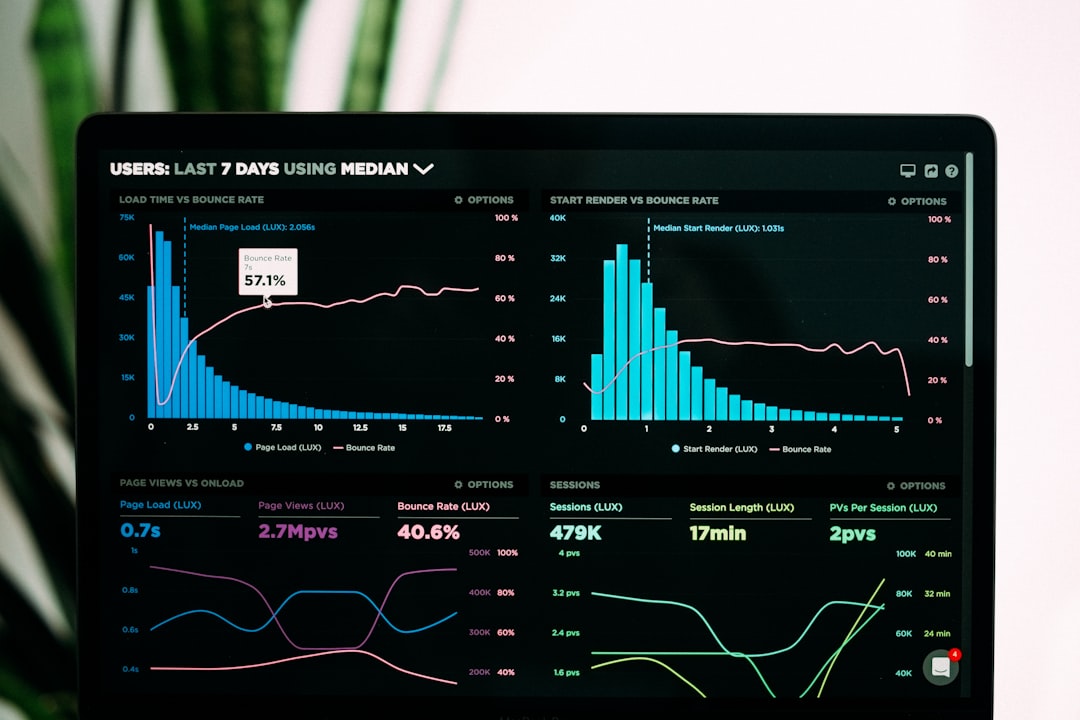
Leading Platforms That Simplify QR Code Marketing
1. QR Code Generator Pro
QR Code Generator Pro is widely recognized for its balance of simplicity and advanced features. It enables marketers to create fully branded, dynamic QR codes while offering real-time tracking and analytics.
Key strengths:
- Intuitive campaign dashboard
- Bulk QR code creation
- Scan analytics with geographic data
- Integration with Google Analytics
- Team collaboration features
This platform is well-suited for mid-sized companies that want professional-grade marketing capabilities without enterprise-level complexity.
2. Beaconstac
Beaconstac positions itself as an enterprise-focused QR code platform. It emphasizes security, compliance, and large-scale deployment management.
Key strengths:
- Enterprise-grade security and SOC 2 compliance
- API access for automation
- Retargeting integrations with Facebook Pixel and Google Ads
- Advanced campaign segmentation
This solution is particularly effective for regulated industries such as healthcare, finance, and manufacturing.
3. QR TIGER
QR TIGER combines affordability with a strong feature set. It offers dynamic QR codes with extensive customization options, making it attractive to small and medium-sized businesses.
- Editable destination URLs
- High-resolution QR downloads
- Real-time scan tracking
- Affordable pricing tiers
Its user-friendly interface allows rapid deployment across print, product packaging, and events.
4. The QR Code Platform
Designed for businesses seeking large-scale implementation, this platform focuses on structured campaign management and measurable ROI.
- Unlimited scans
- Custom domains
- Detailed reporting
- Multi-user access controls
It is often adopted by agencies managing multiple client accounts simultaneously.
5. Flowcode
Flowcode stands out for its focus on aesthetics and engagement optimization. It combines design-first QR creation with built-in analytics.
- Highly customizable visual design
- Mobile-optimized landing pages
- Performance tracking
- Strong brand alignment tools
This tool is frequently used in lifestyle, entertainment, and direct-to-consumer campaigns where visual appeal matters.
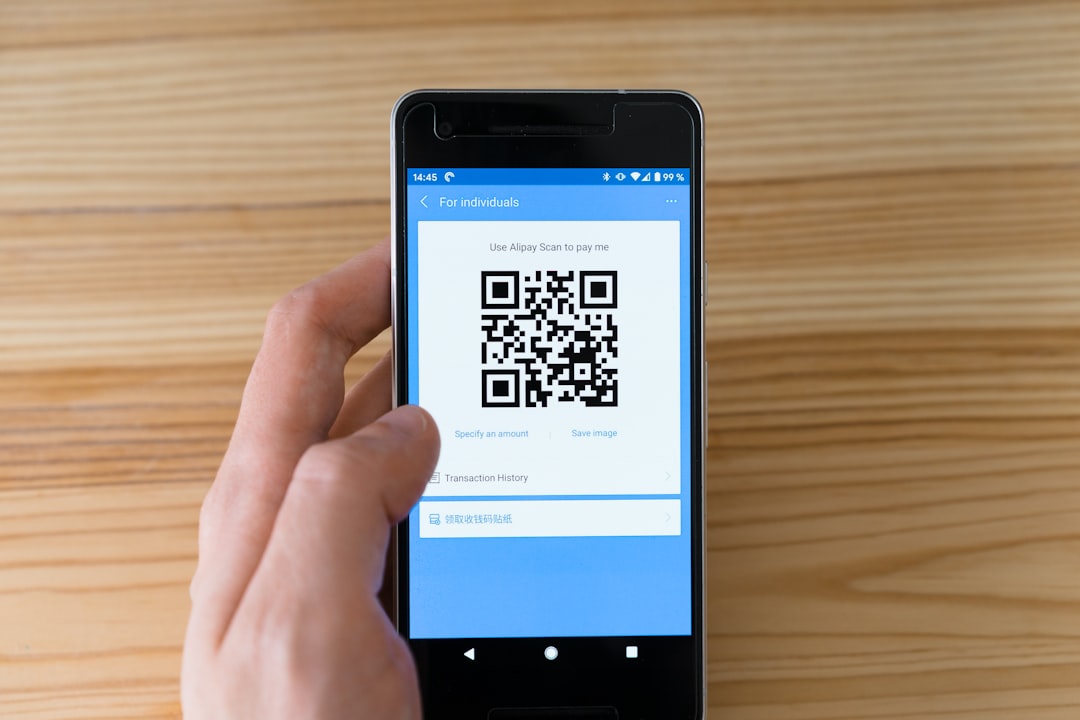
Comparison of Leading QR Code Marketing Platforms
| Platform | Dynamic Codes | Analytics Depth | Integrations | Best For | Security Level |
|---|---|---|---|---|---|
| QR Code Generator Pro | Yes | Advanced | Google Analytics | Mid-sized businesses | Strong |
| Beaconstac | Yes | Enterprise-grade | API, Ad pixels | Large enterprises | Very high |
| QR TIGER | Yes | Moderate | Basic integrations | SMBs | Standard |
| The QR Code Platform | Yes | Advanced | Custom domains | Agencies | High |
| Flowcode | Yes | Moderate to advanced | Marketing tools | Brand-focused campaigns | Strong |
Why Dynamic QR Codes Are Essential
Static QR codes link permanently to one URL. For single-use purposes, they may suffice. However, serious marketing campaigns demand flexibility. Dynamic QR codes allow businesses to:
- Change landing page destinations without reprinting materials
- Test multiple campaign variations
- Pause campaigns instantly
- Access detailed behavioral insights
This flexibility significantly reduces printing costs and increases campaign agility.
Measuring ROI Through Analytics
One of the strongest advantages of QR code platforms is measurable performance tracking. Reliable platforms provide insights such as:
- Time of scan
- User location
- Device type
- Unique vs repeat scans
- Conversion tracking
These metrics allow marketers to refine campaigns, adjust messaging, and improve placement strategies. For example, scan heat maps can reveal which retail areas generate the most engagement, allowing more strategic placement moving forward.

Integration With the Broader Marketing Stack
Modern marketing does not operate in isolation. The most effective QR platforms integrate with:
- Email marketing systems
- CRM databases
- Advertising retargeting platforms
- Automation workflows
- Data visualization tools
This integration ensures QR interactions become part of a larger customer journey rather than isolated scan events. For example, a QR code on packaging can trigger email enrollment, initiate a retargeting campaign, and log the interaction in CRM records simultaneously.
Security and Compliance Considerations
With increased QR adoption comes heightened responsibility. Businesses must ensure their chosen platform supports:
- Encrypted connections (HTTPS)
- Access management controls
- GDPR and privacy compliance
- Data storage transparency
Enterprise users, in particular, should verify SOC 2 or ISO certifications where applicable.
How to Choose the Right Platform
Selection should be guided by strategic objectives rather than feature popularity. Consider the following evaluation steps:
- Define your scale: Are you running a single promotion or managing global campaigns?
- Assess analytics requirements: Basic metrics or deep behavioral tracking?
- Evaluate integration needs: Standalone deployment or automation connectivity?
- Review security standards: Especially in regulated industries.
- Test usability: Platform complexity can impact internal adoption.
A structured trial period with defined performance criteria often provides the clearest answer.
The Strategic Role of QR Marketing Platforms
QR code adoption continues to expand across retail, healthcare, education, logistics, and events. The simplicity of scanning combined with smartphone ubiquity creates a uniquely low-friction engagement point.
Platforms that simplify QR management remove operational barriers and allow marketing teams to focus on strategy rather than logistics. They provide reliability, measurement, and control—three elements necessary for long-term success.
Ultimately, QR code marketing is no longer experimental. It is a measurable, scalable, and secure channel when supported by the right platform. Businesses that invest in professional-grade solutions position themselves to build stronger omnichannel experiences, improve customer engagement, and make offline interactions fully accountable in the digital ecosystem.
