
Who Owns Vuori? Brand Ownership Explained
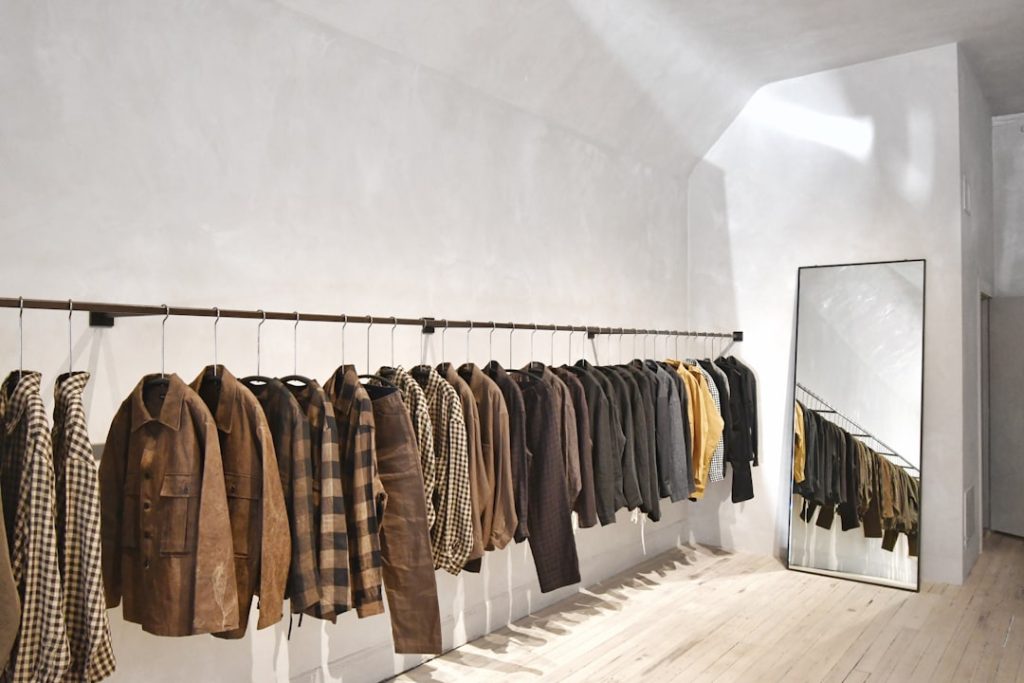
Vuori has become one of the most talked-about names in modern activewear, blending West Coast aesthetics with performance-driven design. From yoga studios to city streets, the brand’s rise has been swift and strategic. As its popularity grows, a common question follows: Who actually owns Vuori? Understanding the ownership behind the brand reveals not only who controls it, but also how it has managed such rapid growth in a competitive market.
TL;DR: Vuori is a privately held company founded by Joe Kudla in 2015. While Kudla remains closely involved and retains a significant ownership stake, major investment firms—including SoftBank Vision Fund 2—have invested heavily in the company. These strategic investments have fueled Vuori’s rapid expansion while allowing it to remain independent rather than being acquired outright. Today, Vuori operates as a high-growth private company backed by institutional investors.
The Founder: Joe Kudla’s Vision
Vuori was founded in 2015 by Joe Kudla, an entrepreneur based in Encinitas, California. Kudla’s goal was to create premium performance apparel that reflected the active, coastal California lifestyle. Unlike many athletic brands that lean heavily into performance-only messaging, Vuori sought to bridge the gap between technical activewear and everyday comfort.
At the start, Vuori was entirely founder-owned. Kudla bootstrapped the business with a small team, focusing on:
- High-quality, versatile fabrics
- Minimalist, neutral-toned designs
- Direct-to-consumer e-commerce
- Selective wholesale partnerships
This disciplined approach laid the foundation for investor interest only a few years later.
Is Vuori Public or Private?
Vuori is a privately held company. It is not publicly traded, meaning you cannot buy shares of Vuori on the stock market.
Being private gives Vuori several key advantages:
- More operational flexibility
- Long-term strategic control
- Less pressure from quarterly earnings expectations
- Controlled brand positioning
Instead of going public early, Vuori opted to raise capital through private investment rounds—bringing in major institutional investors while maintaining strategic independence.
Early Investment and Growth
As Vuori gained traction, it attracted attention from private equity firms. One of the earliest significant investors was Norwest Venture Partners, a global venture capital and growth equity investment firm.
Norwest’s involvement helped Vuori:
- Scale production capabilities
- Expand its retail footprint
- Grow international distribution
- Enhance supply chain infrastructure
This marked the transition from founder-led startup to institutionally backed growth company.
SoftBank’s Major Investment
In 2021, Vuori announced a landmark investment from SoftBank Vision Fund 2. This investment valued Vuori at approximately $4 billion—a remarkable achievement for a brand founded just six years earlier.
SoftBank’s investment was not an acquisition. Instead, it was a minority stake designed to inject capital for accelerated global expansion.
With SoftBank’s backing, Vuori aimed to:
- Double down on international market entry
- Open branded retail stores worldwide
- Strengthen digital infrastructure
- Expand into new product categories
Even after this deal, Vuori remained privately owned, with founder Joe Kudla retaining meaningful equity and leadership control.
Current Ownership Structure
While exact ownership percentages are not publicly disclosed (as is typical for private companies), the structure generally includes:
- Joe Kudla (Founder & CEO) – Significant ownership stake
- SoftBank Vision Fund 2 – Major minority investor
- Norwest Venture Partners – Institutional investor
- Other private investors and stakeholders
This means Vuori is not owned by a single corporation like Nike or Adidas. Instead, it operates under a shared private ownership model typical of high-growth consumer brands.
How Vuori’s Ownership Compares to Competitors
To better understand Vuori’s position, it helps to compare its ownership structure with other major athletic brands:
| Brand | Ownership Type | Public or Private | Key Owners |
|---|---|---|---|
| Vuori | Private, venture-backed | Private | Joe Kudla, SoftBank, Norwest |
| Lululemon | Public corporation | Public | Public shareholders |
| Gymshark | Majority private equity owned | Private | Ben Francis, General Atlantic |
| Nike | Public corporation | Public | Public shareholders |
Vuori’s structure positions it somewhere between founder-led startups and multinational public corporations. It maintains entrepreneurial agility while benefiting from institutional capital.
Why Didn’t Vuori Sell Out?
As Vuori grew, speculation emerged that larger apparel conglomerates might acquire it. Yet, instead of selling to a global apparel giant, Vuori chose to remain independent and raise capital selectively.
There are several strategic reasons for this:
- Brand Control: Maintaining creative direction is crucial in premium lifestyle branding.
- Valuation Upside: By growing independently, founders and early investors preserve long-term value.
- Cultural Integrity: Vuori’s California identity is central to its appeal.
This approach mirrors other successful brands that delayed acquisition or IPO to maximize strategic advantages.

What Role Does Joe Kudla Play Today?
Joe Kudla continues to serve as Chief Executive Officer of Vuori. Unlike some founders who step away after major funding rounds, Kudla remains deeply involved in:
- Product vision and development
- Brand storytelling
- Retail expansion strategy
- Company culture
His ongoing leadership suggests that Vuori’s identity is still strongly tied to its founder’s original values.
How Ownership Impacts Brand Direction
Ownership structure dramatically affects how a clothing brand operates. In Vuori’s case, its private, investor-backed model allows it to:
- Experiment with premium pricing
- Prioritize sustainability initiatives
- Invest heavily in retail experiences
- Avoid aggressive discount cycles common in public markets
Being private also shields Vuori from the intense quarterly pressure that public brands face, giving it room to make longer-term investments in brand equity.
Is an IPO on the Horizon?
While Vuori has not officially announced IPO plans, industry analysts often speculate about its public-market potential. With multi-billion-dollar valuations and global expansion underway, an IPO could eventually become a logical step.
However, there are compelling reasons to remain private:
- Abundant private capital availability
- Founder control preservation
- Strategic timing flexibility
Until leadership signals otherwise, Vuori appears content operating as a high-growth private company.
The Bigger Picture: What Ownership Says About the Brand
Vuori’s ownership story reflects a broader shift in the apparel industry. Rather than immediately selling to conglomerates or rushing into public markets, modern direct-to-consumer brands often:
- Raise venture funding
- Scale digitally first
- Build strong brand communities
- Expand into physical retail later
Vuori exemplifies this modern growth trajectory. Founder-led but investor-powered, it combines entrepreneurial vision with global-scale ambition.
Final Thoughts
So, who owns Vuori? The answer is both simple and layered. Vuori is privately owned, founded by Joe Kudla and backed by major institutional investors such as SoftBank Vision Fund 2 and Norwest Venture Partners. It has not been acquired by a larger conglomerate, nor is it publicly traded.
This hybrid ownership model has allowed Vuori to scale rapidly while preserving its core identity—a blend of performance wear and California lifestyle minimalism. As the brand continues to grow internationally, its investor-backed yet founder-driven structure positions it uniquely within the competitive activewear market.
Whether Vuori eventually goes public or remains private, its ownership story highlights how modern premium brands can maintain control, attract global capital, and build billion-dollar valuations—all at the same time.
