
Dynamic Discount Strategies for Cart Recovery: What Works Best?
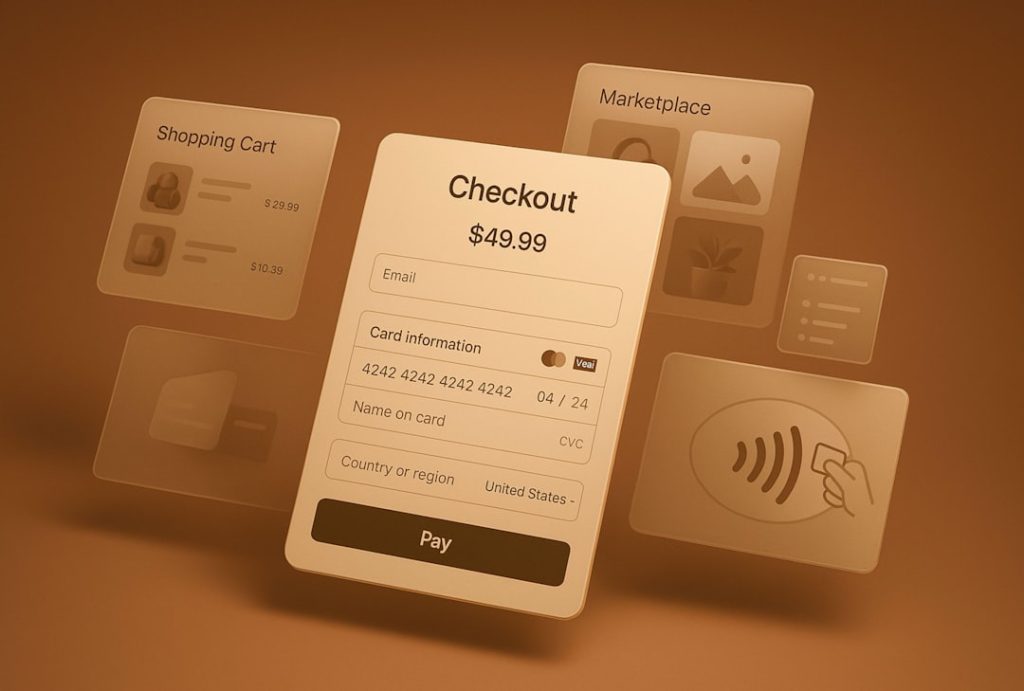
Shopping cart abandonment is one of the biggest challenges in ecommerce. Customers browse, compare, and even add products to their carts—only to leave before completing the purchase. While follow-up emails and retargeting ads help, dynamic discount strategies often play a decisive role in turning hesitation into conversion. The key is not just offering discounts, but offering the right discount at the right time.
TLDR: Dynamic discount strategies personalize incentives based on shopper behavior, timing, and cart value to recover lost sales. Fixed discounts no longer perform as well as tiered, behavior-triggered, or urgency-driven offers. The most effective strategies balance profitability with relevance and avoid training customers to expect constant price cuts. Testing and segmentation are critical to maximizing recovery without eroding margins.
In this article, we’ll explore what dynamic discount strategies are, why they work, and which approaches consistently outperform others in real-world ecommerce settings.
Why Static Discounts Are Losing Their Edge
Offering a blanket 10% off code to everyone who abandons a cart used to work. Today’s shoppers are more sophisticated. They:
- Compare prices across multiple sites
- Expect personalization
- Recognize automated discounts
- Delay purchases intentionally to trigger offers
If every abandoned cart receives the same discount within an hour, customers quickly learn to wait. This erodes profit margins and conditions repeat buyers to avoid paying full price.
Dynamic discounting solves this by adapting the offer based on customer behavior, purchase history, cart value, and timing.
What Are Dynamic Discount Strategies?
Dynamic discount strategies use data and automation to tailor incentives in real time. Instead of offering one flat discount, the system evaluates factors such as:
- Cart value
- Customer lifetime value
- Browsing behavior
- Inventory levels
- Time since abandonment
- Device used
- New vs returning customer status
The discount adjusts accordingly—or may not appear at all if the system determines that the customer is likely to purchase without it.
Top Dynamic Discount Strategies That Work
1. Tiered Cart Value Discounts
This strategy increases the incentive based on the total cart amount. Instead of offering 10% off universally, you might structure it as:
- Spend $50 → 5% off
- Spend $100 → 10% off
- Spend $200 → 15% off
Why it works:
- Encourages larger purchases
- Protects margins on low-value carts
- Feels earned rather than given away
Tiered discounting is especially effective in fashion, electronics accessories, and beauty—categories where customers often add complementary items.
2. Time-Delayed Escalation Offers
Not all abandonment is equal. Some customers get distracted; others are price-sensitive. Dynamic systems can escalate incentives over time:
- 1 hour after abandonment: Reminder email (no discount)
- 24 hours: 5% discount
- 72 hours: 10% discount + urgency message
Why it works:
- Avoids unnecessary discounting
- Captures customers who would buy without incentives
- Introduces urgency gradually
This progressive model consistently outperforms immediate blanket discounts.
3. Behavior-Based Exit Intent Offers
Exit-intent technology detects when a user is about to leave a webpage and triggers a customized offer. But instead of showing the same popup to everyone, dynamic systems evaluate:
- Number of visits
- Product price sensitivity
- Scroll depth
- Previous coupon usage
For example:
- First-time visitor → Free shipping
- Repeat visitor → 10% discount
- High-value repeat customer → Loyalty points bonus
Why it works: It intervenes at the exact moment of decision-making without over-incentivizing every shopper.

4. Personalized Discounts Based on Customer Value
Not all customers are equal in lifetime value. Offering 15% off to a loyal repeat buyer who would have purchased anyway can severely impact margins.
Dynamic systems segment customers into groups such as:
- High lifetime value customers
- New customers
- At-risk customers
- One-time bargain hunters
The incentives then adapt accordingly:
- High LTV → Early access instead of discount
- New customer → Small percentage incentive
- At-risk customer → Aggressive limited-time code
Why it works: It protects profitability while maximizing recovery probability.
5. Limited-Time Dynamic Flash Offers
Time scarcity drives action. Adding countdown timers to recovery emails or on-site offers increases conversions—especially when the discount amount adjusts based on cart value.
For example:
- “Complete your purchase in the next 30 minutes and unlock 12% off.”
Some systems even use real-time inventory data to increase urgency:
- “Only 3 left in stock. Extra 10% applied at checkout.”
Why it works: Combines loss aversion with financial incentive.
Which Strategy Performs Best?
There is no universal winner. Performance depends on:
- Industry
- Average order value
- Purchase frequency
- Customer acquisition cost
- Brand positioning
However, studies and ecommerce testing patterns suggest the strongest results usually come from:
Time-delayed escalation combined with segmentation.
This approach prevents unnecessary discounting while still recovering price-sensitive buyers.
Common Mistakes to Avoid
1. Over-Discounting
If every abandoned cart triggers 15% off, customers will intentionally wait. This conditions destructive pricing behavior.
2. Ignoring Data Segmentation
New visitors and loyal customers should not see identical offers.
3. Relying Only on Percentage Discounts
Sometimes free shipping or bonus gifts outperform percentage reductions, especially in lower-margin industries.
4. Forgetting Mobile Optimization
A significant share of abandoned carts happens on mobile. Offers must be frictionless and optimized for smaller screens.
Discount Types Compared
| Strategy | Best For | Margin Impact | Conversion Boost Potential | Risk of Conditioning Customers |
|---|---|---|---|---|
| Flat 10% Discount | Quick implementation | High | Moderate | High |
| Tiered Cart Discounts | Increasing AOV | Moderate | High | Medium |
| Time-Delayed Escalation | Margin protection | Low to Moderate | Very High | Low |
| Behavior-Based Exit Offers | High traffic stores | Low | High | Medium |
| LTV-Based Personalization | Established brands | Low | Very High | Low |
How to Implement a Winning Strategy
To deploy a dynamic discount system effectively:
- Audit your margins. Know your real flexibility.
- Segment your audience. At minimum: new vs returning, high vs low value.
- Create escalation rules. Reward hesitation strategically.
- A/B test everything. Even small changes affect profitability.
- Track net revenue impact. Measure incremental gain, not just conversion rate.
The goal is not simply to increase recovered checkouts—it’s to increase profitable recovered checkouts.
The Psychology Behind Why Dynamic Discounts Work
Dynamic discount strategies succeed because they align with key psychological triggers:
- Loss aversion: Fear of missing out on savings
- Urgency: Time-bound decisions drive action
- Personal relevance: Custom offers feel exclusive
- Commitment bias: Once items are in the cart, the shopper has mentally committed
When these triggers combine with tailored incentives, abandonment rates can drop significantly.
Final Thoughts
Cart abandonment isn’t just a problem—it’s an opportunity. Every abandoned cart represents a shopper who was close to buying. Static discounts are no longer sufficient in a data-driven ecommerce environment. Dynamic discount strategies allow merchants to recover revenue intelligently without sacrificing margins unnecessarily.
The most successful brands view discounting as a precision tool rather than a blunt instrument. By combining segmentation, timing, escalation logic, and personalization, businesses can transform abandoned carts into profitable conversions—while maintaining brand value and customer trust.
In the end, what works best isn’t simply the biggest discount—it’s the smartest one.
