
External Barriers to Learning: Common Challenges and How to Overcome Them

Learning rarely happens in a vacuum. While motivation, study habits, and confidence matter, many learners struggle because of external barriers—conditions outside the individual that make education harder to access, sustain, or enjoy. These barriers can appear at school, at work, at home, or in the wider community, and they often affect learners unevenly depending on income, location, support systems, and available resources.
TLDR: External barriers to learning are obstacles outside a learner’s control, such as financial pressure, limited technology, transportation issues, unsafe environments, or lack of support. These challenges can reduce attendance, focus, participation, and long-term progress. Overcoming them requires practical solutions from families, educators, employers, and communities, including flexible learning options, better access to resources, and supportive policies.
What Are External Barriers to Learning?
External barriers to learning are challenges that come from a learner’s surroundings rather than from their personal ability or willingness to learn. A student may be highly motivated but unable to attend class regularly because of transportation problems. An adult learner may want to complete a certification but struggle due to childcare responsibilities or an unpredictable work schedule.
These barriers are important because they often create a false impression. A learner who misses deadlines may be seen as careless, when the real issue is unstable housing or lack of internet access. Understanding these obstacles helps schools, organizations, and communities respond with empathy and effective support rather than blame.
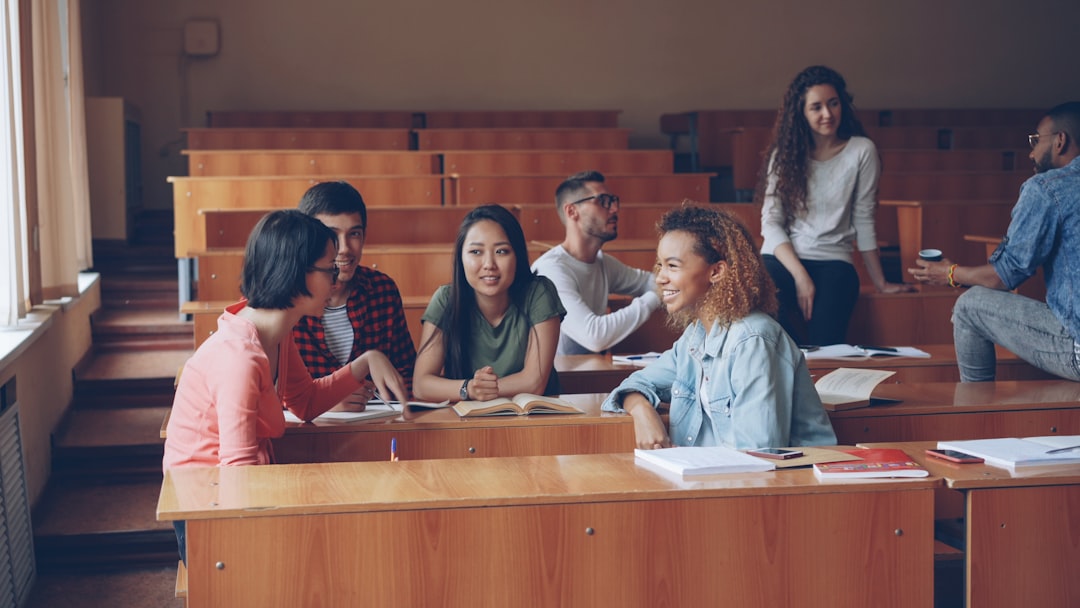
Common External Barriers to Learning
1. Financial Limitations
Money is one of the most common obstacles to education. Tuition fees, textbooks, devices, transportation, uniforms, exam costs, and even meals can become major burdens. For some families, education competes with basic needs such as rent, food, and healthcare.
Financial pressure can also force learners into part-time or full-time work, reducing the time and energy available for study. In adult education, this barrier is especially visible when learners must choose between earning income and attending training.
How to overcome it: Institutions can offer scholarships, loan programs, free learning materials, and meal support. Communities can create donation drives for books, devices, and supplies. Employers can support staff development through paid training time or tuition assistance.
2. Limited Access to Technology
Digital learning has made education more flexible, but it has also created new gaps. Learners without reliable internet, updated devices, or basic digital skills may fall behind quickly. A shared family computer, weak mobile signal, or expensive data plan can make online assignments nearly impossible.
How to overcome it: Schools and training providers can lend laptops or tablets, provide offline resources, and create low-bandwidth learning materials. Public libraries, community centers, and local organizations can offer free internet access and digital literacy workshops. Teachers can also avoid assuming that every learner has constant online access.
3. Transportation and Location Challenges
Geography can strongly influence learning. Learners in rural areas may live far from schools, colleges, libraries, or training centers. In cities, long commutes, unreliable public transport, or high travel costs can reduce attendance and punctuality.
Transportation barriers are not only inconvenient; they also affect safety and wellbeing. A learner who must travel through unsafe areas or leave home very early may experience stress before lessons even begin.
How to overcome it: Flexible schedules, hybrid learning, transport subsidies, and community-based classes can help. Institutions can also coordinate carpool systems, shuttle routes, or partnerships with local transport providers.
Image not found in postmeta4. Family Responsibilities
Many learners balance education with caregiving. Older students may help care for siblings, children, elderly relatives, or family members with disabilities. These responsibilities can interrupt study time, reduce sleep, and make consistent attendance difficult.
This barrier is especially common among adult learners and students from households where everyone is expected to contribute. In some cases, cultural expectations may place additional pressure on certain family members to prioritize caregiving over education.
How to overcome it: Learning programs can provide flexible deadlines, recorded lessons, childcare support, and evening or weekend classes. Educators can communicate clearly and early about schedules so families can plan. Community childcare cooperatives may also reduce the burden on individual households.
5. Unsupportive or Stressful Home Environments
A learner’s home environment can either support or weaken learning. Noise, overcrowding, conflict, lack of privacy, or unstable housing can make concentration difficult. Some learners may not have a quiet place to study, while others may face emotional stress that affects memory, attention, and motivation.
How to overcome it: Schools and community organizations can offer supervised study spaces, mentoring, counselling referrals, and after-school programs. Libraries and learning hubs can provide calm environments for focused work. Educators can also be trained to recognize signs of stress and respond appropriately.
6. Language and Cultural Barriers
Learners who study in a second language may understand concepts but struggle to express their knowledge. Cultural differences can also affect classroom participation, communication styles, and expectations around asking questions or disagreeing with instructors.
When learning materials do not reflect diverse backgrounds, some learners may feel excluded or misunderstood. This can reduce confidence and participation, even when academic ability is strong.
How to overcome it: Institutions can provide language support, translated materials, bilingual assistance, and culturally responsive teaching. Educators can use clear language, visual aids, examples from different cultures, and respectful discussion practices.
7. Health, Disability, and Accessibility Issues
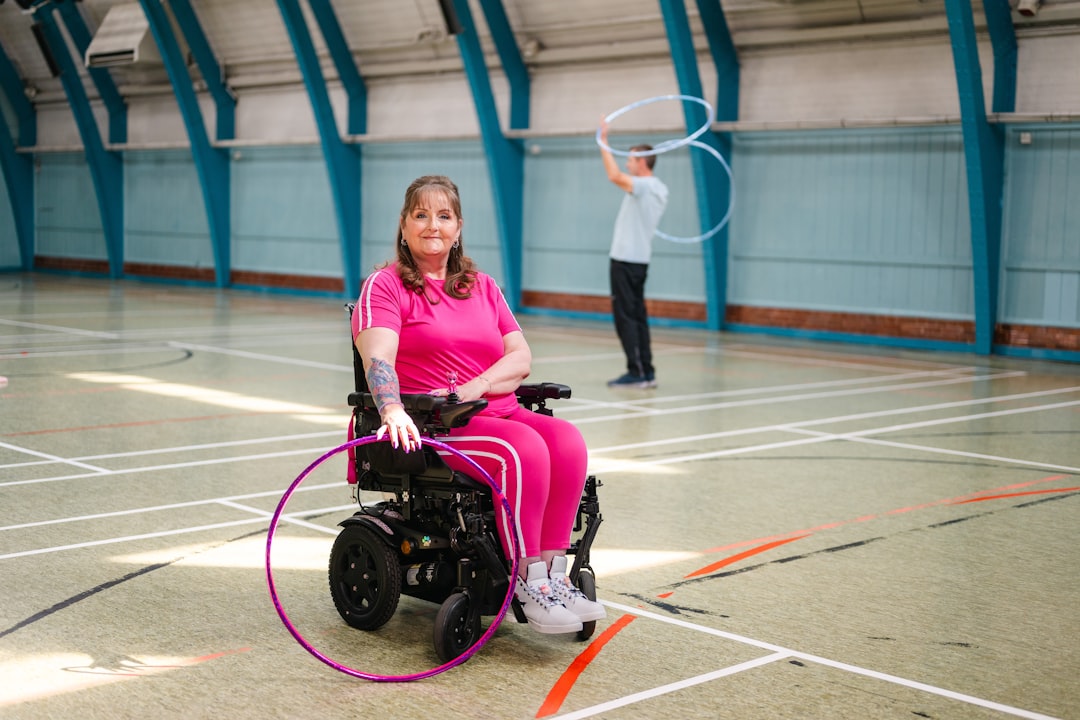
Physical health conditions, disabilities, mental health challenges, and chronic illness can become external barriers when learning environments are not accessible. A learner may face difficulty entering a building, reading materials, hearing instruction, or keeping pace with rigid schedules.
How to overcome it: Accessibility should be planned from the beginning, not treated as an afterthought. This includes ramps, captions, screen-reader-friendly materials, flexible attendance policies, assistive technologies, and trained support staff. When learners receive the right accommodations, they are more likely to demonstrate their true abilities.
8. Lack of Institutional Support
Sometimes the barrier is not the learner’s situation but the system around them. Poor communication, unclear expectations, limited academic advising, and inflexible rules can make learning unnecessarily difficult. Learners may not know where to find help or may feel embarrassed to ask.
How to overcome it: Institutions can simplify access to support services, provide clear guidance, and check in with learners regularly. Early warning systems can identify attendance or performance issues before they become serious. A supportive culture encourages learners to seek help without fear of judgment.
Why External Barriers Must Be Addressed
External barriers do more than interrupt lessons. They can affect self-esteem, career opportunities, social mobility, and long-term wellbeing. When learners repeatedly encounter obstacles, they may conclude that education is not meant for them, even when they are capable of success.
Addressing these barriers benefits everyone. Schools see better attendance and completion rates. Employers gain more skilled workers. Communities become more informed, adaptable, and resilient. Most importantly, learners gain a fairer chance to develop their potential.
Practical Strategies for Educators and Organizations
- Conduct needs assessments: Regular surveys and conversations can reveal hidden barriers before they cause dropout or failure.
- Offer flexible learning models: Hybrid classes, recorded sessions, and varied deadlines can support learners with complex lives.
- Create resource networks: Partnerships with libraries, charities, transport services, and health providers can expand available help.
- Train staff in empathy and inclusion: Educators who understand external barriers are better prepared to respond constructively.
- Reduce unnecessary costs: Open educational resources, shared equipment, and digital alternatives can make learning more affordable.
The Role of the Community
Overcoming external barriers is not only the responsibility of schools or learners. Families, employers, local governments, nonprofits, and community members all play a part. A community that values education can provide safe study spaces, mentorship, funding, transport solutions, and emotional encouragement.
Learning becomes more inclusive when support is shared. Instead of expecting learners to overcome every obstacle alone, communities can build systems that make education more reachable for everyone.
Conclusion
External barriers to learning are often practical, visible, and solvable, but only when they are recognized. Financial hardship, technology gaps, transportation problems, family duties, inaccessible environments, and lack of support can all limit educational success. By responding with flexibility, resources, and understanding, educators and communities can remove many of these obstacles and create conditions where more learners can thrive.
FAQ
What is an external barrier to learning?
An external barrier to learning is an obstacle outside the learner’s personal ability or motivation, such as lack of money, transportation, technology, childcare, or institutional support.
How do external barriers affect students?
They can reduce attendance, concentration, participation, assignment completion, and confidence. Over time, they may increase the risk of falling behind or leaving education entirely.
Are external barriers the same for all learners?
No. Barriers vary depending on age, income, location, family responsibilities, health, disability, language, and access to support systems.
What can schools do to reduce external barriers?
Schools can provide flexible schedules, financial support, technology access, counselling, accessible materials, transport assistance, and clear communication about available services.
Why is flexibility important in learning?
Flexibility allows learners with work, caregiving, health, or transportation challenges to continue their education without being unfairly penalized for circumstances outside their control.
