
Consumer Packaged Goods Marketing Strategies That Work
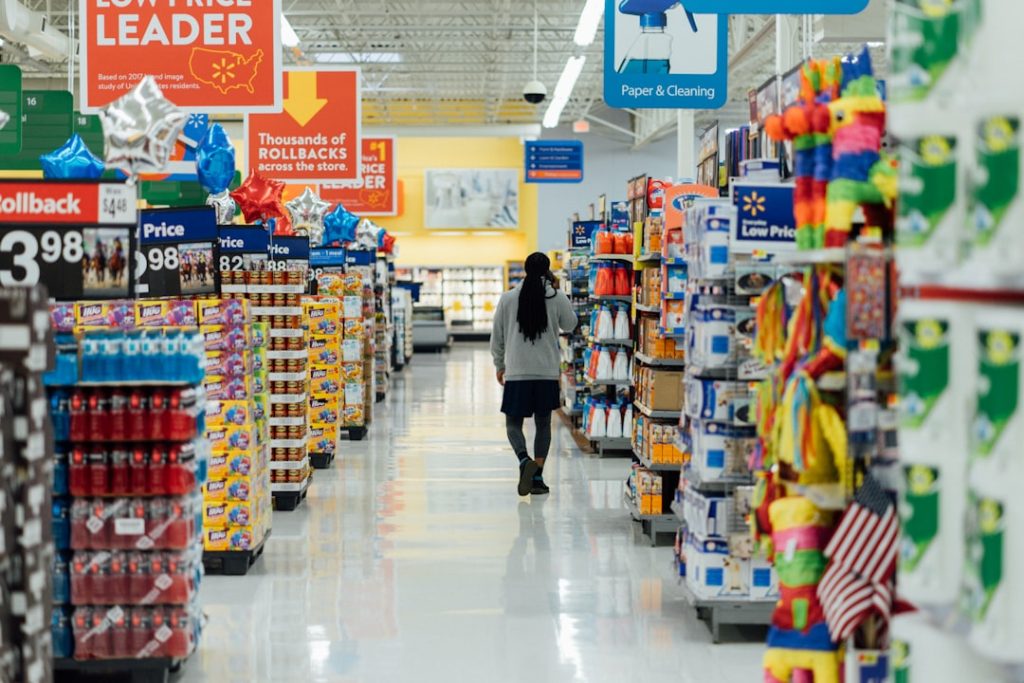
Walk into any store and you are surrounded by tiny battles. Cereal boxes wink at you. Soap bottles promise a better life. Chips whisper, “Take me home.” That is the world of consumer packaged goods, or CPG. These are the everyday products people buy often, like snacks, drinks, shampoo, toothpaste, cleaning products, and pet food.
TLDR: Great CPG marketing is simple, clear, and easy to remember. Brands win when they understand the customer, show up in the right places, and make buying feel effortless. Strong packaging, smart pricing, social proof, and repeat purchase strategies matter a lot. The best brands do not just sell products; they build habits.
Start With One Clear Promise
People are busy. They do not want to solve a riddle in the grocery aisle. Your product needs one clear promise.
Not five promises. Not a paragraph. One.
For example:
- “Whiter teeth in 7 days.”
- “A crunchy snack with less sugar.”
- “Laundry that smells fresh for weeks.”
- “Coffee shop taste at home.”
A strong promise helps shoppers make a fast choice. It also helps your ads, packaging, and social posts feel connected. If your message is clear, people remember it. If they remember it, they may buy it.
Know the Real Customer Problem
Good CPG marketing does not start with the product. It starts with the person.
Ask simple questions:
- What is annoying about their current option?
- What do they wish was easier?
- What do they feel guilty about?
- What do they want to show others?
- What makes them buy again?
A parent may not just want cereal. They may want a breakfast that is fast, not messy, and not a sugar bomb. A dog owner may not just want treats. They may want to feel like a wonderful pet parent.
When you understand the emotion behind the purchase, your marketing gets sharper. You stop shouting features. You start speaking human.
Make Packaging Do the Heavy Lifting
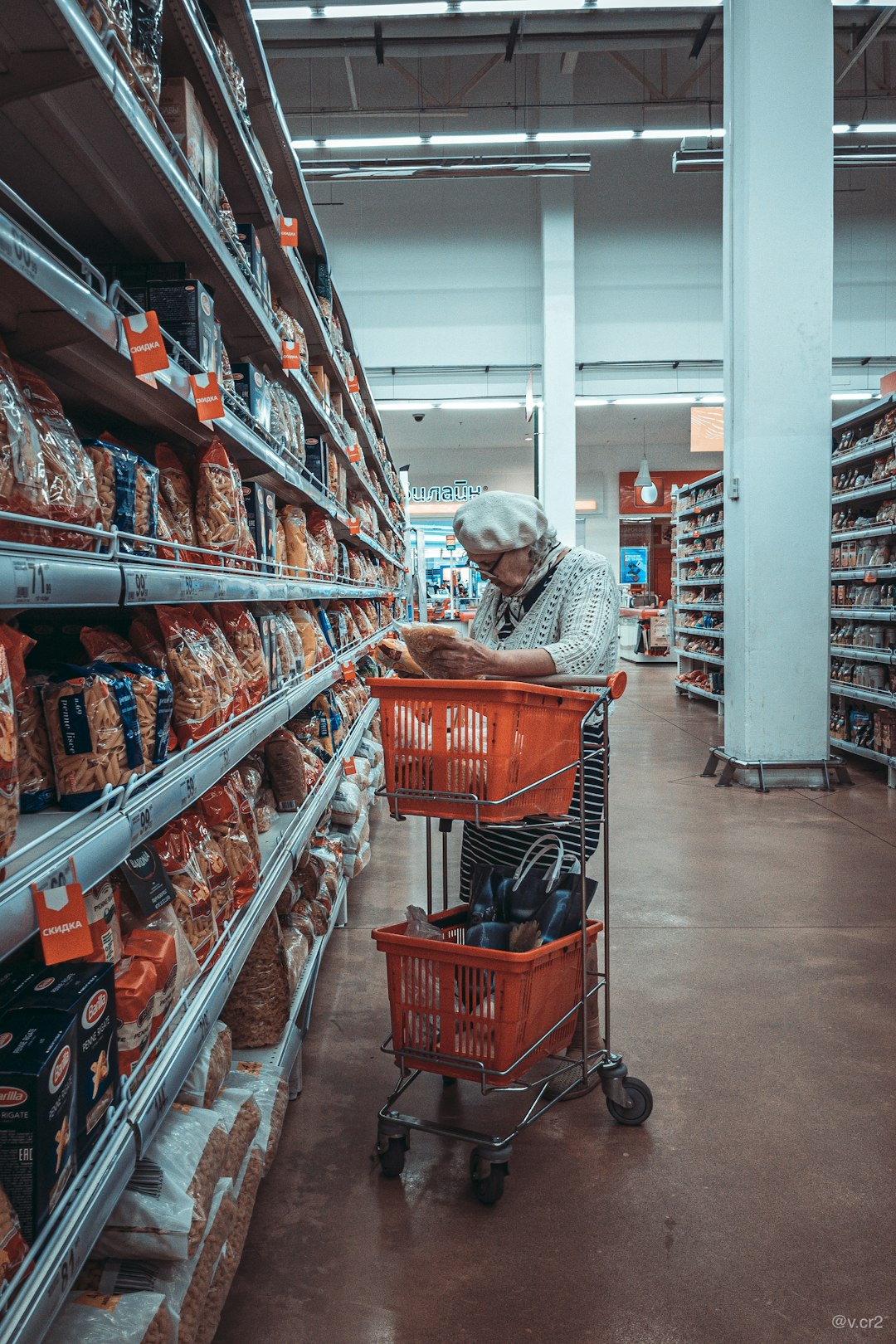
Packaging is your tiny billboard. It works even when no ad is running. It sits on the shelf and says, “Pick me.”
Strong packaging should:
- Show the main benefit fast.
- Use colors that fit the product mood.
- Make the product name easy to read.
- Stand out from nearby competitors.
- Look good in photos and videos.
Do not make shoppers work too hard. If the product is spicy, let the pack feel bold. If it is natural, let it feel clean. If it is fun for kids, let it look playful.
Also, think about the “second shelf.” That is the kitchen counter, bathroom sink, gym bag, or desk drawer. If people like seeing your product in their home, they may share it. They may also buy it again.
Win With Sampling
Sampling is one of the oldest CPG tricks. It still works because people love free stuff. More important, they love proof.
A sample turns a claim into an experience. A shopper can taste the cookie. Smell the lotion. Feel the fabric softener. Try the energy drink.
Sampling can happen in many places:
- Inside stores
- At events
- Through delivery boxes
- In online orders
- With influencer mailers
- At offices, gyms, and campuses
Keep it simple. Give people the product, explain the benefit, and offer a reason to buy now. A coupon helps. A QR code helps. A limited offer helps too.
Use Social Proof Like a Megaphone
People trust people. That is why reviews, ratings, testimonials, and user content are so powerful.
If a shopper sees that thousands of people love your granola, they feel safer buying it. If a friend posts your new sparkling drink, it feels more real than an ad. If a creator uses your shampoo in a daily routine video, it becomes part of a lifestyle.
Simple ways to build social proof include:
- Show reviews on product pages.
- Share customer photos.
- Use quotes in ads.
- Work with small creators.
- Ask happy customers to post.
- Feature ratings on packaging when possible.
You do not always need a celebrity. In fact, smaller creators can feel more honest. Their audiences are often more engaged. Their content may also feel less polished, which can be a good thing.
Be Easy to Find
A great product cannot win if people cannot find it. This sounds obvious. Many brands still miss it.
CPG shoppers move across many places. They shop in supermarkets, drugstores, convenience stores, big box stores, online marketplaces, and brand websites. Your job is to reduce friction.
Use clear store locators. Keep online listings updated. Make product photos clean. Use search terms people actually type. If someone searches “low sugar protein bar,” your product page should not only say “performance nutrition rectangle.” Be normal. Be searchable.
Also make sure your product has strong shelf placement when possible. Eye level matters. End caps matter. Checkout displays matter. A small change in location can mean a big change in sales.
Create a Reason to Buy Now
CPG products are often low risk. That is good. But it also means people can delay the purchase. They may think, “Maybe next time.”
Give them a little push.
Useful triggers include:
- Limited flavors, like pumpkin spice or mango lime.
- Seasonal bundles, like back to school packs.
- Intro offers for first time buyers.
- Coupons at the shelf or online.
- Bonus sizes for a short time.
- Loyalty points for repeat purchases.
Urgency should feel fun, not fake. If every offer is “limited,” people stop believing you. Use this strategy carefully.
Build Habits, Not Just Sales
The magic of CPG is repeat buying. A customer may buy toothpaste every month, coffee every week, and snacks every few days. One sale is nice. A habit is gold.
To build habits, connect your product to a routine.
- Morning coffee
- Lunchbox snack
- Post workout drink
- Sunday cleaning
- Bedtime skincare
- Movie night treat
Show the routine in your marketing. Do not just show the product floating in space. Show a real moment. A tired person making coffee. A family packing lunches. A dog getting a treat after a walk.
The more your product fits into daily life, the harder it is to replace.
Use Data, But Do Not Be Boring
Data helps you see what is working. It shows where people buy, when they buy, and what makes them come back. It can also show which ads are wasting money.
Track useful things like:
- Repeat purchase rate
- Customer reviews
- Coupon redemption
- Sales by store
- Online search terms
- Ad performance
- Product returns or complaints
But remember this: data tells you what happened. Creativity helps you decide what to do next. The best CPG brands use both. They test, learn, improve, and test again.

Tell a Brand Story People Can Repeat
A strong brand story does not need to be long. It just needs to be repeatable.
Maybe your brand was made by a busy mom. Maybe it uses fewer ingredients. Maybe it helps reduce waste. Maybe it brings a bold flavor from a family recipe.
Your story should answer:
- Why does this product exist?
- Who is it for?
- What makes it different?
- Why should anyone care?
When people can repeat your story, they can spread it. That is powerful. Shoppers do not share boring facts. They share simple stories that make them feel something.
Make Marketing Feel Like Entertainment
CPG does not have to be dull. A bottle of hot sauce can be hilarious. A soap brand can be charming. A snack brand can be weird in the best way.
Fun helps people remember you. Short videos, taste tests, challenges, memes, recipes, and behind the scenes clips can all work well. The key is to stay true to the brand. Do not chase every trend. Pick the ones that fit.
If your audience laughs, learns, or says, “That is so me,” you are doing something right.
Final Bite
Consumer packaged goods marketing is not about yelling the loudest. It is about being clear, useful, and memorable. Make the promise simple. Make the pack pop. Let people try the product. Show proof. Be easy to find. Then turn one purchase into a habit.
The aisle is crowded. The internet is noisy. But smart CPG brands can still win. They win by making life easier, tastier, cleaner, fresher, or more fun. And that is something people will always buy.
