
Shopify vs Website Builders: Which Is Better for Online Stores?

Choosing the right platform for an online store can shape how quickly a business launches, how easily it grows, and how much control it has over design, payments, marketing, and operations. For many retailers, the decision comes down to Shopify versus general website builders such as Wix, Squarespace, GoDaddy, or similar all-in-one site creation platforms. Both options can support ecommerce, but they are built with different priorities in mind.
TLDR: Shopify is usually the better choice for businesses that are serious about selling online, scaling inventory, managing orders, and using ecommerce-focused tools. Website builders can be ideal for smaller shops, service providers, portfolios, or brands that only need simple selling features alongside a content-heavy website. The best choice depends on business goals, budget, technical comfort, and how important advanced ecommerce features are. For long-term online retail growth, Shopify tends to offer the stronger foundation.
Understanding the Core Difference
Shopify is a dedicated ecommerce platform. Its main purpose is to help businesses create, manage, and grow online stores. From product pages and checkout to inventory, shipping, taxes, discounts, abandoned cart recovery, and integrations, Shopify is built around selling.
Website builders, on the other hand, are broader tools. They are designed to help users create websites without coding. Many include ecommerce features, but selling online is often just one part of the platform rather than the central focus. A restaurant, consultant, photographer, blogger, or local business may use a website builder to create a polished site and add a small shop section when needed.
This difference matters because an online store is not just a collection of product pages. It involves payments, logistics, customer communication, promotions, reporting, and ongoing maintenance. A platform that is designed specifically for ecommerce can reduce friction as the store becomes more complex.

Ease of Use and Setup
Both Shopify and modern website builders are made for non-technical users. A store owner does not need to be a developer to launch with either option. However, their setup experiences feel different.
Shopify guides users through ecommerce-specific steps from the beginning. It encourages them to add products, configure shipping, connect payments, set tax rules, and choose sales channels. This structure is useful for store owners who want a clear path to selling.
Website builders often begin with design. The user may select a template, arrange sections, add pages, and then enable ecommerce features later. This can feel more flexible and visually intuitive, especially for people who care deeply about creative layout. However, ecommerce configuration may feel less central or less advanced depending on the builder.
In simple terms: Shopify is easier for building a store, while website builders can be easier for building a general website with a store attached.
Design Flexibility and Branding
Website builders are often praised for design freedom. Many offer drag-and-drop editors, stylish templates, and simple visual controls. They are appealing to businesses that want strong control over page layouts, image placement, text blocks, galleries, and brand storytelling.
Shopify also offers many professional themes, including free and premium options. Its theme editor is user-friendly, and many themes are optimized for conversions. However, Shopify’s design system is usually more structured. This structure helps maintain reliable product pages and checkout flows, but some users may find it less freeform than a typical website builder.
For brands with unique content needs, such as artists, coaches, restaurants, or event businesses, a website builder may feel more natural. For stores that depend on product discovery, filtering, collections, and optimized checkout, Shopify’s design approach often performs better.
- Shopify design strength: ecommerce-ready themes, product-focused layouts, conversion-friendly structure.
- Website builder design strength: flexible page creation, visual storytelling, simple drag-and-drop editing.
Ecommerce Features
This is where Shopify usually stands out. Because it is built for ecommerce, it includes many tools that online retailers need as they grow. These include product variants, discount codes, inventory tracking, order management, abandoned checkout recovery, gift cards, customer accounts, analytics, and multi-channel selling.
Many website builders include ecommerce features, but the depth can vary significantly. A small store selling a few physical or digital products may find these features sufficient. However, limitations may appear when the business needs advanced shipping rules, large product catalogs, complex variants, international selling, or deeper reporting.
Shopify also supports a large app ecosystem. Store owners can add loyalty programs, subscriptions, product reviews, wholesale tools, upsells, email marketing connections, print-on-demand services, and more. Website builders may offer app marketplaces too, but they are often smaller or less ecommerce-specific.
For a business that expects ecommerce to become its main revenue channel, feature depth should be a major deciding factor.
Payments and Checkout
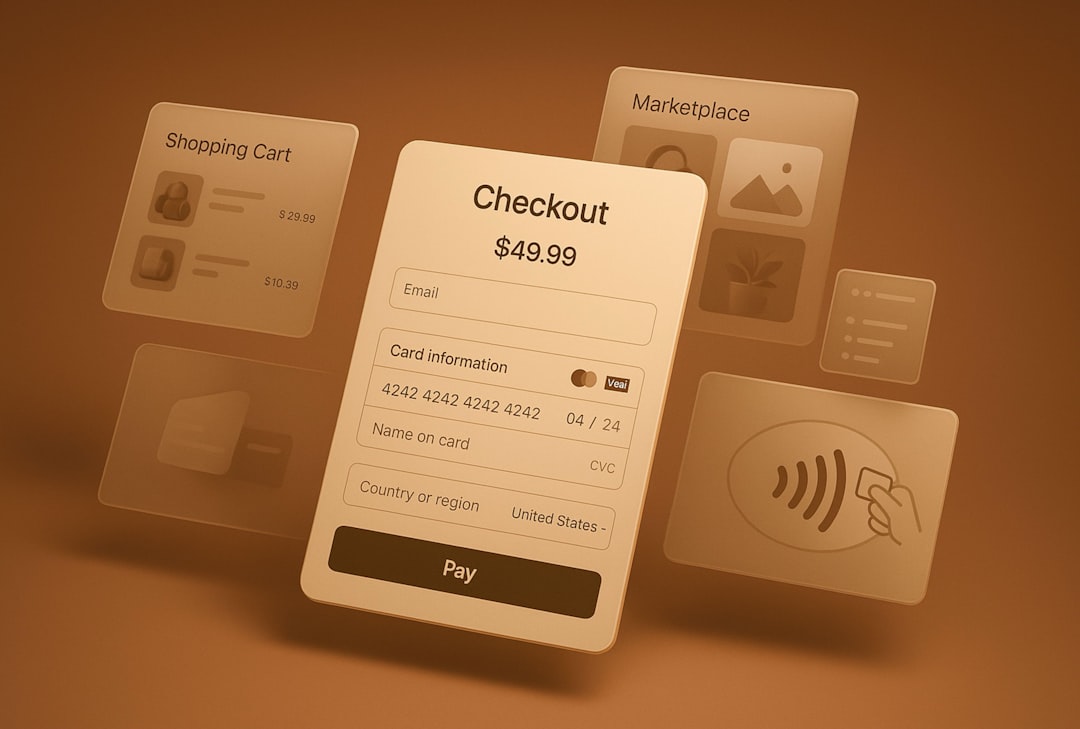
Checkout quality has a direct impact on sales. A slow, confusing, or limited checkout can cause customers to abandon their carts. Shopify has invested heavily in checkout performance and reliability. It supports numerous payment options, depending on country and configuration, and its checkout is familiar to many online shoppers.
Website builders also provide payment capabilities, often through popular processors. For simple sales, this may work very well. However, Shopify’s checkout is generally more mature for ecommerce operations, especially when stores need discount logic, shipping calculations, payment flexibility, and integrations with marketing tools.
One important consideration is transaction fees. Shopify may charge additional transaction fees if a store uses third-party payment providers instead of its native payment system, depending on the plan and region. Website builders also have different payment and ecommerce plan structures, so businesses should compare not only monthly pricing but also processing costs, transaction fees, and feature availability.
Pricing and Overall Value
At first glance, website builders may seem more affordable. Many offer low-cost plans for basic websites, and ecommerce plans can be budget-friendly for small businesses. For a company selling only a handful of products, this may represent good value.
Shopify plans are usually priced with ecommerce businesses in mind. The monthly cost may be higher than some website builder plans, especially after adding premium themes or paid apps. However, Shopify can provide better value when ecommerce features reduce manual work, improve conversion rates, or support growth without requiring a platform change.
The true cost of a platform is not only the subscription fee. Businesses should also consider:
- Payment processing fees and possible transaction fees.
- Theme or template costs for a professional look.
- Apps and extensions needed for marketing, reviews, subscriptions, or shipping.
- Time spent managing orders and fixing limitations.
- Migration costs if the business outgrows the platform.
A cheaper platform can become expensive if it limits growth or requires workarounds. Conversely, Shopify may be more than a beginner needs if the store is very small and unlikely to expand.
SEO and Marketing
Both Shopify and website builders offer basic SEO tools, such as editable titles, meta descriptions, image alt text, friendly URLs, and blog functionality. For many small businesses, either option can support a solid search presence if the content and site structure are well planned.
Website builders can be strong for content-heavy brands because they often make it easy to create landing pages, service pages, portfolios, and blog posts. This can help businesses that rely on storytelling, local search, or educational content.
Shopify is strong for product-focused SEO. It organizes products, collections, and categories in a way that supports ecommerce search visibility. Its marketing integrations are also extensive, including email tools, social commerce, advertising platforms, analytics, and customer segmentation options.
For stores that depend heavily on product marketing, retargeting, email automation, and multi-channel sales, Shopify often has the advantage. For brands where ecommerce is secondary to content, a website builder may be more comfortable.
Scalability and Growth
A store with five products has very different needs from a store with five thousand. Scalability is one of Shopify’s biggest strengths. It can support growing catalogs, increasing traffic, multiple staff accounts, international markets, point-of-sale systems, and complex app stacks.
Website builders can be excellent for small and medium websites, but some may become restrictive as ecommerce operations expand. Larger catalogs may be harder to manage, checkout customization may be limited, and integrations may not support advanced workflows.
Businesses should think beyond launch day. If the goal is to test a small product idea, a website builder may be enough. If the goal is to build a serious retail operation, Shopify is usually the safer long-term choice.
Support, Security, and Reliability
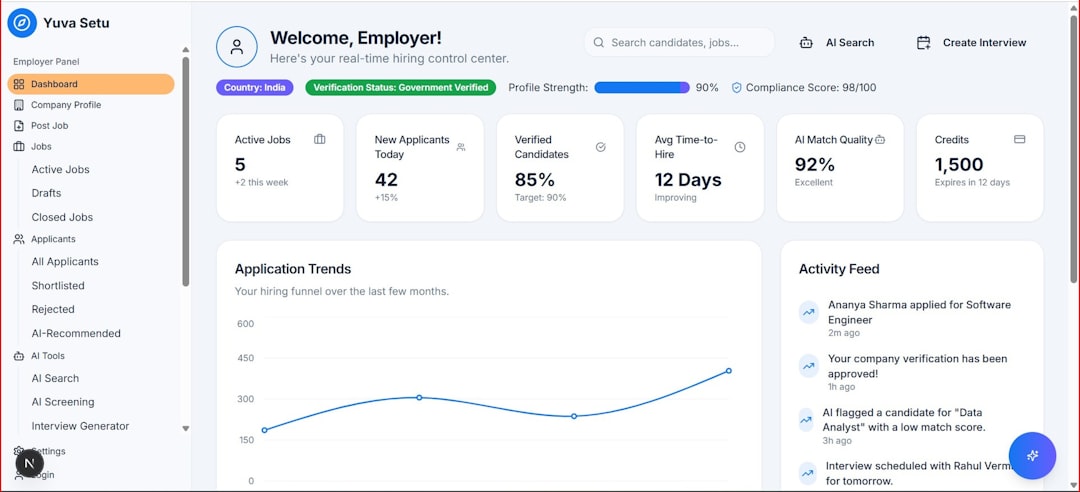
Both Shopify and reputable website builders handle hosting, security updates, and technical infrastructure. This is a major advantage over self-hosted solutions because store owners do not need to manage servers or software patches.
Shopify provides strong ecommerce support and documentation, along with a large community of developers, agencies, and app providers. Because many professionals specialize in Shopify, finding help for custom work is usually straightforward.
Website builders also offer support, tutorials, and customer service. They may be simpler for basic website questions, but ecommerce-specific troubleshooting can depend on the platform’s depth and support quality.
Which Option Is Better?
There is no single answer for every business, but the decision becomes clearer when the store’s purpose is understood.
Shopify is generally better for:
- Businesses that primarily sell products online.
- Stores with plans to scale inventory, traffic, or revenue.
- Retailers needing advanced shipping, payments, and order management.
- Brands that want access to a large ecommerce app ecosystem.
- Businesses selling across multiple channels, including social platforms and physical locations.
Website builders are generally better for:
- Small businesses that need a beautiful website first and a shop second.
- Creators, consultants, restaurants, or service providers selling a limited number of items.
- Users who prioritize simple drag-and-drop design control.
- Brands with smaller budgets and basic ecommerce needs.
- Content-heavy websites where products are not the main focus.
Final Verdict
For most serious online stores, Shopify is the stronger ecommerce platform. It offers deeper selling tools, better scalability, a powerful app marketplace, and a checkout experience designed for conversion. It is especially suitable for businesses that view ecommerce as a central part of their revenue strategy.
Website builders remain valuable for simpler needs. They are approachable, visually flexible, and often cost-effective for businesses that want a professional website with light selling features. A website builder may be the right choice when design freedom and content presentation matter more than advanced ecommerce operations.
Ultimately, the better platform is the one that matches the business model. If a company is building a store, Shopify is usually the better fit. If it is building a website that happens to sell a few products, a website builder can be perfectly practical.
FAQ
Is Shopify better than website builders for ecommerce?
Yes, Shopify is usually better for ecommerce because it is designed specifically for online selling. It offers stronger tools for inventory, checkout, shipping, payments, analytics, and growth.
Can a website builder be used for an online store?
Yes. Many website builders include ecommerce features and can support small stores. They are best for businesses with simple product catalogs and basic selling needs.
Which option is cheaper?
Website builders often have lower starting prices, but the best value depends on required features, payment fees, apps, and growth plans. Shopify may cost more but can provide better long-term value for serious stores.
Is Shopify difficult to use?
No. Shopify is designed for non-technical users. It may take time to understand ecommerce settings, but its dashboard is structured around store management and online selling.
Which platform is better for SEO?
Both can support SEO. Website builders may be convenient for content-heavy sites, while Shopify is strong for product and collection-based SEO. Success depends more on content quality, site structure, speed, and optimization than on the platform alone.
Should a business start with a website builder and move to Shopify later?
That can work for very small businesses testing an idea. However, if the business expects to grow into a full online store, starting with Shopify may prevent migration challenges later.
