
Android Phones With eSIM: Complete Guide
Android phones with eSIM technology are transforming the way users connect to mobile networks. Instead of relying solely on a physical SIM card, eSIM (embedded SIM) allows users to activate a cellular plan digitally, offering greater flexibility, convenience, and global compatibility. As more manufacturers adopt this technology, understanding how eSIM works and which Android devices support it has become increasingly important.
TLDR: Android phones with eSIM allow users to activate cellular plans without a physical SIM card. This makes switching carriers, traveling internationally, and managing multiple numbers easier than ever. Many flagship and mid-range Android devices now support eSIM. While compatibility and carrier support vary, eSIM is quickly becoming a standard feature in modern smartphones.
What Is eSIM and How Does It Work?
An eSIM (embedded Subscriber Identity Module) is a small chip built directly into a smartphone’s motherboard. Unlike a traditional SIM card that must be inserted or replaced physically, an eSIM can be programmed remotely by a mobile carrier.
When a user signs up for a mobile plan, the carrier provides a QR code or activation details. By scanning the code through the phone’s settings, the eSIM downloads the necessary information and connects to the network instantly.
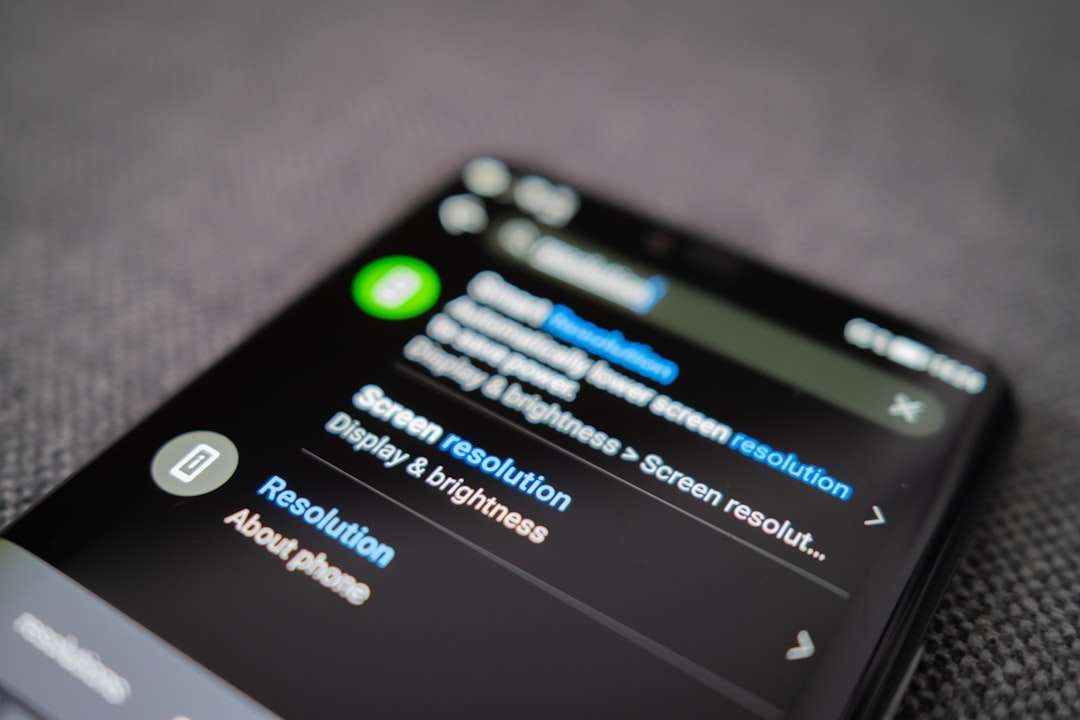
This technology eliminates the need for physical SIM swapping and enables multiple profiles to be stored on a single device. While only one profile may be active at a time (depending on the phone model), users can switch between them easily in the settings.
Benefits of Android Phones With eSIM
Android phones with eSIM support offer several key advantages:
- Convenience: No need to visit a store or wait for a SIM card to arrive.
- Dual SIM functionality: Many devices allow physical SIM + eSIM simultaneously.
- Ideal for travel: Easily activate local international plans.
- Better durability: Fewer physical components reduce wear and tear.
- Remote provisioning: Businesses can deploy mobile plans remotely.
For frequent travelers, eSIM technology is especially valuable. Instead of paying expensive roaming fees, users can subscribe to local data plans before or upon arrival at their destination.
Popular Android Phones That Support eSIM
Many leading Android manufacturers now include eSIM capability in their devices. Support is generally found in flagship and upper mid-range models.
Samsung
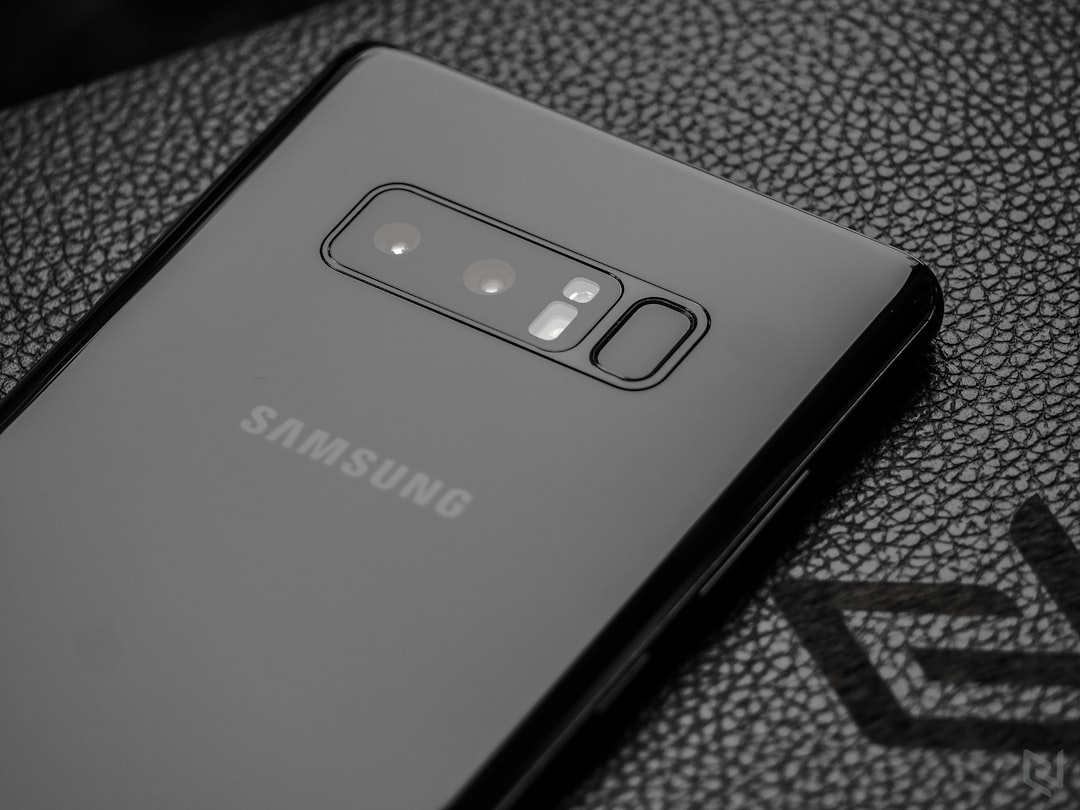
- Samsung Galaxy S20, S21, S22, S23, and newer
- Galaxy Z Fold and Z Flip series
- Selected Galaxy Note models (region dependent)
Google Pixel
- Pixel 3 and newer models
- Pixel 6, 7, and 8 series
- Pixel Fold
Other Brands
- Motorola Edge series (select models)
- Oppo Find series
- Huawei P40 and newer (market dependent)
- Sony Xperia 1 and 5 series (specific regions)
It is important to note that eSIM availability can vary by country and carrier. Some devices may support eSIM hardware but require software updates or carrier approval to activate it.
How to Set Up eSIM on an Android Phone
Setting up eSIM on Android is typically straightforward. While menus may vary slightly by manufacturer, the general process includes:
- Open Settings.
- Tap Network & Internet or Connections.
- Select SIMs or Mobile Network.
- Choose Add Carrier or Add eSIM.
- Scan the QR code provided by the carrier.
- Follow on-screen instructions to complete activation.
Once activated, users can assign the eSIM for calls, texts, or data usage. For dual SIM phones, it’s possible to designate one line for business and another for personal use.
eSIM vs Physical SIM: Key Differences
Although both SIM types serve the same core purpose, there are notable distinctions.
- Physical SIM: Removable plastic card inserted into a SIM tray.
- eSIM: Permanently embedded chip programmed digitally.
Main differences include:
- No physical handling with eSIM.
- More internal space flexibility for manufacturers.
- Potential for enhanced water and dust resistance.
From a user perspective, eSIM offers a cleaner and faster setup process. However, physical SIM cards may still be preferred in regions where eSIM support is limited.
Using eSIM for Dual SIM Functionality
One of the most attractive features of Android phones with eSIM is dual SIM support. Many devices allow:
- One physical SIM + one eSIM
- Multiple stored eSIM profiles
This setup is ideal for:
- Business professionals managing work and personal numbers
- International travelers maintaining a home carrier alongside temporary local plans
- Students studying abroad
Switching between profiles typically involves a few taps in the phone’s network settings, making it significantly easier than swapping SIM cards manually.
Carrier Compatibility and Limitations
While eSIM technology is expanding rapidly, carrier support still varies.
Before using eSIM, users should:
- Confirm carrier support for eSIM activation.
- Ensure the phone is unlocked.
- Verify regional compatibility of the device model.
Some carriers may restrict eSIM activation to postpaid plans, while others fully support prepaid, travel, and data-only plans.
Additionally, transferring an eSIM to a new phone may require carrier assistance, depending on policies and security measures.
Security of eSIM Technology
eSIM technology is widely considered secure. Because it cannot be physically removed without specialized procedures, it may reduce risks associated with SIM theft or swapping fraud.
Security benefits include:
- Encrypted remote provisioning
- Reduced physical tampering
- Advanced carrier authentication systems
However, users should still protect their devices with strong passwords, biometric authentication, and two-factor security options.
Future of Android Phones With eSIM
The adoption of eSIM is accelerating worldwide. Many industry experts expect physical SIM slots to become less common in the coming years, especially in premium Android devices.
Future developments may include:
- Greater global carrier support
- Faster device-to-device eSIM transfers
- Improved multi-profile management
- Integration with IoT and wearable devices
As more manufacturers embrace fully digital connectivity, consumers are likely to benefit from streamlined network activation and enhanced device design.
Frequently Asked Questions (FAQ)
1. Which Android phones support eSIM?
Most recent flagship devices from Samsung, Google Pixel, and selected models from Motorola, Oppo, Sony, and Huawei support eSIM. Availability depends on region and carrier compatibility.
2. Can eSIM and a physical SIM be used at the same time?
Yes, many Android devices offer dual SIM functionality using one physical SIM and one eSIM simultaneously.
3. Is eSIM better than a physical SIM?
eSIM offers greater convenience and flexibility, especially for travelers and users managing multiple numbers. However, physical SIMs may still be advantageous in areas where eSIM support is limited.
4. Does eSIM work internationally?
Yes, many international carriers and travel data providers offer eSIM plans. Users should confirm compatibility before traveling.
5. Can an eSIM be transferred to another Android phone?
In most cases, yes. The transfer process varies by carrier and may require scanning a new QR code or contacting customer support.
6. Is eSIM secure?
eSIM is generally secure due to encrypted provisioning and lack of physical removal. Standard smartphone security practices are still recommended.
7. Do all carriers support eSIM?
No. While support is expanding globally, users should verify with their carrier before purchasing an eSIM-compatible Android device.
Conclusion: Android phones with eSIM technology provide a modern, flexible, and increasingly essential solution for mobile connectivity. As carriers and manufacturers continue to expand support, eSIM is poised to become the primary method of network activation in the near future.
