
Is Pabington the Secret to a More Sophisticated Lifestyle?
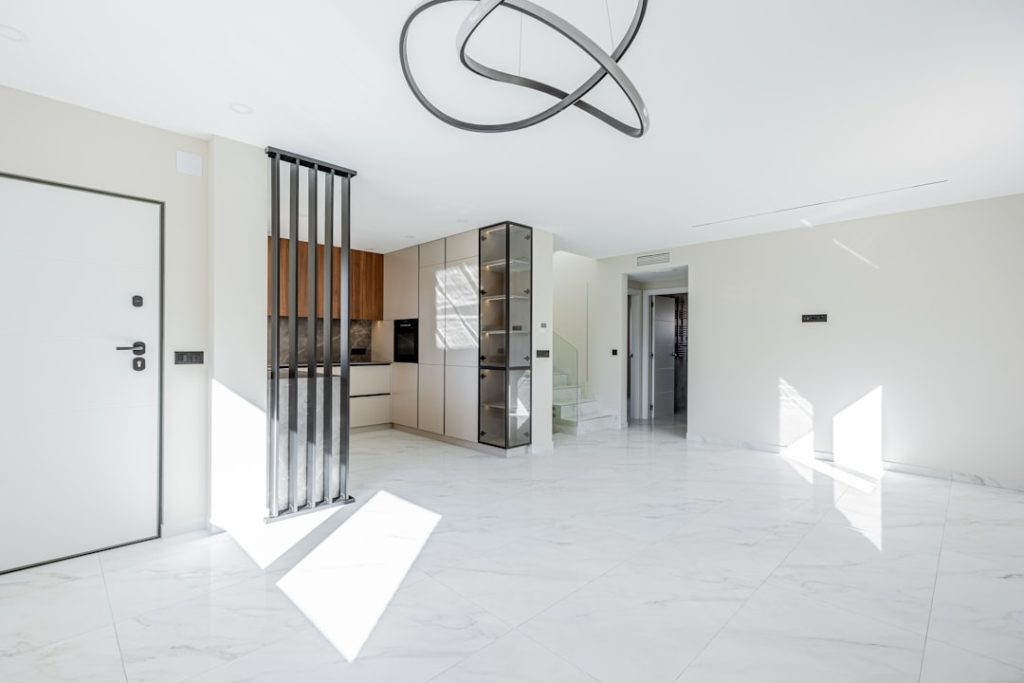
In an age where trends move quickly and luxury is often confused with excess, many people are searching for something deeper: a lifestyle that feels refined, intentional, and quietly confident. Increasingly, a concept known as Pabington is entering the conversation. While elusive at first glance, Pabington represents more than a fleeting aesthetic—it suggests a philosophy of living marked by taste, discernment, and cultural awareness. The question is not simply what Pabington is, but whether embracing it could truly lead to a more sophisticated way of life.
TLDR: Pabington is less about material wealth and more about intentional refinement in daily living. It emphasizes cultural awareness, thoughtful design, meaningful experiences, and personal discipline. By adopting Pabington principles—such as quality over quantity, cultivated taste, and mindful consumption—individuals may develop a lifestyle that feels more polished and fulfilling. Ultimately, sophistication emerges not from extravagance but from consistent, deliberate choices.
To understand why Pabington has captured attention, it is important to recognize that sophistication today is undergoing a redefinition. Flashy displays of luxury are losing their allure. In their place, there is a rising appreciation for subtle excellence—well-crafted objects, measured speech, quiet confidence, and environments that feel balanced rather than overwhelming. Pabington appears to crystallize this shift.
Defining the Essence of Pabington
At its core, Pabington is a framework for living that blends elegance, discipline, and cultural literacy. It is not tied to a single fashion trend, architectural style, or social class. Instead, it signals a way of approaching choices with depth and consideration.
Individuals drawn to Pabington often share certain characteristics:
- Intentional consumption rather than impulsive acquisition
- Appreciation for craftsmanship in design, cuisine, and art
- Measured communication that prioritizes clarity and respect
- Curated environments that promote calm and focus
- Lifelong learning across literature, music, history, and culture
Rather than seeking attention, the Pabington mindset values quiet mastery. There is a recognition that true sophistication often goes unnoticed because it does not demand validation.
The Visual Language of Sophistication
A significant part of the Pabington appeal lies in its visual and environmental cues. While not ostentatious, it embraces subtle signals of refinement—natural materials, balanced color palettes, and harmonious design principles.
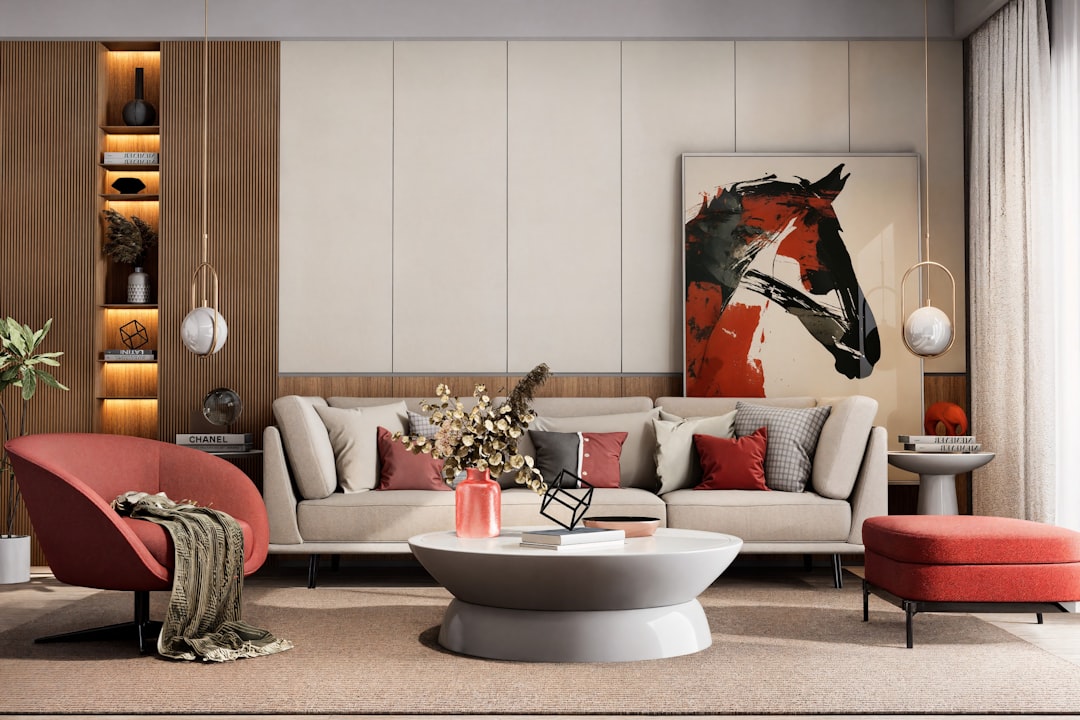
Spaces influenced by Pabington philosophy often feature:
- Neutral tones with carefully selected accent colors
- Organic textures such as wood, linen, and stone
- Functional yet beautiful furnishings
- Intentional spacing rather than clutter
This approach fosters an atmosphere where attention can settle. Research consistently shows that uncluttered, harmonious spaces reduce stress and improve cognitive clarity. In this sense, Pabington is not merely aesthetic—it can support mental well-being.
Beyond Appearance: Intellectual and Cultural Depth
However, equating Pabington solely with tasteful interiors would be a mistake. The philosophy extends well beyond surfaces. A truly sophisticated lifestyle requires intellectual substance.
Those who embody Pabington values are often committed to:
- Reading broadly across disciplines
- Engaging thoughtfully in public discourse
- Exploring classical and contemporary art forms
- Traveling with curiosity rather than checklist tourism
- Developing informed opinions grounded in research
This emphasis reflects a timeless truth: sophistication grows from exposure to ideas. A person who can appreciate a chamber music performance, discuss geopolitical developments with nuance, and reference literary works naturally projects depth.
In this regard, Pabington may serve as a modern reminder that refinement begins in the mind.
The Role of Personal Discipline
One often overlooked dimension of sophistication is discipline. It is easy to admire elegance from a distance, but far more challenging to embody it consistently. Pabington suggests that refined living requires habits.
Such habits may include:
- Maintaining punctuality and reliability
- Practicing physical wellness through measured routines
- Investing time in personal grooming and presentation
- Managing finances with foresight
- Communicating with restraint rather than impulsiveness
These behaviors reinforce self-respect. Over time, self-respect translates into outward poise. The individual who is internally ordered rarely needs to signal superiority; it is visible in composure alone.

Economic Considerations: Is Pabington Elitist?
A common criticism is that any lifestyle associated with refinement risks appearing exclusive. Does Pabington require substantial financial resources? The evidence suggests otherwise.
While quality often carries a cost, sophistication does not equate to extravagance. Instead, it encourages fewer purchases made with greater care. Choosing one well-tailored jacket over several disposable garments can be both economically and environmentally sound. Cooking thoughtfully prepared meals at home can surpass frequent dining at expensive restaurants.
This distinction is crucial. Pabington does not demand wealth—it demands discernment.
The democratization of knowledge through digital platforms also makes cultural literacy more accessible than ever. Public lectures, open-access journals, and virtual museum tours offer countless paths toward intellectual enrichment without significant expense.
Social Interactions and the Art of Presence
Sophistication becomes most visible in social settings. Pabington places high value on the art of presence—attentive listening, measured speech, and contextual awareness.
Consider how this manifests:
- Allowing others to finish speaking before responding
- Avoiding exaggerated claims or dramatic gestures
- Offering considered compliments rather than flattery
- Maintaining eye contact without intimidation
- Using language precisely and respectfully
These practices build trust. In professional environments especially, individuals who remain calm under pressure and articulate clearly often command quiet authority. This is sophistication operationalized.
The Psychological Appeal of Pabington
Why does the concept resonate now? Modern life is saturated with noise—notifications, rapid content cycles, and constant comparison. Many people feel fragmented. Pabington, with its emphasis on intention and coherence, offers an antidote.
By narrowing focus to a curated set of values and aesthetics, individuals reduce decision fatigue. They become less susceptible to trends and marketing cycles. This stability can foster a strong sense of identity.
Moreover, sophistication can act as a form of self-protection. When one adheres to clear standards—whether in dress, dialogue, or design—external chaos exerts less influence. There is comfort in operating from principle rather than impulse.
Practical Steps Toward a Pabington Lifestyle
For those intrigued by the concept, transformation need not be dramatic. Gradual, consistent adjustments may yield meaningful change.
1. Conduct a personal audit. Evaluate possessions, habits, and digital inputs. Remove elements that feel excess or distracting.
2. Define aesthetic parameters. Choose colors, materials, and clothing silhouettes that align with your identity rather than short-term trends.
3. Invest in knowledge. Commit to reading at least one substantial book per month across varied fields.
4. Elevate daily rituals. Whether preparing coffee or arranging a workspace, approach small moments with care.
5. Practice conversational discipline. Speak less frequently, but with greater purpose.
Over time, these changes can accumulate, reshaping both environment and mindset.
Is Pabington Truly the “Secret”?
Calling Pabington a “secret” may overstate its exclusivity. The principles it embodies—intentionality, cultural depth, restraint, and appreciation of quality—have existed for centuries. What is new is the branding of these timeless values into a cohesive narrative that appeals to a modern audience.
Yet there is power in naming a concept. By articulating a framework, Pabington provides language for aspirations that many quietly hold. It encourages people to resist superficial markers of success and instead cultivate enduring substance.
Ultimately, a sophisticated lifestyle is less about public recognition and more about private alignment. When surroundings reflect values, when conversations reflect thoughtfulness, and when consumption reflects discernment, life feels cohesive.
Conclusion
Pabington may not be a magic formula, but it offers a compelling lens through which to evaluate daily choices. It challenges individuals to balance aesthetics with intellect, consumption with restraint, and ambition with composure. In doing so, it reframes sophistication as attainable—not through wealth or status, but through deliberate living.
If there is a true secret embedded within Pabington, it is this: refinement is cumulative. Small, consistent acts of care—in dress, speech, reading, and design—create an atmosphere of quiet excellence. Over time, that atmosphere does not merely change how others perceive an individual; it reshapes how that person experiences the world.
In an era defined by acceleration, choosing depth may be the most sophisticated act of all.
