
Social Listening Software For Tracking Online Conversations
In an era where conversations unfold across countless digital channels, businesses can no longer rely solely on direct feedback to understand their audiences. Instead, they turn to social listening software to monitor, analyze, and respond to online discussions in real time. From social media posts and blog comments to forums and review platforms, these tools provide visibility into what people are saying—whether or not a brand is directly mentioned.
TLDR: Social listening software helps organizations track and analyze online conversations across social media and other digital platforms. It enables brands to monitor sentiment, spot trends, manage reputation, and discover opportunities for engagement. By turning unstructured conversations into actionable insights, businesses can make smarter marketing, product, and customer service decisions. When implemented strategically, social listening becomes a powerful competitive advantage.
What Is Social Listening Software?
Social listening software is a digital tool designed to track, collect, and analyze conversations happening online about a brand, industry, competitor, or topic. Unlike simple social media monitoring—which focuses on metrics like mentions and comments—social listening digs deeper into context and sentiment.
These platforms aggregate data from multiple sources, including:
- Major social networks such as Facebook, Instagram, X, LinkedIn, and TikTok
- Online forums and communities
- News websites and blogs
- Review platforms
- Podcasts and video platforms
By analyzing keywords, hashtags, brand mentions, and related phrases, the software identifies patterns and trends that would be impossible to detect manually at scale.
Why Social Listening Matters for Modern Businesses
Consumers today expect brands to be responsive and aware. When issues arise or trends emerge, organizations must adapt quickly. Social listening software plays a critical role in enabling that adaptability.
1. Real-Time Reputation Management
Online reputation can shift rapidly. A single viral post can spark widespread attention, positive or negative. Social listening tools provide real-time alerts for brand mentions and sentiment shifts, enabling companies to respond quickly before minor issues escalate.
Proactive crisis management is one of the most valuable outcomes of effective listening strategies.
2. Deeper Audience Insights
Traditional surveys ask customers what they think. Social listening reveals what they actually say when speaking freely. This distinction uncovers authentic opinions, concerns, and desires.
By analyzing recurring themes, businesses gain insights into:
- Customer pain points
- Content preferences
- Buying motivations
- Emerging needs
3. Competitive Intelligence
Social listening does not stop at monitoring a single brand. Companies often track competitors to see how audiences respond to their product launches, marketing campaigns, and public announcements.
This information helps organizations identify gaps in the market and refine their positioning strategies.
Key Features of Social Listening Software
Not all platforms are created equal, but most comprehensive social listening tools offer the following capabilities:
Keyword Tracking and Boolean Searches
Advanced tools allow users to create complex queries using Boolean logic. This ensures data collection is precise and relevant, filtering out noise while focusing on meaningful conversations.
Sentiment Analysis
Through artificial intelligence and natural language processing, sentiment analysis determines whether online mentions are positive, negative, or neutral. This feature transforms qualitative comments into measurable insights.
Trend Detection
By detecting spikes in conversation volume or recurring phrases, software can identify emerging trends before they become mainstream. Early adoption of trends can position brands as industry leaders.
Custom Dashboards and Reporting
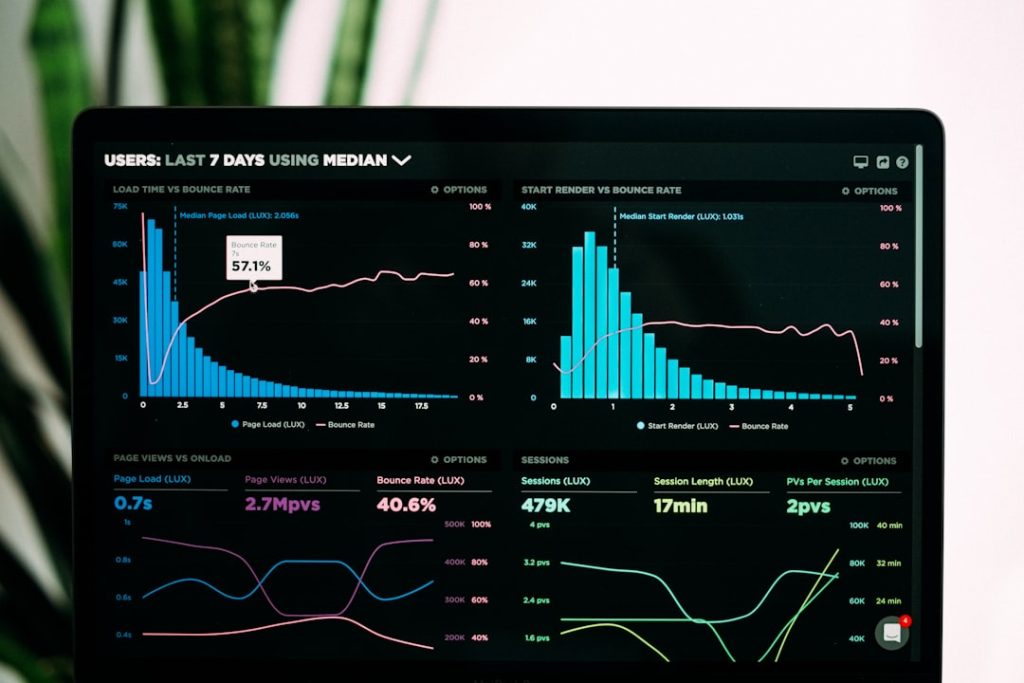
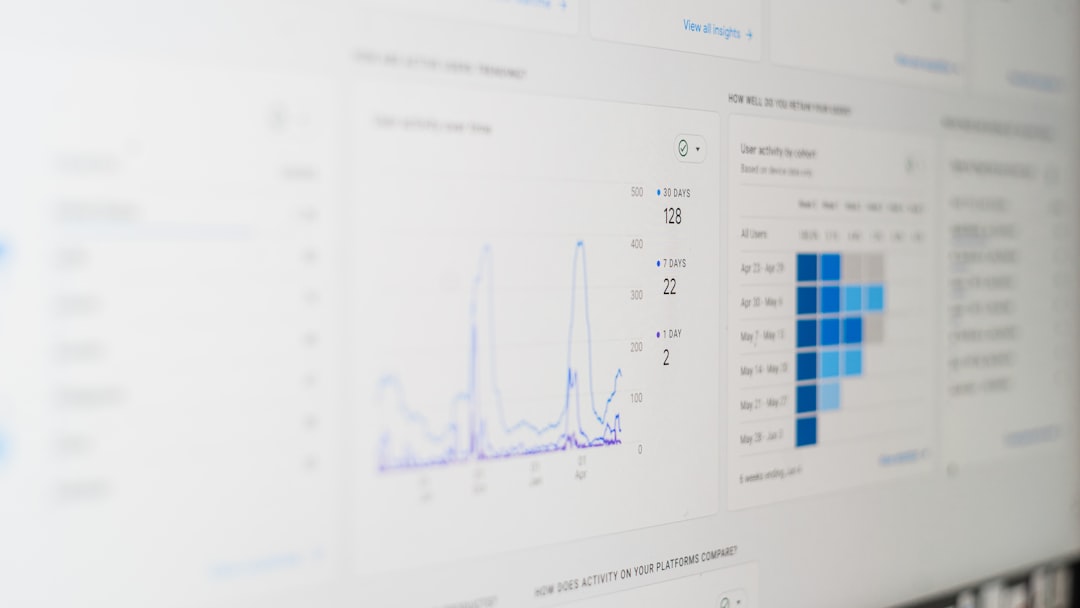
Data is only useful if it is understandable. Customizable dashboards present metrics visually, making it easier for marketers and executives to interpret findings and share reports across teams.

How Social Listening Software Works
At a technical level, social listening software uses web crawlers and APIs to collect publicly available data. That data is then processed through machine learning algorithms to categorize and interpret the information.
The process typically involves:
- Data Collection: Gathering real-time mentions and posts from selected channels.
- Data Filtering: Removing irrelevant or duplicate content.
- Data Analysis: Applying sentiment analysis and contextual classification.
- Visualization: Displaying insights through charts, graphs, and summaries.
This automated workflow allows organizations to monitor thousands—even millions—of conversations simultaneously.
Practical Applications Across Industries
Social listening software is not limited to marketing teams. Its applications extend throughout an organization.
Marketing and Campaign Optimization
Marketers use listening tools to measure how campaigns are received and to adjust messaging based on audience reactions. By identifying which content sparks engagement, they can replicate successful formats.
Product Development
Product teams monitor feedback to spot recurring complaints or feature requests. This feedback can guide innovation and improvements.
Customer Support Enhancement
Customer service teams benefit by identifying unanswered complaints shared publicly. Responding quickly demonstrates attentiveness and builds trust.
Public Relations
PR professionals track media coverage and public sentiment to assess the impact of press releases and announcements.

Benefits of Implementing Social Listening Software
The advantages of social listening go beyond data collection. Organizations that use these tools effectively often experience measurable improvements.
- Improved Decision-Making: Data-backed insights reduce guesswork.
- Stronger Customer Relationships: Timely responses show empathy and attention.
- Increased Brand Awareness: Identifying influencers and advocates amplifies reach.
- Competitive Advantage: Early detection of industry shifts enables agility.
Challenges and Considerations
While social listening software is powerful, implementation requires thoughtful planning.
Data Overload
The sheer volume of conversations can overwhelm teams. Clear goals and structured dashboards help focus attention on actionable insights rather than vanity metrics.
Privacy and Compliance
Organizations must respect data privacy regulations and platform policies. Ethical use of publicly available data is essential.
Accuracy of Sentiment Analysis
Although AI-driven sentiment analysis is advanced, it may struggle with sarcasm or cultural nuances. Human oversight remains important for interpreting critical insights.
Best Practices for Effective Social Listening
To maximize the value of social listening software, organizations should follow structured best practices:
- Define Clear Objectives: Determine whether the goal is brand monitoring, competitive analysis, or trend discovery.
- Use Comprehensive Keyword Lists: Include brand names, product variations, common misspellings, and industry terms.
- Segment Data: Separate insights by geography, platform, or audience demographic.
- Act on Insights: Listening alone is insufficient; action transforms data into impact.
- Continuously Optimize Queries: Update tracking terms as markets evolve.
The Future of Social Listening
The future of social listening software is closely tied to advancements in artificial intelligence and predictive analytics. As algorithms become more sophisticated, tools will move beyond describing what is happening to forecasting what is likely to happen next.
Emerging trends include:
- Predictive trend modeling to anticipate viral topics
- Emotion detection beyond basic positive or negative sentiment
- Integrated workflow automation connecting insights directly to CRM and marketing platforms
As digital conversations continue to expand across new platforms and formats, the need for comprehensive listening strategies will only grow stronger.
FAQ: Social Listening Software
1. What is the difference between social monitoring and social listening?
Social monitoring tracks specific mentions and engagement metrics, such as likes or shares. Social listening goes deeper by analyzing sentiment, trends, and context behind those mentions to inform strategic decisions.
2. Is social listening software only useful for large companies?
No. While enterprises benefit greatly from large-scale data analysis, small and mid-sized businesses can also use social listening to understand their audience, monitor reputation, and improve marketing efforts.
3. How accurate is sentiment analysis?
Sentiment analysis is generally reliable but not perfect. Advanced AI models provide strong accuracy, though human review is recommended for complex or sensitive topics.
4. Can social listening software predict trends?
Some advanced platforms use predictive analytics to identify early signals of emerging trends. While not guaranteed, these insights can help brands act proactively rather than reactively.
5. How often should businesses review social listening data?
Monitoring should be continuous, especially for brand reputation management. However, detailed analysis and reporting may occur weekly or monthly, depending on business goals.
6. Does social listening violate user privacy?
Reputable tools collect publicly available data and comply with data privacy regulations. Businesses are responsible for ensuring ethical and compliant use of insights.
Social listening software has evolved into an indispensable component of modern digital strategy. By transforming online conversations into clear, actionable intelligence, organizations can strengthen relationships, reduce risks, and uncover new opportunities in an increasingly connected world.
