
10 Website Builders That Offer Built-In Marketing Tools
Modern website builders are no longer limited to design and hosting. For businesses, freelancers, and organizations that depend on online visibility, the real value lies in how well a platform supports marketing tasks such as lead generation, email campaigns, search engine optimization, and analytics. Choosing a website builder with integrated marketing tools can significantly reduce the need for third-party software while improving consistency and performance.
TLDR: Website builders with built-in marketing tools help businesses save time, reduce costs, and improve online performance. Platforms like Wix, Shopify, and HubSpot CMS integrate SEO, email marketing, analytics, and automation directly into the website workflow. This article reviews ten reliable builders that combine website creation with practical, built-in marketing capabilities. The focus is on credibility, functionality, and real-world usability.
Below are ten website builders that stand out for offering strong, built-in marketing tools suitable for serious, long-term use.
1. Wix
Wix is widely recognized for its ease of use, but it has also matured into a marketing-capable platform. Its built-in marketing suite, Wix Ascend, includes email marketing, social media posting, lead capture forms, and basic marketing automation.
- Integrated SEO tools with step-by-step guidance
- Email campaigns and automated follow-ups
- CRM for managing contacts and leads
Wix is particularly suitable for small businesses and service providers who want marketing tools without technical complexity.
2. Squarespace
Squarespace emphasizes design quality, but it also provides a solid marketing foundation. The platform includes built-in email marketing, SEO controls, and social media integrations, all designed to work seamlessly with its templates.
- Email Campaigns with branded layouts
- Built-in analytics and traffic insights
- SEO settings for pages and products
Squarespace is best suited for creatives, consultants, and content-driven businesses that value brand consistency.
3. Shopify
Shopify is a leading e-commerce platform, and its marketing tools are closely aligned with sales performance. Users benefit from integrated email marketing, discount campaigns, abandoned cart recovery, and multichannel selling.
- Built-in email and SMS marketing
- Marketing automation for customer retention
- Advanced analytics tied directly to revenue
For online retailers, Shopify’s marketing tools are practical, measurable, and optimized for growth.
4. WordPress.com
WordPress.com differs from the self-hosted WordPress software by offering integrated hosting and marketing features. Higher-tier plans include SEO tools, email subscriptions, and marketing integrations managed from a central dashboard.
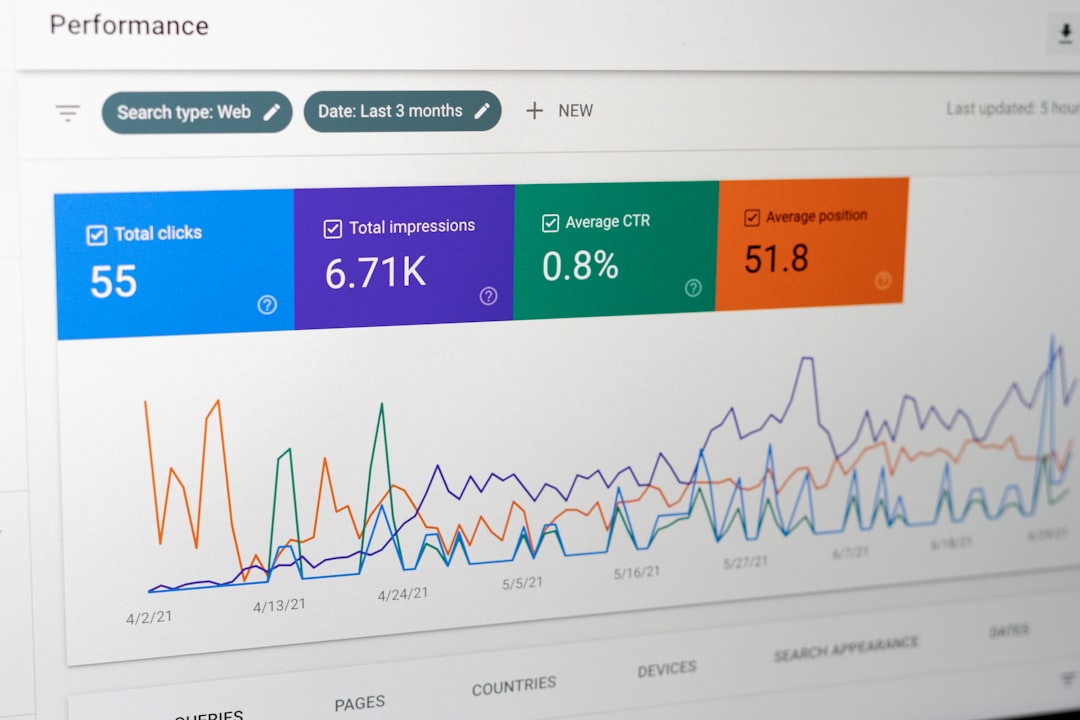
- SEO optimization and performance analytics
- Email subscription and newsletter tools
- Content marketing and publishing focus
This platform is well-suited for publishers, bloggers, and businesses that rely heavily on content marketing.
5. Webflow
Webflow is primarily known for design flexibility, but its marketing features are increasingly robust. Native integrations support SEO optimization, form handling, and content-driven lead generation.
- Advanced SEO controls and clean code output
- Custom forms with lead capture workflows
- CMS for content-focused marketing
Webflow is often chosen by agencies and professionals who want precision and control over both design and marketing structure.
6. Weebly
Owned by Square, Weebly provides accessible marketing tools for small businesses. It includes email campaigns, lead capture, and SEO guidance within a simple interface.
- Email marketing with contact management
- Basic SEO and performance tracking
- E-commerce marketing integration via Square
Weebly is a practical choice for local businesses and entrepreneurs who prioritize simplicity and affordability.
7. GoDaddy Website Builder
GoDaddy’s website builder integrates marketing tools directly into the setup process. Its focus is on speed and automation, allowing users to launch and promote websites quickly.
- Email marketing and social media posting
- SEO recommendations and keyword tracking
- Appointment booking and lead capture
This platform works well for service-based businesses that need an online presence and basic marketing support with minimal effort.

8. HubSpot CMS
HubSpot CMS is designed around inbound marketing principles. Unlike traditional website builders, it tightly integrates the website with CRM, marketing automation, and sales tools.
- Advanced CRM and lead tracking
- Email marketing and marketing automation
- Detailed analytics and attribution reporting
HubSpot CMS is best for growing companies that require data-driven marketing and close alignment between sales and marketing teams.
9. Jimdo
Jimdo focuses on small businesses and freelancers who want fast setup with essential marketing features. Its AI-assisted builder helps create optimized websites quickly.
- SEO assistance and ranking guidance
- Integrated contact forms and tracking
- Basic analytics and performance monitoring
Jimdo is suitable for solo professionals who need a credible web presence with light marketing support.
10. Hostinger Website Builder (formerly Zyro)
Hostinger’s website builder includes integrated marketing and growth tools at a competitive price point. It combines AI-driven features with practical marketing essentials.
- AI-powered content and SEO tools
- Email marketing integrations
- Heatmaps and user behavior insights
This platform appeals to startups and small businesses seeking affordable, modern marketing features.
Final Considerations
Website builders with built-in marketing tools offer a significant advantage for organizations that want efficiency and consistency. While no single platform is ideal for every use case, the builders listed above provide reliable, well-integrated marketing features that support real-world business needs.
When evaluating a platform, it is important to consider not only current requirements but also future scalability. Built-in marketing tools may vary in depth, but when chosen carefully, they can form the backbone of a sustainable and measurable digital strategy.
