
Vintage Revival: Why Old Trends Keep Coming Back
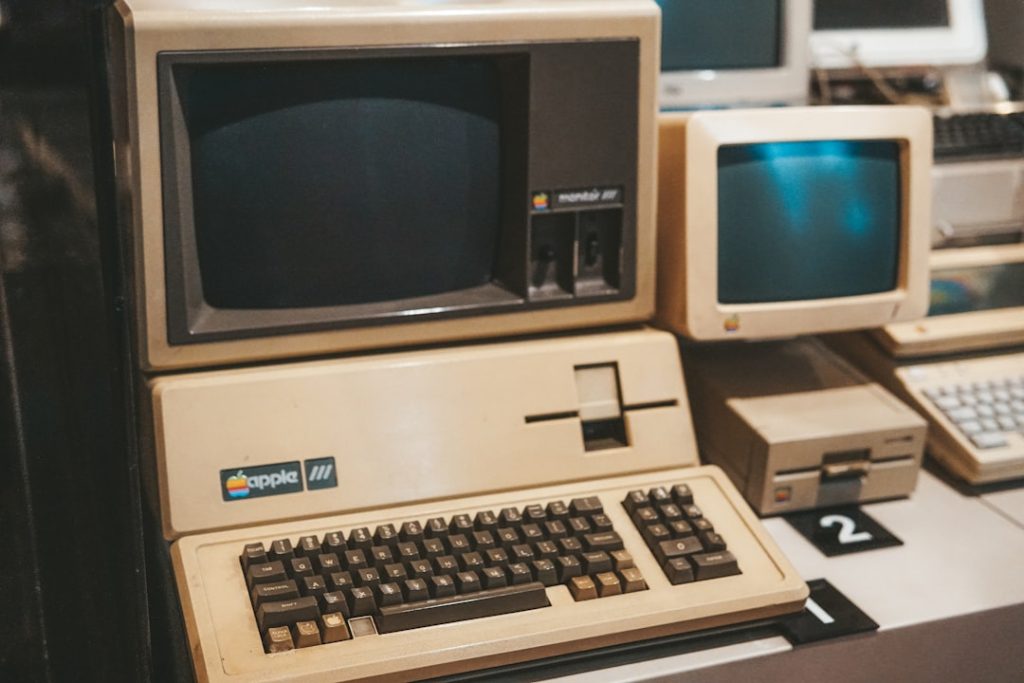
Fashion, music, decor, and even technology often loop back to the past. One moment, a trend seems long forgotten, and the next, it’s walking down modern runways, streaming on top playlists, or decorating the newest cafes. This phenomenon, widely referred to as the vintage revival, isn’t just a fluke of nostalgia—it’s a complex dance between culture, economics, psychology, and aesthetics.
TLDR: Vintage styles and trends repeatedly make comebacks because of emotional nostalgia, sustainable thinking, and the appeal of timeless design. In many cases, old ideas are reimagined for the modern world, offering a balance between familiarity and freshness. Cultural shifts, fashion cycles, and the rise of social media also thrust retro styles back into the limelight. From vinyl records to mom jeans to mid-century furniture, yesterday’s staples are now today’s style statements.
The Psychology Behind Nostalgia
At the heart of vintage revival is nostalgia—a complex emotional experience that blends happiness with longing for the past. Studies indicate that nostalgia can improve mood, self-esteem, and even provide existential comfort. It’s no wonder then, that in times of uncertainty, people instinctively turn to the familiar and comforting aesthetics of the past.
Key psychological motivations include:
- Emotional connection: Items from the past often represent a simpler, happier time. Wearing a retro bomber jacket or playing a vinyl record may resonate emotionally, especially if it reminds someone of childhood or their parents’ youth.
- Desire for authenticity: In a digital, fast-paced world, vintage items often appear more ‘real’ or genuine—like a handwritten letter compared to a text message.
- Identity expression: Adopting retro trends can be a way of standing out and articulating individuality, especially as mainstream culture becomes more homogenized.

Fashion’s Ever-Rotating Closet
Fashion is arguably the most visible arena where vintage trends continuously resurface. Designers regularly draw on inspiration from previous decades—think 1990s slip dresses, 1970s flared pants, or 1950s polka dots. Why does this keep happening?
The mechanics of fashion revival include:
- The 20-Year Rule: Fashion experts often cite this theory, which suggests that trends cycle back every 20 years. This lag allows a new generation to rediscover and reinvent what was once passé.
- Runway recycling: Iconic brands like Gucci and Prada often mine their archives for inspiration. By modernizing past styles—changing fabrics, adjusting cuts—they reinterpret vintage with contemporary flair.
- Second-hand and thrift culture: Platforms like Depop, Poshmark, and vintage stores have fueled a growing market for pre-loved clothes. This isn’t just about aesthetics—it’s sustainability, budget, and uniqueness rolled into one.
Music: When Old Sounds Feel New
It’s not just your wardrobe that’s looking backward—your playlist likely is too. With the popularity of vinyl and retro-inspired acts, vintage musical styles are making notable returns.
Consider these revivals:
- Vinyl records: Once thought obsolete, vinyl has made a strong comeback. In 2020, vinyl sales in the U.S. surpassed CD sales for the first time in over 30 years.
- Retro-inspired artists: Think of artists like Bruno Mars and Dua Lipa, who infuse their songs with 70s funk or 80s synth-pop. These sounds might be old, but in new hands, they feel unmistakably fresh.
- Sampling and covers: Many modern hits borrow directly from older songs. Sampling allows artists to pay homage or reinterpret classics, reintroducing them to a younger audience.
This musical time-travel allows a continued relationship with the past, while also expanding its interpretation for new artistic means.
Home Decor: The Rise of Retro Interiors
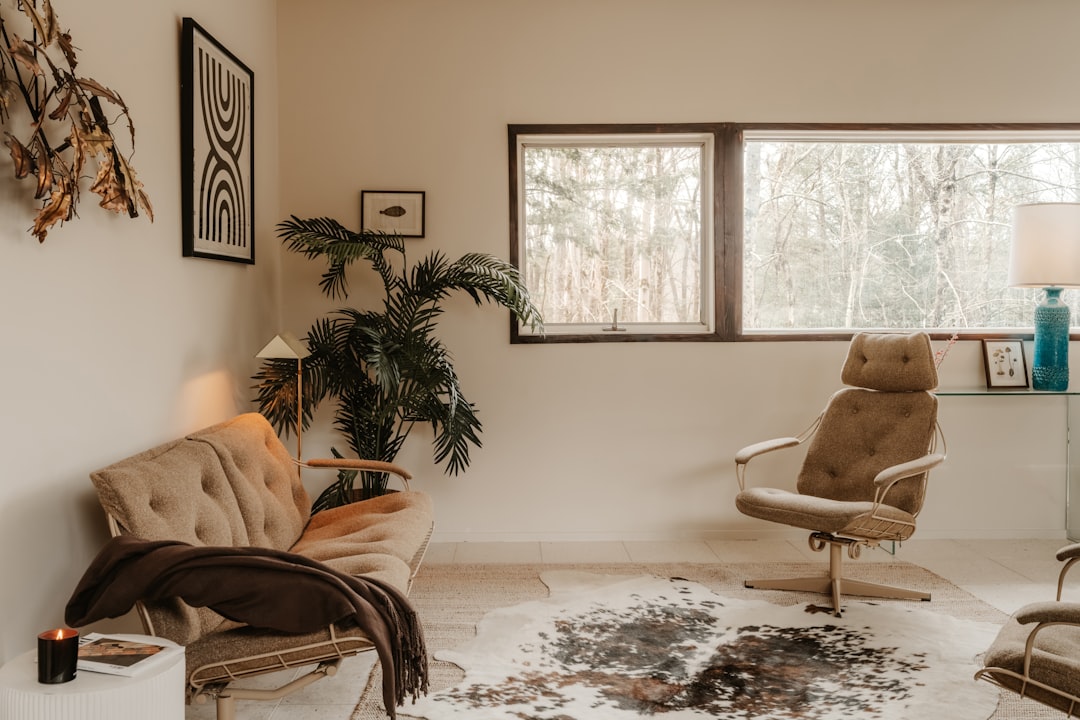
Mid-century modern furniture, brassy accents, and sideboards that could belong in your grandmother’s living room—they’re all back. The home design world has fully embraced vintage aesthetics, especially in the age of Instagram and Pinterest.
Trends driving this revival include:
- Mid-century design: Characterized by clean lines, tapered legs, and earthy hues, this style offers both comfort and sophistication. Its popularity resurged thanks to shows like Mad Men.
- Eclectic maximalism: The minimalist trend is giving way to character-rich spaces with vintage finds, curios, and textured fabrics from older decades.
- Upcycling and sustainability: With greater awareness of conscious consumption, many are opting to remodel or repurpose old furniture instead of buying new.
Technology Goes Analog Again
In a world of constant digital innovation, a curious reversal is happening—people are flocking back to analog solutions.
- Polaroid cameras: Instant photography came roaring back as an artful, physical alternative to the infinite stream of digital photos.
- Typewriters: Though largely obsolete, they are resurfacing as tools for mindfulness and focused creativity. Writers tired of screen fatigue are turning to these clacking machines for inspiration.
- Retro gaming: Consoles like the NES Classic and Sega Genesis Mini have seen meteoric success, tapping into childhood memories and a desire for simpler gameplay experiences.
The analog revival is not a rejection of modernity, but rather a supplement to it—offering tactile depth and slowed-down interaction in a digitally saturated world.
The Influence of Media and Pop Culture
TV and film also play a pivotal role in reviving old trends. Shows like Stranger Things, set in the ’80s, have driven a resurgence in everything from bowl cuts to bike brands. Meanwhile, films like Barbie or biopics on pop stars from the past shine a spotlight on forgotten or underappreciated aesthetics.
What drives this influence?
- Emotional connection: Pop culture connects deeply with audiences, embedding certain styles and sounds into collective memory.
- Styling cues: With millions browsing IMDb, Pinterest, and TikTok for aesthetic inspiration, television wardrobes and set designs often become templates for mainstream trends.
- Merchandising and accessibility: Once a style hits the screen, brands capitalize on its sudden popularity, making it easier for consumers to buy and adopt the look.
Social Media: The Viral Powerhouse
Trends spread faster than ever today, thanks to platforms like TikTok and Instagram. Entire style movements—like the ‘Y2K aesthetic’ or the return of bell-bottom jeans—can explode overnight with the help of influencers and viral hashtags.
Some brands even choose to buy Instagram or TikTok accounts to accelerate their reach and tap into existing audiences as trends take off.
Role of social media in vintage revival:
- Instant exposure: Vintage trends get immediate visibility on platforms, making it easier for people to get inspired and follow suit.
- Niche communities: Enthusiasts gather in corners of Reddit or Facebook groups to trade, discuss, and collect vintage items.
- Aesthetic curation: Users curate their feeds with coordinated palettes, often borrowing from retro styles like 90s grunge, 70s disco, or early 2000s glam.
Why Vintage Is More Than Just a Trend
Although certain styles do fade and flow, the movement toward the vintage revival is deeper than a passing fad. It reflects a cultural thirst for meaning, sustainability, connection, and individuality. For many, old is the new new—not simply for novelty’s sake, but because it offers authenticity in an era saturated with mass production and fleeting digital content.
So whether you’re dusting off your dad’s leather jacket, spinning a retro soul record, or typing on your grandmother’s Olivetti typewriter—you’re part of an enduring pattern that goes far beyond fashion cycles. In reviving the past, we’re not just reminiscing. We’re remixing, reimagining, and reconnecting—with history, and with ourselves.
