
Ultimate Guide To The Salad Fork History Uses Dining Etiquette And Tips
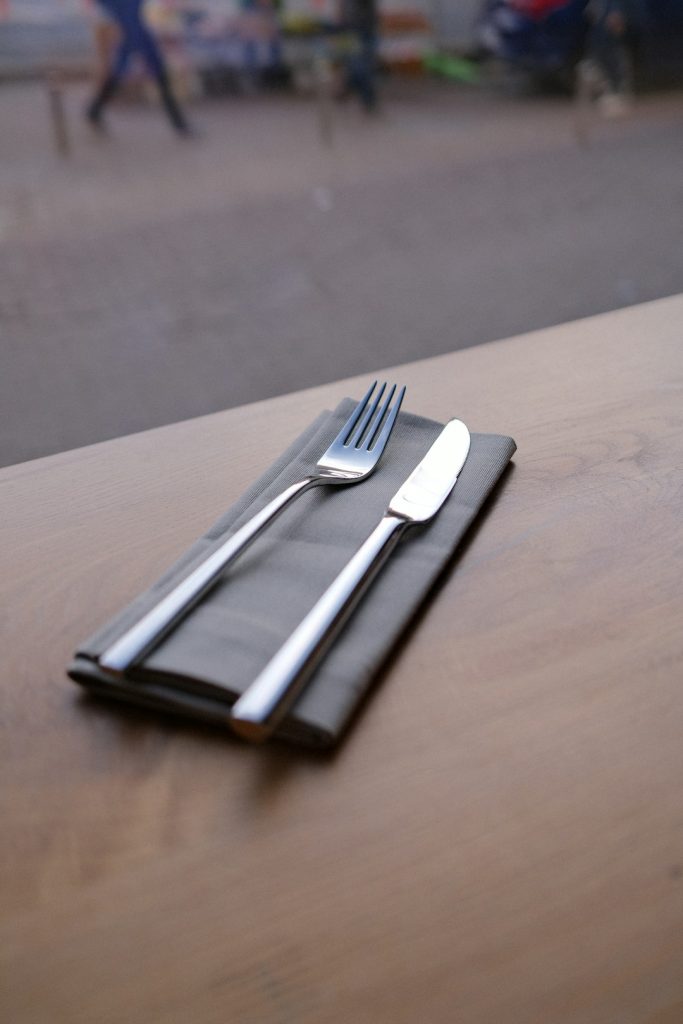
The humble salad fork may seem like a minor detail in the grand tapestry of dining etiquette, but its history, design, and function offer a fascinating glimpse into the world of fine dining and table manners. From royal banquets to modern-day restaurants, the salad fork has carved out a unique niche at the dinner table, serving both practical and symbolic purposes.
TL;DR (Too Long; Didn’t Read):
The salad fork is a specialized utensil designed for eating salads and other light dishes. Typically shorter and wider than a dinner fork, it often features slightly serrated edges for easier cutting. Its history dates back to formal European dining traditions where utensil etiquette was strictly observed. Knowing how to properly use a salad fork can elevate your dining experience and reflect good manners.
The Origin and History of the Salad Fork
The fork itself has an intriguing history that dates back as far as ancient Persia and Byzantium. However, it wasn’t until the 18th and 19th centuries in Europe that specialized forks began to emerge, each designed with a specific purpose. The salad fork, in particular, became a staple on formal dining tables during the Victorian era, a time known for its etiquette and elaborate meal courses.
As multi-course meals became common among the upper class, so did the need for a utensil suited specifically for salads, which were often served before or alongside the main course. The salad fork’s emergence helped diners properly handle leafy greens and other vegetable components without awkward cutting or struggling to stab ingredients with a general-purpose fork.
Design Features of the Salad Fork
Salad forks tend to have subtle yet distinctive design elements that differentiate them from other forks. Common features include:
- Length: It is generally shorter than a dinner fork, usually around 6 to 6.5 inches long.
- Width: Often slightly wider with more broadly spaced tines.
- Tine Shape: The left tine may be thicker or even have a sharpened edge to assist with cutting salad ingredients.
- Material: Stainless steel is typical, but fancier settings may include silver or gold-plated versions.
The thickened or sharpened tine not only helps with tougher vegetables like cucumber or cherry tomatoes but also empowers the user to cut through soft meats that may accompany a salad.

How Is a Salad Fork Used?
Using a salad fork correctly involves more than just picking it up and stabbing your greens. In a formal setting, it serves a specific role and is used in a particular order during the meal.
Placement on the Table
During a formal meal setting, the salad fork is typically placed to the left of the dinner fork. If the salad is served before the main course, the salad fork will be on the outermost left position. This follows the general rule of “use utensils from the outside in.”
Practical Use
The wider tines make scooping leafy greens or spearing vegetables more efficient. The subtly serrated edge makes it easy to cut through ingredients like lettuce, grilled vegetables, or even poultry included in the salad.
Salad Fork vs. Dinner Fork: Key Differences
People often confuse the salad fork with the dinner fork due to their similar appearance. However, the differences are important, especially in formal dining settings.
| Salad Fork | Dinner Fork | |
|---|---|---|
| Length | About 6–6.5 inches | About 7–7.5 inches |
| Tine Shape | Shorter, wider, sometimes one serrated edge | Standard length and thickness tines |
| Use | Specifically for salads or appetizers | Used for main courses |
Dining Etiquette: Salad Fork Basics
Dining etiquette might vary across cultures, but certain universal practices relate to the use of utensils like the salad fork. These include:
- Starting with the correct fork: Always use the outermost fork first in a multi-course meal, which is usually the salad fork if salad is served before the entrée.
- Resting position: When paused between bites, utensils should rest on the plate in an inverted V or angled position. When finished, place the fork horizontally across the plate.
- Avoid switching hands mid-meal: Keep the fork in the left hand and knife in the right in European style, or switch to the right for the “American hand switch” method after cutting.
When Not to Use a Salad Fork
While salad forks are versatile, they are not intended for every dish. Avoid using it in the following scenarios:
- Meaty or dense main courses: Use a dinner fork instead, as it provides more leverage and length.
- Desserts or seafood dishes: Specialized forks like dessert forks or seafood forks are better suited.
- Buffet-style dining: In casual meals or buffets, a general-purpose fork may serve all needs without the formal distinctions.
In American dining, you may sometimes encounter settings where the salad is served after the entrée, particularly in steakhouse-style restaurants. In such cases, the order of fork use will differ accordingly.
Tips for Choosing and Caring for Salad Forks
When buying or maintaining salad forks, consider the following:
- Material matters: Choose high-quality materials like stainless steel or plated silver for durability and style.
- Stick with complete sets: Uniformity in table setting adds elegance, so buying forks as part of a complete flatware set is preferable.
- Regular polishing: Silver salad forks may tarnish and require occasional polishing to maintain their luster.
- Proper storage: Store separately in soft dividers or wrapped to avoid scratches, especially for fancier metal finishes.
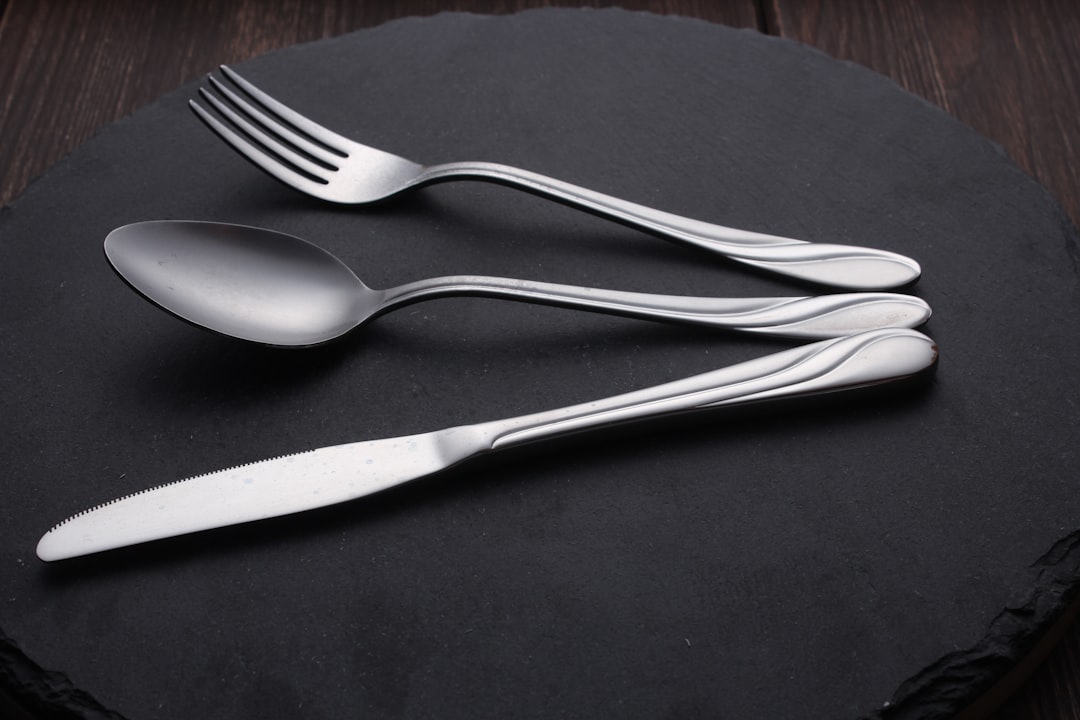
Modern Trends and Salad Fork Adaptations
In today’s more casual dining landscapes, traditional etiquette is often relaxed. However, high-end restaurants and formal events still observe classic utensil arrangements. Some modern adaptations of the salad fork include:
- Eco-friendly bamboo or compostable materials for use at conscious events or weddings.
- Ergonomic designs for people with disabilities or arthritis.
- Custom engraved forks for weddings, baby showers, or gifts.
Conclusion
Understanding the salad fork may seem like a deep dive into a trivial part of dining, but it reveals much about etiquette, history, and thoughtful design. Whether you’re hosting a formal party or simply want to impress at your next dinner out, using a salad fork properly adds grace and decorum to your enjoying of meals. As dining customs evolve, little things like the salad fork remain constant markers of culinary civility.
Frequently Asked Questions (FAQ)
- Q: Can I use a salad fork for other dishes?
- A: Yes, especially for light dishes or appetizers, but it’s best to use the intended utensil for each course whenever possible.
- Q: What happens if I use the wrong fork at a formal dinner?
- A: In most settings, it won’t be a major issue, but following the proper order shows cultural awareness and respect.
- Q: Are salad forks always needed?
- A: Not in casual dining situations, but they are expected in formal or traditional multi-course meals.
- Q: Can I buy salad forks individually?
- A: Yes, they are often sold in sets or individually at kitchenware stores and online marketplaces.
- Q: What is the best way to clean silver salad forks?
- A: Use a silver polish or
