
Tying vs. Tieing: Understanding the Nuances
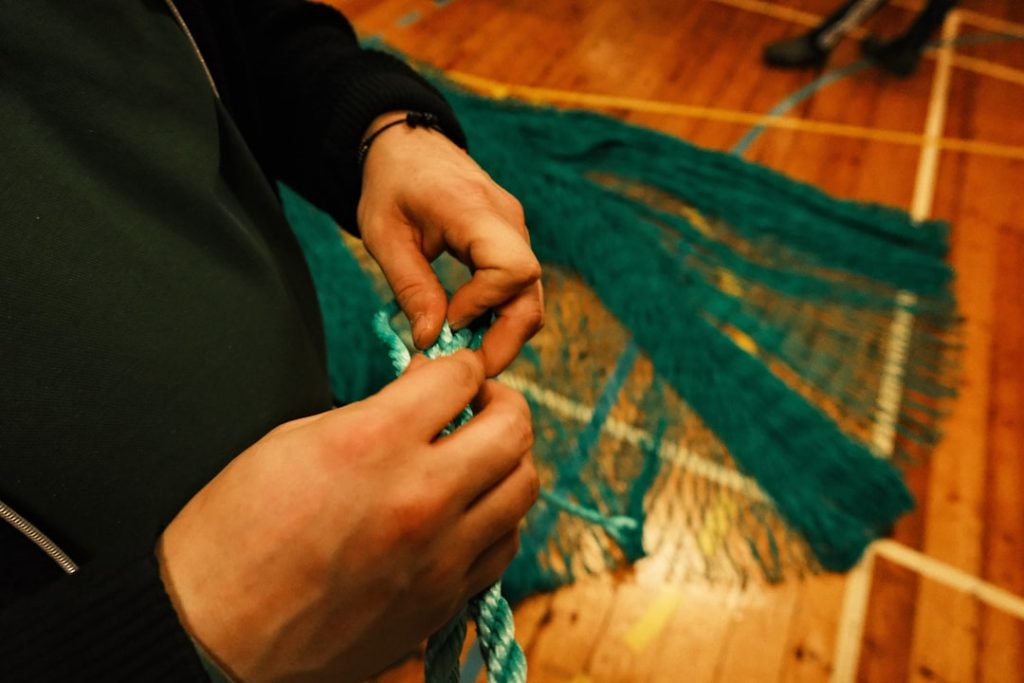
The English language is filled with subtle distinctions that can confuse even experienced writers. One commonly debated pair is tying versus tieing, two spellings that appear to represent the same action but carry very different levels of acceptance. Understanding why one form dominates standard usage while the other lingers on the edges of correctness offers a useful lesson in spelling conventions, pronunciation, and the evolution of modern English.
TLDR: Tying is the standard and widely accepted spelling of the present participle of tie. Tieing occasionally appears but is generally considered nonstandard or incorrect in modern English. The distinction comes from established spelling rules regarding verbs that end in a silent e. Writers who want to ensure clarity and professionalism should almost always choose tying.
The Root of the Confusion
At the heart of the issue lies the base verb tie. In English, forming the present participle typically involves adding -ing to the verb. For many words, this process is straightforward: walk becomes walking, and read becomes reading. However, verbs ending in a silent e follow a slightly different pattern.
In most cases, the silent e is dropped before adding -ing. This is why make becomes making and write becomes writing. The verb tie conforms to this rule, but it also undergoes a spelling shift to preserve pronunciation clarity, resulting in tying rather than ting.
Why Tying Became Standard
The spelling tying emerged as the standard form because it reflects both pronunciation and readability. Without the inserted y, readers might misinterpret the word’s sound. English often uses such spelling adjustments to guide pronunciation, even when the changes appear inconsistent.
Tying is recognized by all major dictionaries, style guides, and grammar resources as the correct present participle and gerund form of tie. It is used in both literal and figurative contexts, such as tying a knot, tying shoelaces, or tying ideas together in an argument.
The Curious Case of Tieing
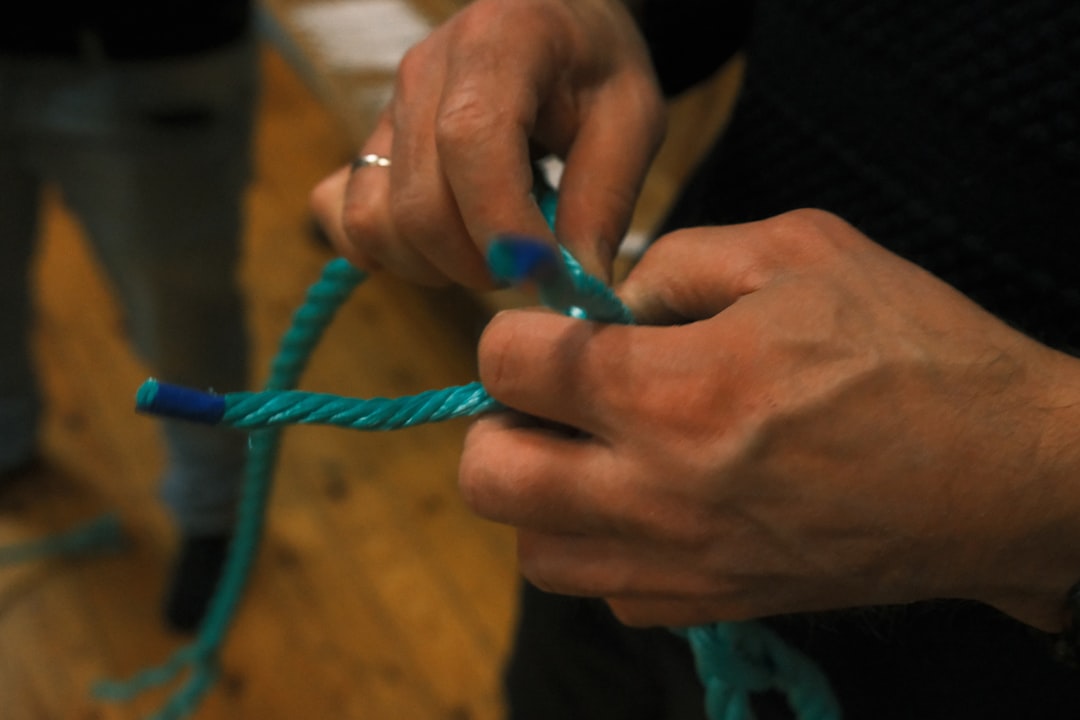
Tieing does appear occasionally in writing, especially among learners of English or writers applying rules too literally. From a purely logical standpoint, adding -ing directly to tie seems reasonable. However, English is not purely logical, and convention plays a decisive role in determining correctness.
Most dictionaries either label tieing as incorrect or omit it entirely. When it does appear, it is often in informal writing, online discussions, or early drafts that have not been carefully edited. In professional, academic, or published contexts, its use is typically seen as a spelling error.
Grammar Rules at Work
Understanding the general rules behind verb forms helps explain why tying prevails:
- Verbs ending in a silent e usually drop the e before -ing.
- If dropping the e changes pronunciation or creates ambiguity, English sometimes inserts another letter.
- Established usage and readability often override strict rule application.
In the case of tie, the inserted y maintains the long i sound and prevents confusion, ensuring that readers instantly recognize the intended word.
Historical and Linguistic Influences
The evolution of spelling conventions is influenced by historical usage, printing practices, and education standards. Earlier forms of English displayed greater variation in spelling, and it was not unusual to see multiple accepted versions of the same word. Over time, dictionaries and educational systems favored consistency.
Tying gained dominance as English spelling became more standardized in the nineteenth and twentieth centuries. Once textbooks, newspapers, and style guides aligned on a single form, alternatives like tieing gradually fell out of favor.
Usage in Modern Writing
In contemporary English, tying is the only form recommended for general use. It appears in fiction, journalism, academic papers, business communication, and digital content. Writers who use tieing risk distracting readers or undermining the credibility of their work.
This distinction becomes particularly important in professional environments, where correct spelling signals attention to detail. Editors and proofreading tools almost universally flag tieing as an error.
Related Word Forms
Looking at other forms of the verb tie can further reinforce the pattern:
- Present: tie
- Past: tied
- Present participle: tying
- Noun form: tie or tying
These forms illustrate how English modifies spelling to balance consistency and pronunciation, even when the changes seem irregular at first glance.
Common Learning Challenges
Language learners often struggle with examples like tying because English spelling rules include many exceptions. Native speakers may also hesitate, especially when typing quickly or relying on intuition rather than reference.
The best strategy is exposure and repetition. Seeing tying used correctly in context builds familiarity and reduces uncertainty over time.
Practical Writing Advice
When in doubt, writers should consult a dictionary or trusted style guide. Spell-check tools are also helpful, though understanding the reason behind corrections builds long-term confidence.
Remembering that tying follows the same logic as lying (from lie) can also serve as a useful mental shortcut.
FAQ
- Is tieing ever correct?
In standard modern English, tieing is generally considered incorrect. Tying is the accepted form. - Why does tie become tying instead of tieing?
English drops the silent e and inserts a y to preserve pronunciation clarity and follow established usage. - Do dictionaries include tieing?
Most major dictionaries either exclude it or mark it as nonstandard or erroneous. - Is this confusion common among native speakers?
Yes, especially in casual writing, though most native speakers recognize tying as correct when given a moment to reflect. - Are there similar word pairs in English?
Yes, examples include lie to lying and die to dying, which follow the same pattern.
