
Top 5 Tools that Fundamentally Change Studying

Studying has evolved dramatically over the past decade. What was once confined to highlighters, spiral notebooks, and late-night cramming sessions has transformed into a technology-driven, efficiency-focused system designed to maximize retention and minimize wasted time. Modern learners are no longer asking how many hours they should study, but rather how effectively those hours are being used. A handful of powerful tools have fundamentally reshaped the learning process, helping students understand complex material faster, remember it longer, and stay motivated throughout their academic journey.
TLDR: Modern studying is no longer about spending more time with textbooks—it’s about using smarter tools. AI-powered learning assistants, spaced repetition apps, distraction blockers, digital note systems, and collaborative mind mapping tools are changing how students absorb and retain information. These tools improve focus, strengthen memory, and increase productivity. Together, they transform studying from passive review into active, optimized learning.
Below are five tools that have fundamentally changed the way students approach studying.
1. AI-Powered Study Assistants
Artificial intelligence has moved beyond simple automation and into personalized learning. AI-powered study assistants can summarize dense texts, explain complex theories, generate quizzes, and provide instant feedback. More importantly, they adapt responses based on user questions, creating a highly interactive study experience.
Instead of passively rereading textbooks, students now engage in conversational learning. They can:
- Generate custom practice questions tailored to specific topics
- Request simplified explanations for difficult concepts
- Create structured study guides within seconds
- Simulate exam scenarios with timed quizzes
Why it fundamentally changes studying: AI removes friction. Students no longer waste time searching for explanations or waiting for help. Immediate clarification prevents confusion from compounding, keeping learning momentum intact.
2. Spaced Repetition Systems
Memory research has consistently shown that information fades quickly without reinforcement. Spaced repetition systems use algorithms to determine the optimal time to review material just before it would otherwise be forgotten.
These tools present flashcards at increasing intervals based on performance. If a learner struggles with a concept, it appears more frequently. If mastered, it appears less often.
Key advantages include:
- Long-term retention instead of short-term memorization
- Efficient review scheduling
- Focused repetition on weak areas
Why it fundamentally changes studying: Traditional rereading wastes time on familiar material. Spaced repetition focuses effort precisely where it is needed, reinforcing neural pathways at scientifically optimal intervals. This transforms studying from cramming into systematic memory building.
3. Distraction-Blocking Focus Tools
Attention has become one of the scarcest resources in education. Notifications, social media feeds, and constant digital noise fragment concentration. Distraction-blocking tools address this challenge directly.
These tools can:
- Block websites and apps during study sessions
- Track focus time with productivity timers
- Encourage deep work cycles such as structured intervals

Many integrate time-management techniques that segment studying into manageable periods, followed by short breaks. This approach reduces burnout and protects mental stamina.
Why it fundamentally changes studying: Learning requires cognitive depth. Without sustained attention, complex understanding becomes impossible. Focus tools rebuild an environment where deep thinking can occur consistently.
4. Digital Note-Taking Systems
Gone are the days of flipping through disorganized paper notes. Modern digital note-taking platforms allow students to organize thoughts into searchable, interconnected systems.
These systems offer:
- Cloud synchronization across devices
- Searchable handwritten and typed notes
- Multimedia integration like images, recordings, and diagrams
- Tagging and cross-linking between related topics
One of the most transformative aspects is the ability to interlink ideas. A concept studied in biology can connect to chemistry or physics with a simple hyperlink, mirroring how knowledge is actually structured in the brain.
Why it fundamentally changes studying: Instead of static pages, students create dynamic knowledge networks. Retrieval becomes faster, review becomes smoother, and comprehension deepens through structured organization.
5. Collaborative Mind Mapping Tools
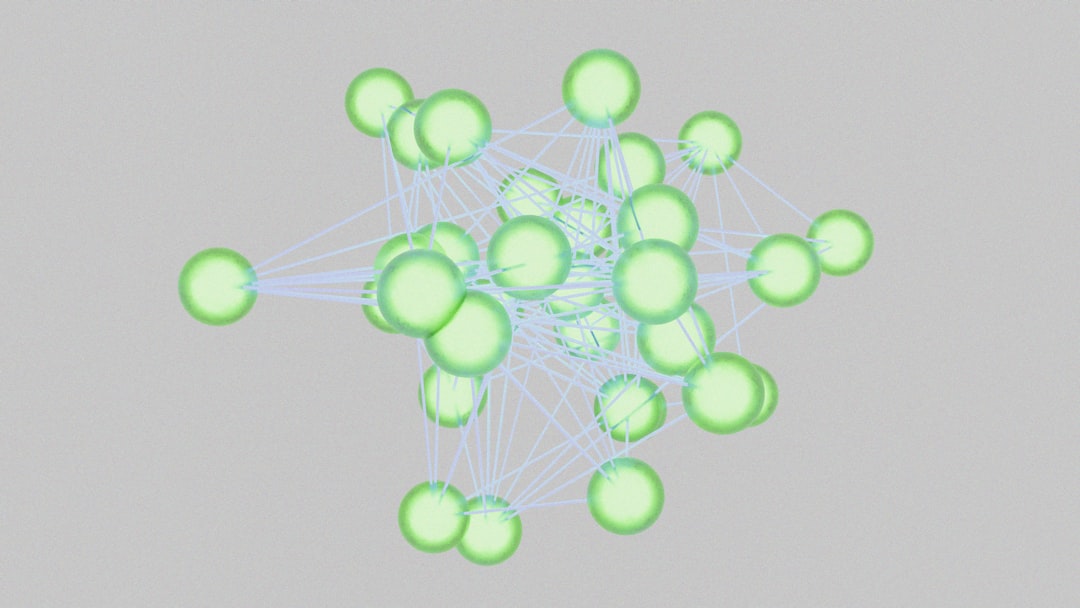
Studying has traditionally been a solo activity, but collaborative tools have redefined group learning. Digital mind mapping platforms allow students to visually organize ideas and build concept diagrams together in real time.
Features often include:
- Real-time editing among multiple users
- Visual hierarchy building for complex topics
- Brainstorming frameworks for structured thinking
Mind mapping turns abstract information into visual relationships. Seeing how ideas connect improves both comprehension and memorization.
Why it fundamentally changes studying: Visual structure accelerates understanding. Collaboration also exposes students to alternative interpretations, strengthening mastery through discussion.
Comparison Chart of the Top 5 Tools
| Tool | Primary Benefit | Best For | Impact on Learning |
|---|---|---|---|
| AI Study Assistants | Instant explanations and quizzes | Concept clarification | Accelerates understanding |
| Spaced Repetition Systems | Optimized memory retention | Exam preparation | Strengthens long-term recall |
| Focus Tools | Distraction blocking | Deep work sessions | Improves concentration |
| Digital Note Systems | Organized knowledge storage | Research-heavy courses | Enhances retrieval and structure |
| Mind Mapping Tools | Visual knowledge linking | Group study | Improves comprehension and collaboration |
Why These Tools Matter Together
Individually, each tool offers powerful advantages. Combined, they create a comprehensive study ecosystem:
- AI clarifies concepts.
- Spaced repetition locks them into memory.
- Focus tools protect attention during study sessions.
- Digital notes organize knowledge cohesively.
- Mind maps connect everything visually.
This layered structure eliminates inefficiencies that once dominated studying. Students move from confusion to clarity, from exposure to retention, and from isolated facts to interconnected understanding.
Perhaps most importantly, these tools foster active learning. Instead of passively rereading material, learners now generate answers, solve problems, visualize relationships, and test themselves continuously. Active engagement strengthens neural connections and builds durable knowledge.
Final Thoughts
The future of studying is not about longer hours—it is about smarter systems. Students who leverage these five tools gain a measurable advantage in retention, comprehension, and productivity. While discipline and consistency still matter, technology now amplifies human effort in unprecedented ways.
Education has entered a new era. Those who adapt to these innovations transform studying from a stressful obligation into a strategic, optimized process designed for success.
Frequently Asked Questions (FAQ)
1. Are AI study assistants a replacement for teachers?
No. They supplement instruction by offering instant clarification and practice opportunities. Teachers provide guidance, mentorship, and context that AI cannot replicate.
2. How long does spaced repetition take to show results?
Many learners notice improved recall within a few weeks. The greatest benefits appear over months, as repeated intervals strengthen long-term memory.
3. Do distraction blockers actually improve grades?
They improve focus, which directly impacts comprehension and retention. While they do not guarantee higher grades, they significantly increase productive study time.
4. Is digital note-taking better than handwritten notes?
Both have advantages. Digital systems excel in organization and searchability, while handwriting may improve initial encoding. Many students combine both methods.
5. Are mind mapping tools useful for technical subjects?
Yes. They are particularly effective for mapping processes, formulas, and cause-effect relationships in subjects like science, engineering, and economics.
6. Should students use all five tools at once?
Not necessarily. It is best to start with one or two tools that address immediate challenges, then gradually integrate others for a complete study system.
