
The Technology Behind Real-Time Dealer Streams That Feel Instant
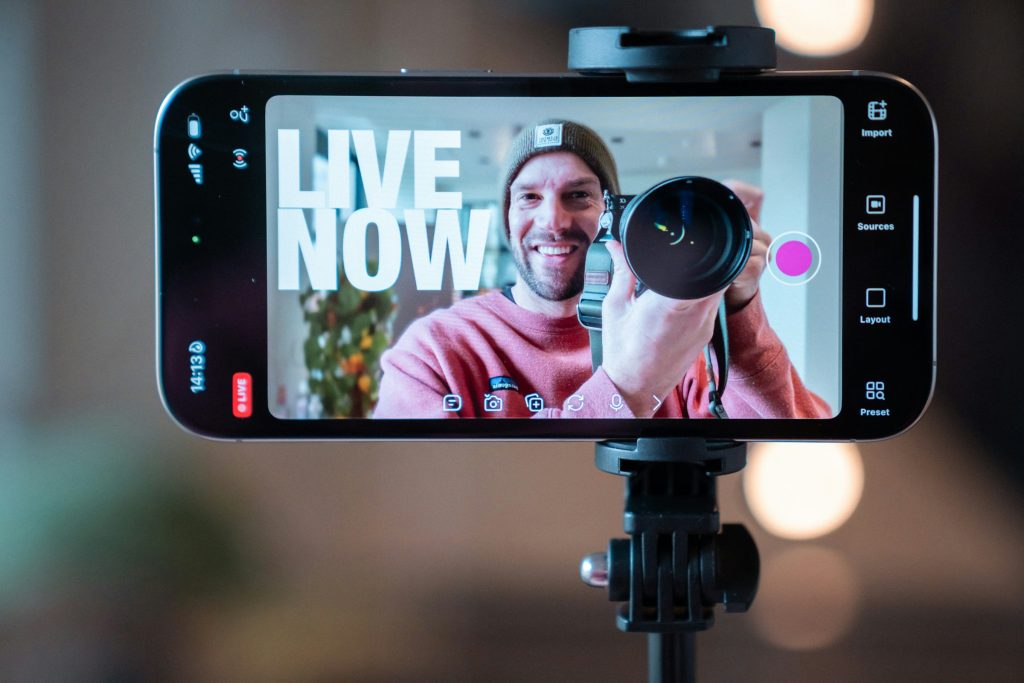
The difference between a smooth dealer stream and one that feels slightly detached usually comes down to timing, not just picture quality. In real-time table video, every camera cut, card reveal, and response window depends on how quickly the feed is captured, compressed, delivered, and rendered on the player’s screen. That is why dealer-led formats are such a useful technology example. They make invisible streaming decisions easy to notice because the audience is following live motion, human pacing, and rapid visual change at the same time.
Engineers often frame this as perceived quality rather than raw resolution. A stream can look sharp and still feel off if delay builds between capture and playback, or if motion becomes uneven at the wrong moment. Research on perceptual video quality assessment helps explain why. People do not judge a moving video the way they judge a still image. They respond to continuity, timing, motion stability, and how naturally the picture behaves when something important is happening.

Why Live Dealer Tables Make Stream Quality Easier to See
Streaming quality becomes easier to understand when the content is built around human timing rather than passive viewing. In a recorded video, a brief delay or soft transition can pass without much notice. In a dealer-led environment, those same small shifts stand out more clearly because the viewer is following a real person, real objects, and a sequence that unfolds in the moment. A card is placed, a hand is revealed, the camera changes angle, and the player is still mentally tracking each step as it happens. That makes live dealer formats especially useful for explaining streaming technology, because responsiveness is not hidden in the background. It shapes the whole feel of the experience.
That is where this selection of live blackjack becomes such a great example. The category is dedicated specifically to blackjack with real dealers, and the page presents a broad mix of table options, full-HD streaming, mobile compatibility across phones and tablets, and well-known live casino providers. From a technology perspective, this creates a strong real-world environment for observing how a live stream holds together under different conditions. Faster tables place more pressure on low-latency delivery and quick visual updates. Slower-paced tables put more emphasis on continuity, clarity, and consistent camera timing. Because the format is structured around live dealing rather than passive playback, live blackjack gives readers a concrete setting where the connection between stream performance and user experience is easy to see.
It also shows why stream quality is never just about sharp visuals. A stream can look clean and still feel slightly out of rhythm if camera switching lands too late, if motion loses smoothness, or if mobile adaptation reduces readability on a smaller screen. In a format like live blackjack, those differences become more visible because viewers are reading small visual details while following the pace of the table in real time. A stream that remains clear on desktop, stable on mobile, and visually coherent through dealer actions is showing that the underlying system is doing its job well.
That is what makes this category so useful in a technology discussion. It turns abstract ideas like compression, bitrate adaptation, and delivery timing into something readers can recognize immediately through direct observation.
Camera Logic Carries More Weight Than Most People Assume
Camera switching is often treated as a presentation detail, but in a real-time dealer environment, it does real technical work. A close shot of the cards, a stable table view, and a clean return to the main interface each help the viewer track state changes without friction. When those transitions arrive at the right moment, the stream feels natural. When the image softens during a key reveal or the switch lands a beat late, the stream can still play without ever feeling fully immediate.
That is where encoding strategy matters. Systems are constantly balancing competing goals: preserve detail, avoid interruption, recover from network fluctuation, and keep delay low enough that human pacing still feels intact. The strongest streams do not simply chase maximum sharpness. They protect the parts of the image that matter most when motion, legibility, and timing are all under pressure.
Why Mobile Playback Reveals the Real Engineering
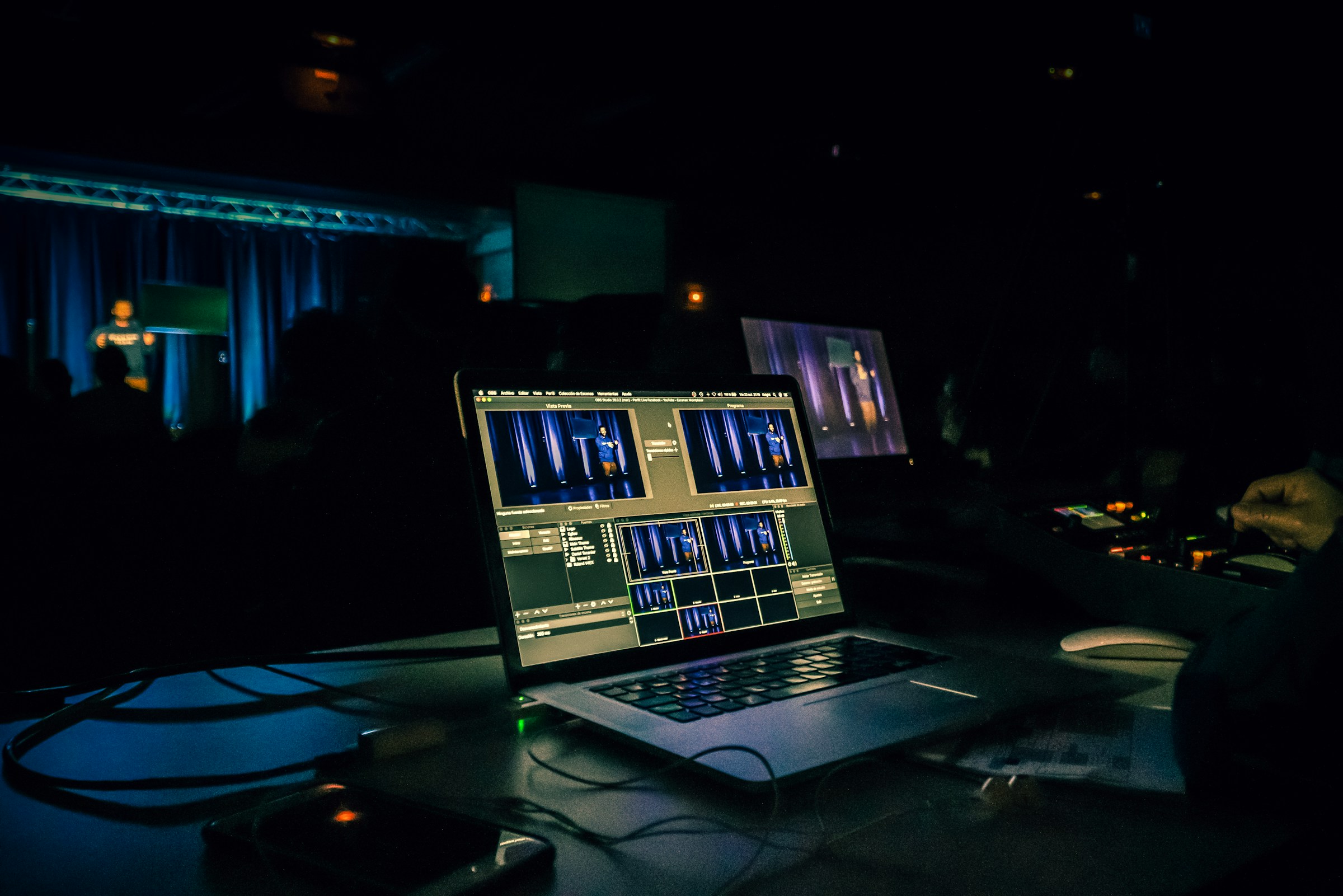
One helpful way to think about the chain is in four stages: capture, encode, deliver, and render. Capture decides how cleanly the live scene is recorded. Encode decides how efficiently that scene is compressed for transport. Delivery decides how well the stream survives changing network conditions. Render decides how quickly the viewer’s device turns that data back into a stable image. If any stage falls behind, the viewer feels it almost immediately during live table action.
Mobile viewing is often the most honest test of a live stream. Phones switch between networks, compete with background activity, and compress the entire visual field into a much smaller display. If a dealer-led stream still feels clear and responsive there, the delivery system is probably doing several things right at once.
Three factors usually matter most:
- Segment sizing that keeps delay manageable
- Adaptive bitrate behavior that reacts quickly without overcorrecting
- Player logic that preserves continuity when bandwidth shifts
The point is not that one technical choice solves everything. It is that smooth real-time video depends on several small decisions working together. When that happens, the viewer’s focus stays on the dealer, the pace, and the table flow, rather than the transport logic underneath. A recent study on low-latency streaming algorithms and quality of experience reinforces the same idea. Better live video is rarely about one headline metric. It is about maintaining a responsive, stable, readable stream all the way to the screen.