
Signal Lights: Traffic Infrastructure Tech

Every driver, pedestrian, or cyclist in a modern city is familiar with the colorful glow of traffic signal lights—those red, yellow, and green beacons that maintain order on bustling streets. While often overlooked, signal lights are a fundamental part of traffic infrastructure and engineering, evolving significantly over the decades. Let’s dive into the dynamic world of signal lights and explore how this humble technology coordinates urban mobility and is now on the cusp of intelligent transformation.
TL;DR
Signal lights are more than just red, yellow, and green—they’re critical tools for regulating traffic flow and reducing accidents. Originally mechanical, these systems have evolved into smart, sensor-based technologies using AI, cameras, and timers. New advancements promise increased efficiency, especially in high-density urban areas. This article examines past inventions, current innovations, and the future of signal control systems.
Understanding the Basics: What Are Signal Lights?
Traffic signal lights, also known as traffic control signals, manage the right-of-way at road intersections, pedestrian crossings, and other junctions using a system of red, yellow (amber), and green lights.
Each color has a universal meaning:
- Red: Stop and wait
- Yellow: Caution—the signal is about to change
- Green: Proceed in the direction indicated
This intuitive color scheme facilitates smooth vehicular and pedestrian movement, contributing to safety and coordination in increasingly congested urban environments.
The History of Traffic Signal Lights
While modern traffic lights became commonplace in the 20th century, the first traffic signal was installed in London in 1868, and it was manually operated with gas-powered lights. Unfortunately, it exploded shortly after installation, leading to a long pause in development.
The first electric traffic light system appeared in 1914 in Cleveland, Ohio, and it resembled what we use today. Ever since, the systems have grown more sophisticated.
Significant historical milestones include:
- 1920s: Introduction of automatic electric signals in major US cities
- 1950s-60s: Emergence of interconnected signal systems
- 2000s–present: Smart signals equipped with sensors, AI, and adaptive control
The function of traffic lights has remained the same over the decades, but the underlying technologies have dramatically evolved.

Modern Technologies Behind Signal Lights
Today’s traffic signal systems are high-tech marvels that integrate multiple disciplines such as electrical engineering, computer science, and urban planning.
Key technological features in modern signal lights include:
- Induction loop detectors: Buried sensors detect vehicles waiting at intersections, helping optimize signal timing.
- Connected systems: Traffic lights communicate with a central control system to allow city-wide traffic optimization.
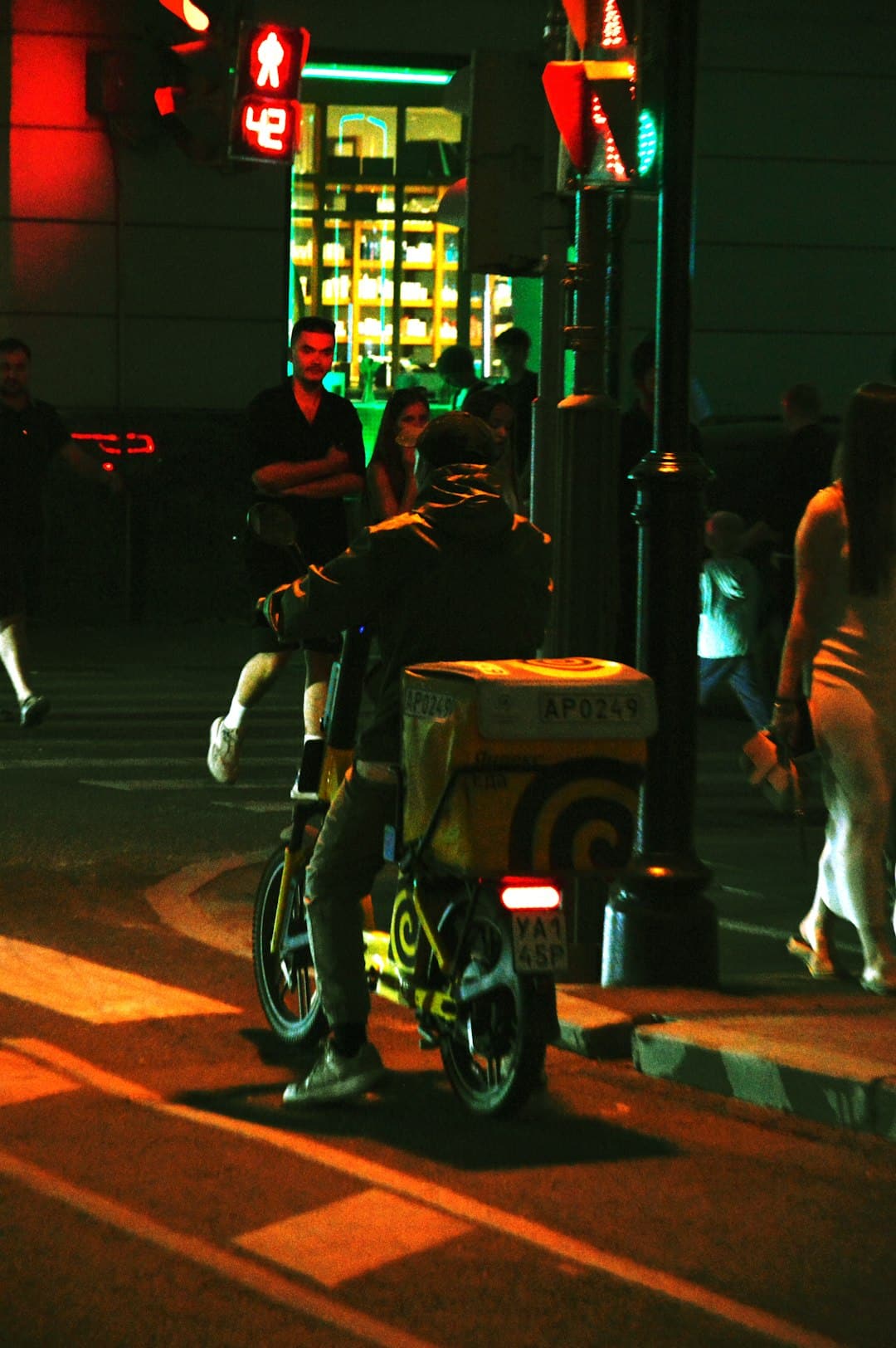
- Countdown timers: Provide real-time updates for drivers and pedestrians on when lights will change.
- Cameras and AI: Cameras can detect traffic flow and feed information to AI algorithms that adjust timing dynamically.
- Pedestrian touch and voice systems: Facilitate accessibility for those with disabilities, including audible cues for visually impaired pedestrians.
These tools work in harmony to create adaptive traffic systems that optimize flow based on real-time data. Cities like Los Angeles and Singapore already leverage these systems to combat traffic congestion effectively.
The Role of AI and Smart Infrastructure
Artificial intelligence plays a growing role in the optimization of traffic signals. By analyzing patterns, traffic volume, and even weather conditions, AI-driven systems can reduce waiting times and improve energy efficiency.
Advantages of smart signal lights include:
- Dynamic traffic flow control: Real-time adjustments mean shorter waits during low volume periods.
- Reduced emissions: Efficient traffic flow reduces engine idling time, cutting down CO₂ emissions.
- Emergency vehicle prioritization: Smart signals can detect ambulances or fire trucks and give them priority passage through busy intersections.
- Bicycle and pedestrian prioritization: Some smart intersections adjust timings when heavy foot or bike traffic is detected.
This evolution transforms signal lights from passive indicators into active traffic management tools.
Challenges in Implementing Advanced Signal Lights
Despite the clear benefits, deploying smart signal infrastructure isn’t without challenges:
- High costs: Installing smart systems, sensors, and control networks can be expensive, especially in older cities with historic infrastructure.
- Interoperability: Different traffic systems and cities might use incompatible software or protocols.
- Privacy concerns: Cameras and data collection raise questions about how vehicle and pedestrian data is used or stored.
- Maintenance: With greater complexity comes a higher risk of technical failures and the need for specialized maintenance personnel.
Governments have to balance long-term gains with short-term financial and logistical constraints when implementing these upgrades.
Global Case Studies: Smart Signal Lights in Action
1. Los Angeles, USA – As one of the earliest adopters of an intelligent traffic control system, LA has interconnected nearly all its 4,500 traffic signals. This system improves synchronization and dynamically adjusts to traffic patterns, helping the city better manage its infamous congestion.
2. Amsterdam, Netherlands – Amsterdam leverages a bicycle-friendly smart traffic system that prioritizes bike and pedestrian flows over cars. Sensors embedded in bike paths communicate with traffic lights to reduce stop time for bikes during peak hours.
3. Hangzhou, China – Using AI developed in partnership with Alibaba’s City Brain, Hangzhou has seen significant reductions in traffic jams. The system monitors all city traffic in real-time and optimizes signals to prevent bottlenecks before they form.
Image not found in postmetaFuture Outlook: Intelligent, Connected, and Autonomous
Signal lights are headed toward further innovation, especially as they begin to interact with autonomous vehicles and the broader Internet of Things (IoT) infrastructure.
Emerging trends include:
- Vehicle-to-Infrastructure (V2I) communication: Traffic signals will soon “talk” directly to vehicles to improve safety and anticipate movement.
- App-based integration: Signals synced with navigation apps could offer optimal routes or dynamically suggest detours based on red-light durations.
- Decentralized control: AI systems within vehicles and intersections might collaborate on-the-fly without centralized systems.
Experts agree that as autonomous vehicles become commonplace, signal systems will adapt accordingly, either becoming more complex or simplified entirely depending on the cars’ capabilities to self-regulate their flow.
Conclusion
Signal lights, humble as they may appear, play a complex and vital role in our cities. What started as simple mechanical devices have evolved into cornerstones of smart city planning and real-time traffic management. As we move into an increasingly digitized and autonomous future, signal lights are poised to become even smarter, more connected, and far more impactful.
With advances in AI, sensor technology, and global infrastructure investment, tomorrow’s traffic light will be far more than a mere color-coded instruction—it will be an active participant in orchestrating the symphony of modern mobility.
