
Samsung Galaxy Y GSM: A Look Back at a Classic

In an era where smartphones are evolving at lightning speed, it’s easy to forget the humble beginnings that paved the way for today’s powerful pocket computers. One such unsung hero in the family of Android smartphones is the Samsung Galaxy Y GSM. Also known by its model number GT-S5360, this compact device may not have had the muscle to match present-day flagships, but its role in making smartphones accessible to the masses is nothing short of monumental.
TL;DR
The Samsung Galaxy Y GSM was an entry-level Android smartphone that debuted in 2011, offering affordability, basic features, and a solid introduction to smartphone essentials. It ran on Android 2.3 Gingerbread and featured a compact 3-inch touchscreen, making it ideal for first-time smartphone users. While underpowered by today’s standards, its simplicity, robustness, and budget-friendly nature made it a popular choice during its time. This look back celebrates the Galaxy Y as a classic stepping stone in mobile technology history.
A Glimpse Into 2011: The Smartphone Landscape
The year was 2011. Apple had just released the iPhone 4S, Android was maturing rapidly, and flagship smartphones were starting to push the boundaries of performance. Yet, there still remained a vast market segment—students, emerging markets, elderly users—who needed a cost-effective and simple smartphone option. Samsung saw this opportunity and introduced the Samsung Galaxy Y, with the “Y” standing for “Young,” aimed squarely at first-time users.

Specifications That Mattered
Though the Galaxy Y didn’t have the specs to wow power users, it was packed with just enough hardware to offer a full Android experience at a budget price.
- Display: 3.0-inch TFT capacitive touchscreen with a resolution of 240 x 320 pixels
- Processor: 832 MHz single-core CPU
- RAM: 290 MB
- Internal Storage: 180 MB (expandable via microSD up to 32 GB)
- Operating System: Android 2.3.6 Gingerbread
- Battery: Removable 1200 mAh battery
- Camera: 2 MP fixed-focus rear camera
- Connectivity: GSM 850 / 900 / 1800 / 1900, 3G, Wi-Fi, Bluetooth 3.0
Why did these specs matter? Because they offered the essential smartphone features—calling, browsing, basic gaming, media playback, and social media—for a fraction of the cost of high-end devices. Though it didn’t support 4G or high-definition video, it handled its daily tasks with admirable efficiency.
Design: Small, Sturdy, and Practical
The Galaxy Y featured a compact design with a modest 3-inch screen, a single physical home button, and capacitive back and menu buttons. The plastic body was light but sturdy, making it unofficially “drop resistant” thanks to its low weight and durable build. It was available in several colors, including grey, white, pink, and metallic shades, which appealed to younger users, in line with its target demographic.
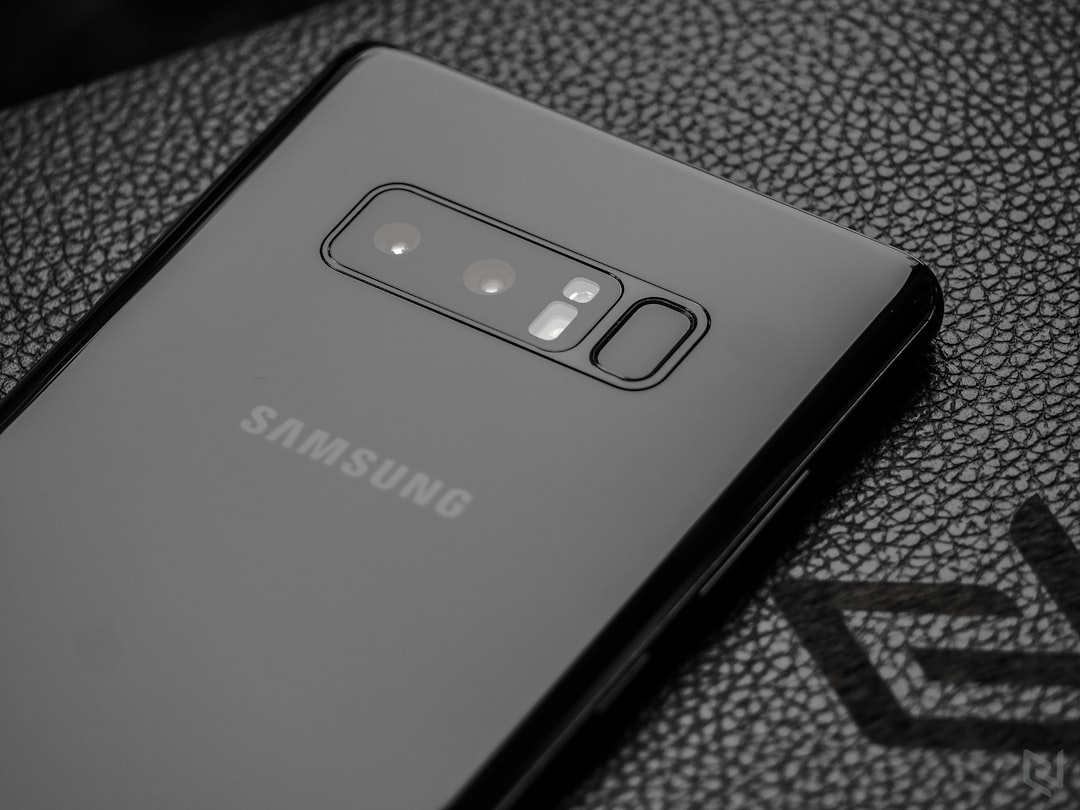
For many people, the small design was actually a bonus — it made the phone highly portable and easy to use one-handed, which was a valuable feature not always found in larger phones. Many users appreciated the textured back cover that offered a secure grip, preventing accidental drops.
Performance and User Interface
Despite its modest hardware, the Galaxy Y ran Android 2.3 Gingerbread relatively smoothly. Samsung layered its own UI on top, known as TouchWiz, providing custom icons, a dialer, and home screen experience optimized for low-spec devices.
Tasks such as texting, using apps like WhatsApp, checking emails, or even light web browsing were easily handled by the phone. However, it did struggle with multitasking and heavy apps, which was expected given its limited RAM and processor capabilities. Still, it was more than enough for a user making the jump from feature phones to smartphones.
Apps and Ecosystem: Affordability Meets Usability
Part of the Galaxy Y’s appeal lay in its access to the Android Market (now Google Play Store). Users could download a wide range of apps, including:
- Social networking apps like Facebook and Twitter
- Messaging tools such as WhatsApp and Viber
- Simple games like Angry Birds and Temple Run
Though limited by screen size and internal storage, the microSD support allowed users to store their music, photos, and some apps on a memory card. This flexibility greatly enhanced the phone’s lifespan and usability.
The Galaxy Y in Emerging Markets
Samsung smartly targeted emerging markets with the Galaxy Y, offering localized content, language support, and region-specific apps. In countries in Asia, Africa, and South America, the Galaxy Y became a go-to device for young adults, students, and even professionals looking for a secondary smartphone.
Its low price point also made it a feasible first smartphone for users transitioning from basic mobile phones. It taught many users the basics of apps, internet browsing, and mobile communication in a digital world still undergoing rapid transformation.
Legacy and Influence
While the Galaxy Y might seem obsolete today, it holds a significant place in the evolution of Android smartphones. Its popularity helped Samsung solidify its position in the smartphone market, particularly in the budget segment, and laid the groundwork for future best-sellers like the Galaxy J series and Galaxy A series.
Here’s what made the Galaxy Y memorable and impactful:
- Affordability: At launch, its price was under $150, making it accessible to the masses.
- Simplicity: It provided a clean, usable Android experience with minimal complications.
- Durability: It stood the test of everyday wear and tear.
- Expandability: With microSD and removable battery features, it was a practical device long before those features began disappearing from phones.
What Users Loved (and Hated)
Here’s what users commonly appreciated:
- Lightweight and portable design
- Excellent battery life for light users
- Straightforward, user-friendly interface
Common complaints included:
- Lag during multitasking
- Low-resolution display and camera
- Lack of official Android updates beyond Gingerbread
Despite these limitations, most users acknowledged that the phone offered tremendous value for its price. For many, the Galaxy Y was not only their first smartphone but a gateway to the digital world.
Conclusion: A Milestone in Mobile History
In the grand scheme of mobile technology, the Samsung Galaxy Y GSM might not stand out for its technical specs or design innovation. But in the hearts of users who first experienced the joy of mobile apps, digital photos, and online chatting thanks to this humble device, the Galaxy Y earns its rightful place as a classic.
It represented a critical move toward democratizing access to smartphone technology. Affordable, practical, and reliable, the Galaxy Y was more than a product; it was a movement—opening up the smartphone experience to millions.
Looking back, it’s amazing to reflect on how far we’ve come, but devices like the Galaxy Y remind us that the future was built on the simple brilliance of phones like these.
