
How Small Tech Startups Increased Productivity by 45% Using AI Tools

Small tech startups are famous for moving fast. But they are also famous for being short on time, money, and people. In the past few years, something changed. Artificial Intelligence tools became cheaper, smarter, and easier to use. Many small startups jumped in. The result? Some reported productivity boosts of up to 45%. That is not magic. It is smart use of the right tools.
TL;DR: Small tech startups increased productivity by up to 45% by using simple AI tools for coding, customer support, marketing, and project management. They automated repetitive tasks, reduced human error, and helped small teams focus on high-value work. AI did not replace people. It amplified them. The smartest teams used AI as a co-pilot, not a replacement.
Why Startups Needed a Boost
Startups live in survival mode. Every hour counts. Every dollar matters. Teams are small. Deadlines are tight. Competition is brutal.
Before AI tools became common, startup teams often:
- Spent hours writing repetitive code
- Answered the same customer questions again and again
- Manually sorted data in spreadsheets
- Wrote marketing emails from scratch every week
- Struggled to keep track of tasks
This created stress. It also slowed growth. Founders realized they were spending too much time on low-value work. They needed help. But they could not afford to hire 10 more people.
That is where AI tools entered the picture.
AI as a Coding Assistant
Many startups are software companies. Writing code is their core activity. But coding takes time. Even simple features can consume days.
AI-powered coding assistants changed this.
Developers started using tools that:
- Auto-complete code in real time
- Suggest entire functions
- Spot bugs instantly
- Generate test cases automatically
This saved hours each week. Some teams reported that development cycles became 30% faster. Bugs were fixed quicker. Code reviews became smoother.
One startup founder explained it simply. “It feels like every developer now has a junior assistant working 24/7.”
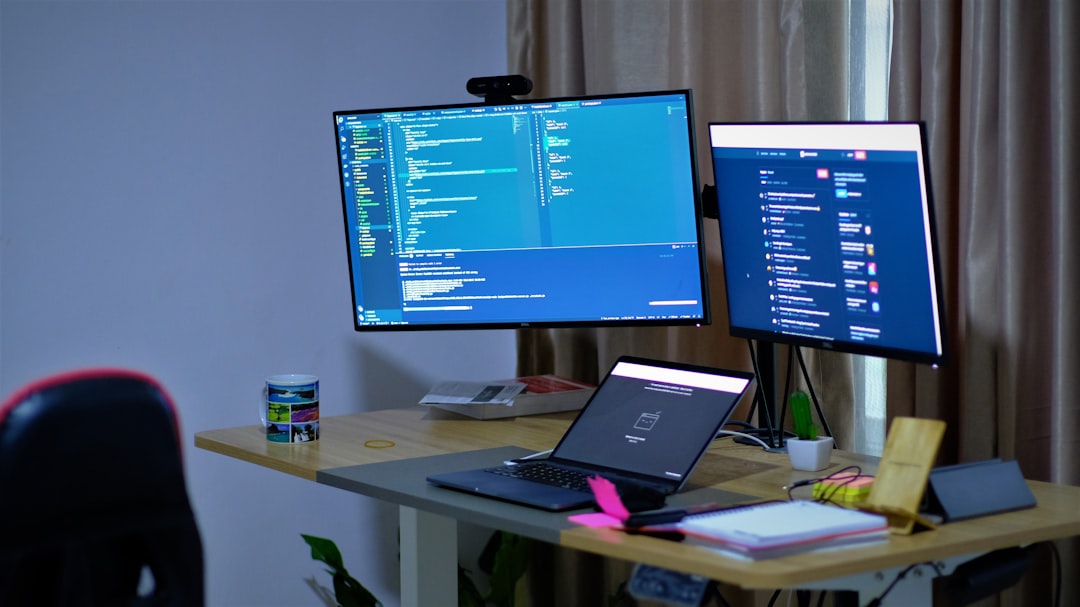
But the key was not blind trust. Developers still reviewed everything. AI produced drafts. Humans made decisions. That balance kept quality high.
Smarter Customer Support
Customer support is essential. But it is repetitive. Many questions are the same. Password resets. Pricing details. Feature explanations.
Startups began using AI chatbots trained on their own documentation.
The impact was huge:
- Instant responses 24/7
- Reduced support tickets by up to 40%
- Faster resolution times
- Happier customers
This did not mean human agents disappeared. Instead, they handled complex cases. Emotional issues. High-value clients. Special requests.
AI filtered the noise. Humans handled the nuance.
One SaaS startup reduced its support team’s workload by 35%. They did not fire anyone. Instead, they reassigned team members to onboarding and customer success. This increased retention rates.
Marketing That Writes Itself
Marketing is time-consuming. Blog posts. Emails. Social media updates. Ad copy. SEO descriptions.
Small startups rarely have large marketing teams. Sometimes it is just one person.
AI writing and design tools became a game changer.
- Blog outlines generated in seconds
- Email campaigns drafted in minutes
- Social media captions auto-created
- Ad variations tested quickly
This did not replace creativity. It sped up experimentation.
Instead of taking three days to prepare one campaign, startups could test five ideas in the same time. They optimized faster. They learned faster.
Data analysis tools also helped. AI tracked user behavior. It suggested the best time to send emails. It identified which audience segments converted best.
The result? More output. Better results. Less exhaustion.
Automating Repetitive Admin Work
Administrative work is necessary. But it drains energy.
Think about tasks like:
- Scheduling meetings
- Transcribing calls
- Summarizing long documents
- Organizing invoices
- Updating CRM systems
AI tools automated much of this.
Meeting assistants recorded video calls. They generated summaries. They highlighted action items. No more messy notes. No more forgotten tasks.
Document tools summarized 20-page reports into 5 bullet points. Founders saved hours every week.
Accounting tools categorized expenses automatically. Fewer errors. Faster reporting.
When you add up 30 minutes saved here and one hour saved there, it becomes significant. Across a 10-person team, that can mean dozens of productive hours per week.
Better Project Management
Startups move fast. But chaos kills speed.
AI-enhanced project management tools started predicting delays. They flagged overloaded team members. They suggested priority changes.
Instead of reacting late, teams responded early.
Some tools analyzed past sprint data. They estimated how long tasks would actually take. This improved planning accuracy.
Missed deadlines dropped. Team stress decreased. Transparency improved.

One startup reported that after integrating AI planning tools, project completion times improved by 20%. That directly affected revenue. Features launched sooner. Customers paid earlier.
Data-Driven Decisions for Everyone
In the past, data analysis required specialists. Now, AI dashboards translate complex data into simple insights.
Startup teams began asking plain questions like:
- “Why did churn increase last month?”
- “Which feature drives the most engagement?”
- “What pricing tier performs best?”
The AI tool analyzed data and provided clear answers. Even non-technical team members could understand trends.
Better decisions were made faster. Guesswork decreased. Meetings became shorter and more focused.
The Real Reason Productivity Jumped 45%
The 45% boost did not come from one single tool. It came from stacking small improvements.
Here is how it added up:
- 15% faster development cycles
- 10% less time spent on support issues
- 8% better marketing efficiency
- 7% less admin overhead
- 5% improved planning and execution
Individually, these numbers look modest. Together, they transform a company.
Teams stopped drowning in busywork. They focused on building better products. They experimented more. They listened to customers more closely.
Common Mistakes Startups Avoided
Not every startup succeeded with AI. The successful ones avoided common traps.
1. They did not automate everything at once.
They started small. One tool. One process. Then they expanded.
2. They trained their teams.
AI tools are powerful. But they require guidance. Teams learned how to write better prompts. They learned how to verify outputs.
3. They kept humans in control.
Critical decisions were never fully automated. AI supported. Humans approved.
4. They measured results.
They tracked time saved. They compared sprint speeds. They monitored output.
The Cultural Shift
Perhaps the biggest change was cultural.
Startups began seeing AI not as a threat, but as a teammate.
This shift reduced fear. It encouraged experimentation. Team members became curious. They shared prompts. They discovered shortcuts. They helped each other improve workflows.
Instead of saying, “That’s my job,” people said, “How can AI help us do this better?”
This mindset created momentum.
What This Means for the Future
If small startups can increase productivity by 45%, imagine what is possible next.
We are still early in the AI adoption curve. Tools are improving every month. Integration is becoming smoother.
Future possibilities include:
- Fully automated testing environments
- AI-driven product design prototypes
- Predictive hiring tools
- Smarter financial forecasting
Small teams will compete with larger companies more effectively. Speed will become their superpower.
Final Thoughts
The story of AI in startups is not about robots replacing people. It is about people working smarter.
Small tech startups increased productivity by 45% because they removed friction. They automated repetitive tasks. They empowered their teams. They made better decisions faster.
They did not work longer hours. They worked better hours.
That is the real secret.
In the end, AI became the ultimate startup tool. Not flashy. Not scary. Just practical and powerful.
And for small teams chasing big dreams, that makes all the difference.
