
From Concept to Identity: The Process Behind Effective Logo Design

A logo is far more than a decorative symbol perched at the top of a website or printed on business cards. It is the visual cornerstone of a brand’s identity, the shorthand through which audiences recognize, remember, and relate to a company. Behind every effective logo lies a deliberate, thoughtful process that transforms abstract ideas into meaningful visual form. Understanding this journey—from concept to identity—reveals why great logo design is both an art and a strategic discipline.
TLDR: Effective logo design is a structured process that begins with research and strategic thinking before moving into sketching, refinement, and testing. Designers translate a brand’s core values into visual elements such as color, typography, and symbol. Iteration and feedback are essential to ensure clarity, scalability, and memorability. The result is not just a graphic, but a cohesive identity foundation that supports long-term brand recognition.
The Foundation: Understanding the Brand
The process begins long before a single line is drawn. An effective logo is rooted in deep understanding. Designers must first immerse themselves in the brand’s world, asking essential questions:
- What is the company’s mission and vision?
- Who is the target audience?
- What emotions should the brand evoke?
- How does the company differentiate itself from competitors?
This discovery phase often involves stakeholder interviews, competitor audits, market research, and brand workshops. The goal is to uncover the core essence of the brand—its personality, tone, and positioning. A playful children’s brand will require a radically different visual treatment than a law firm or a tech startup focused on cybersecurity.
Without this strategic grounding, a logo risks becoming visually appealing but strategically empty. Design decisions must be intentional, not arbitrary.
From Insights to Conceptual Direction
Once research is complete, designers synthesize insights into conceptual direction. This involves translating intangible brand attributes into visual possibilities. For example:
- Trust may be reflected in stable shapes and conservative typography.
- Innovation might inspire dynamic forms and unconventional layouts.
- Sustainability could lead to organic shapes and natural color palettes.
At this stage, mood boards are often created to explore color schemes, typography styles, imagery cues, and textures that align with the brand’s identity.
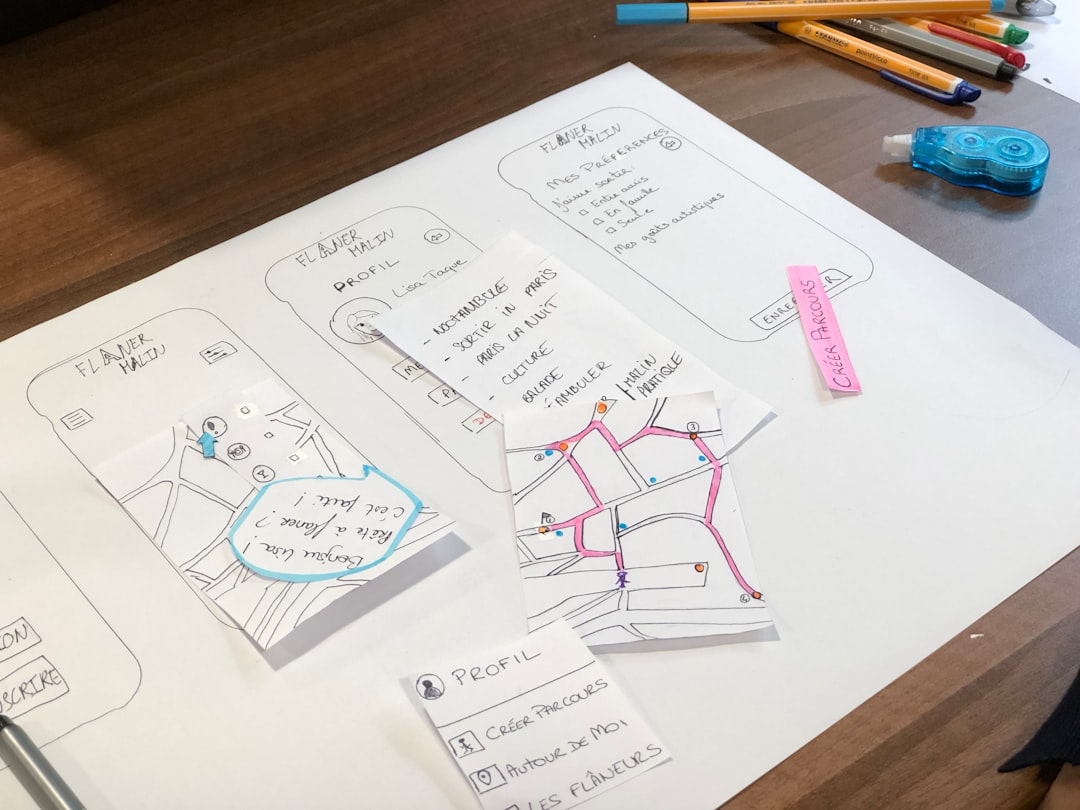
Mood boards act as a bridge between abstract strategy and tangible design. They ensure alignment between clients and designers before visual exploration begins in earnest.
Sketching: Where Ideas Take Shape
With clarity of direction established, designers begin sketching. This is one of the most crucial phases of the process. Sketching encourages freedom and experimentation without the constraints of software tools. Rapid iteration allows designers to explore dozens—sometimes hundreds—of rough concepts.
During this phase:
- No idea is dismissed too quickly.
- Quantity often leads to quality through refinement.
- Conceptual strength is prioritized over aesthetic polish.
Strong logo concepts tend to embody simplicity and distinctiveness. They aim to answer one key question: Is this idea memorable and meaningful?
Simplicity, however, does not mean lack of depth. The most effective logos often contain layers of meaning that subtly reinforce brand messaging.
Digitization and Refinement
After promising sketches are selected, the design moves into digital refinement. Using vector-based software ensures the logo can scale from tiny app icons to large billboards without losing clarity.
Choosing the right design tools is an important part of this stage. At this point, designers may also explore modern alternatives to Figma to find tools that better suit their workflow, collaboration needs, or specific project requirements, ultimately improving efficiency during digital execution.

During digital development, designers focus on precision:
- Proportions: Balanced spacing and consistent alignment.
- Typography: Custom letterforms or carefully selected typefaces.
- Color: Strategic palette choices that evoke psychological responses.
- Scalability: Ensuring legibility at all sizes.
Every curve, angle, and spacing decision matters. Minor adjustments can dramatically influence how a logo feels—whether harmonious or awkward, stable or tense.
The Psychology of Color and Form
Color theory plays a crucial role in effective logo design. Different hues evoke specific emotional responses:
- Blue: Trust, stability, professionalism.
- Red: Energy, urgency, passion.
- Green: Growth, health, sustainability.
- Black: Sophistication, authority, elegance.
Shape psychology is equally important. Circles can suggest unity and friendliness. Squares and rectangles often communicate reliability and structure. Triangles may imply motion, progress, or innovation.
Typography, too, carries emotional weight. Serif fonts may evoke tradition and credibility, while sans-serif fonts often appear modern and approachable. Custom type treatments can strengthen uniqueness and memorability.
When these elements align harmoniously, they create a cohesive visual language that reinforces brand identity.
Testing and Real-World Application
A logo does not exist in isolation. It must function across numerous contexts: websites, social media, packaging, signage, merchandise, and more. Designers test logos in real-world mockups to assess versatility.
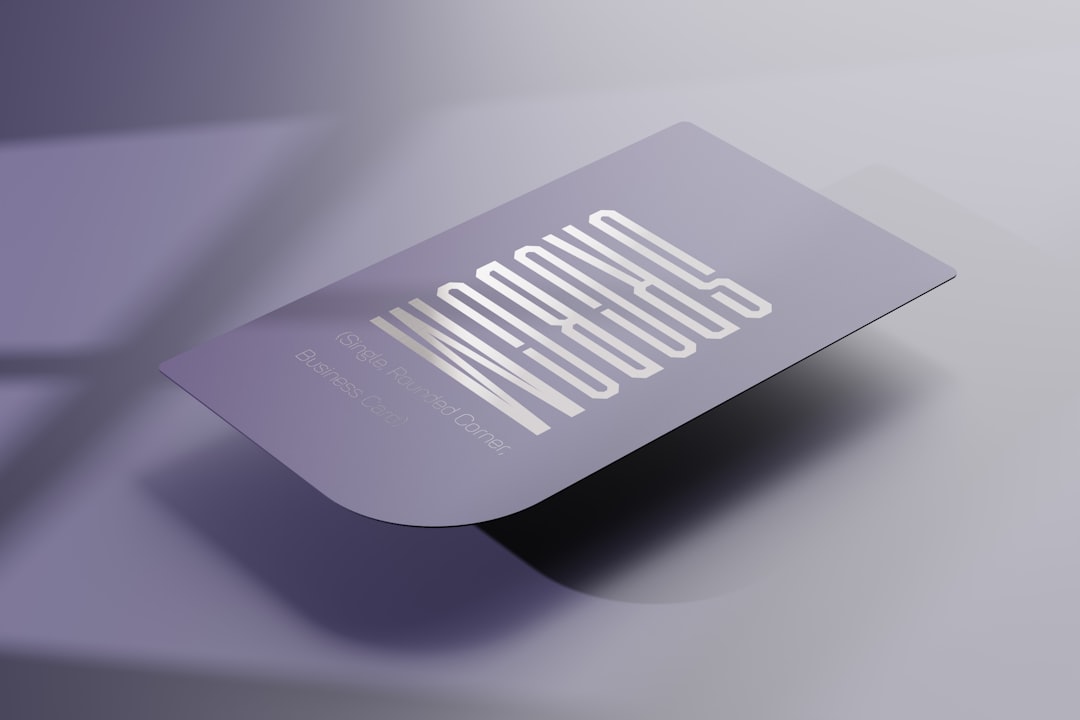
Key considerations during testing include:
- Does the logo remain clear in black and white?
- Is it legible at very small sizes?
- Does it maintain impact on both light and dark backgrounds?
- How does it appear in motion for digital environments?
This stage often reveals weaknesses that were not obvious during the design phase. Adjustments are made to optimize flexibility and longevity.
Feedback and Iteration
Collaboration and feedback play a critical role in refining a logo. Stakeholders may provide new insights or identify potential misalignments with brand strategy. Constructive critique helps strengthen the final outcome.
However, effective designers balance client input with strategic reasoning. Changes should enhance alignment with the brand’s goals, rather than dilute conceptual integrity.
Iteration is not a sign of failure—it is a vital step toward clarity and excellence.
Finalization and Brand Integration
Once the logo is approved, the process extends into broader identity development. A logo alone does not constitute a brand identity; it serves as the anchor for a cohesive visual system.
This stage typically includes:
- Defining color palettes and usage guidelines
- Specifying typography standards
- Establishing spacing and clear space rules
- Creating variations such as icons, horizontal formats, and monochrome versions
A comprehensive brand guideline document ensures consistency across all applications. Consistency builds recognition, and recognition builds trust.
What Makes a Logo Truly Effective?
Across industries and styles, the most effective logos tend to share common characteristics:
- Simplicity: Easy to recognize and reproduce.
- Memorability: Distinctive enough to stand out.
- Relevance: Aligned with the brand’s purpose and audience.
- Timelessness: Not overly dependent on fleeting trends.
- Versatility: Functional across diverse platforms.
A logo does not need to be complex to be powerful. In fact, restraint often leads to stronger visual impact. The ability to distill a brand’s identity into a simple, meaningful mark is the hallmark of masterful design.
The Long-Term Value of Strategic Logo Design
A thoughtfully designed logo contributes to long-term brand equity. Over time, consistent exposure builds associations between the visual mark and customer experiences. When positive interactions reinforce recognition, the logo becomes a symbol of trust and reliability.
Conversely, a poorly conceived logo can hinder brand growth. It may create confusion, diminish credibility, or require costly redesigns. Investing in a strategic process at the outset prevents these downstream challenges.
Conclusion: More Than a Mark
The journey from concept to identity is both analytical and creative. It requires research, empathy, experimentation, and disciplined refinement. An effective logo is not simply designed—it is crafted through a deliberate process that aligns visual expression with strategic intent.
When executed thoughtfully, a logo becomes more than a symbol. It becomes a powerful ambassador for the brand, capable of communicating values, building recognition, and shaping perception at a glance. In a crowded marketplace where attention is scarce, that kind of clarity and resonance is invaluable.
