
Comparing Free vs Affordable SSL Options for Web Security
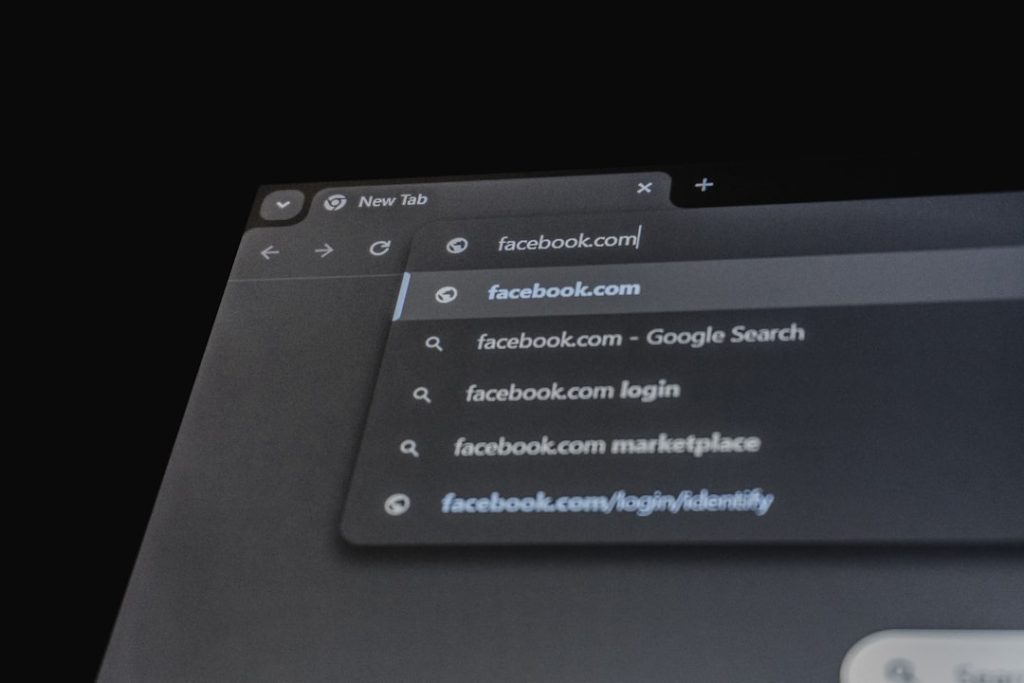
If you’ve ever clicked on a link and landed on a site labeled “Not Secure,” you’ve probably felt that tiny jolt of panic. That’s where SSL certificates come in. An SSL makes sure data between your browser and the website stays private. These certificates come in two popular flavors: free and affordable (paid) options. Let’s help you figure out what’s best for your site.
TLDR (Too Long; Didn’t Read)
Free SSL certificates are perfect for personal sites, blogs, or hobby projects. They offer good security but with fewer features and support. Affordable (paid) SSLs are better for businesses, especially if you’re handling customer data or credit card payments. They come with extra trust signals, warranties, and better customer service.
What Is an SSL Certificate, Anyway?
SSL stands for Secure Sockets Layer. It’s a protocol that encrypts data between the user’s browser and your website. This protects sensitive info like passwords, credit card numbers, and anything else users enter.
When you have SSL, your site shows a little padlock in the URL bar and uses HTTPS instead of just HTTP. That padlock builds trust and is also a big deal for SEO—Google loves secure sites!
Let’s Break It Down: Free vs Affordable SSL
Free SSL Certificates
Free SSLs are awesome for small websites. They don’t cost a dime and are easy to install. But yes, there are limits.
- Providers: Let’s Encrypt is the most popular open source option.
- Great for: Blogs, portfolios, non-commercial projects.
- Validity Period: Usually 90 days. You need to renew regularly.
- Support: Mostly DIY. You’ll be Googling solutions if anything breaks.
- Features: Basic encryption, no warranty or advanced validation.
Affordable SSL Certificates
Paid SSLs might cost you a few bucks a year, but they come stacked with benefits. These are the go-to for eCommerce or any professional site.
- Providers: Comodo, DigiCert, GeoTrust, Sectigo, among others.
- Great for: Online stores, business websites, apps, login-based services.
- Validity Period: 1 year or more. Easy to set-and-forget.
- Support: Top-notch. Email, chat, sometimes phone support.
- Features: Warranty, trust seal, wildcard/domain validation options.
Pros and Cons (Made Simple)
Free SSL
- Pro: $0 cost
- Pro: Quick and easy for basic use
- Con: Manual renewal every 90 days
- Con: No official support
- Con: Less trust for users buying stuff or sharing info
Affordable SSL
- Pro: Comes with warranties (some cover up to $1M!)
- Pro: Better for SEO and brand trust
- Pro: Options like Wildcard, Multi-Domain, EV (Extended Validation)
- Con: Costs usually between $5 – $50+ per year
- Con: A bit more setup if you’re new to websites
When to Choose Free SSL
Free SSL is great if you’re just starting out and your site is simple. Examples:
- Personal blog
- Online resume or portfolio
- Non-profit or small community project
- Local event or informational site
If you don’t handle sensitive info or collect payments, free SSL gets the job done.
When You Need Affordable SSL
If your website involves business, customers, or money, a paid SSL is worth it. Choose this option when:
- You run an eCommerce store
- You handle private customer data
- You need security for multiple subdomains (use a Wildcard SSL!)
- You want an official seal that builds trust

What’s Up With Wildcard and EV SSLs?
Affordable SSLs shine when advanced features are needed.
- Wildcard SSL: Covers your main domain and all its subdomains (like blog.yourwebsite.com or shop.yourwebsite.com).
- EV SSL (Extended Validation): Shows your company name in the browser bar. Super legit. Great for big businesses and banks.
- Multi-Domain SSL (SAN): One cert to rule them all. Secures multiple domains with one certificate.
These aren’t usually available in free options. But they’re gold if you need them.
Installation and Renewal
Here’s where things get real.
Free SSL:
- Can be automatic if using a control panel like cPanel or a host like WordPress.com
- Renew every 90 days manually or set up automation with a tool like Certbot
Affordable SSL:
- Typically renewed once a year
- Installation might need DNS validation or admin approval
- Comes with helpful step-by-step instructions
If you want “set it and forget it,” paid might have the edge.
SEO and User Trust
Google officially gives ranking boosts to HTTPS sites. Free or paid, that’s in your favor.
But when it comes to user trust, paid SSLs offer more credibility. For example, seeing a company name in the certificate details looks way more professional than a generic cert.
What About Warranties?
This is one major difference. Free SSLs have zero warranty. Meaning if there’s a security failure caused by the certificate, your site (and users) are on their own.
Affordable SSLs often carry warranties that range from $10,000 to $1 million, depending on the provider. That can be critical in serious data breach scenarios.
Conclusion: What Should You Choose?
It boils down to this:
- Go with Free SSL if you’re running a personal, blog-style project or small site and want basic protection on a budget.
- Invest in Affordable SSL if you run a professional site, collect data, or plan to grow into something bigger. It’s about trust, support, and features.
At the end of the day, both types of SSL encrypt your site and get you that vital HTTPS. Pick the one that fits your goals, your audience, and your comfort level with setup and maintenance.

Final Thoughts
A secure website is no longer optional. Whether through a free plan or a budget-friendly upgrade, the goal is to protect your site and your visitors.
With better security comes better trust… and a better chance your site will succeed.
