
Beans for Cold Brew Coffee: Brewing Science
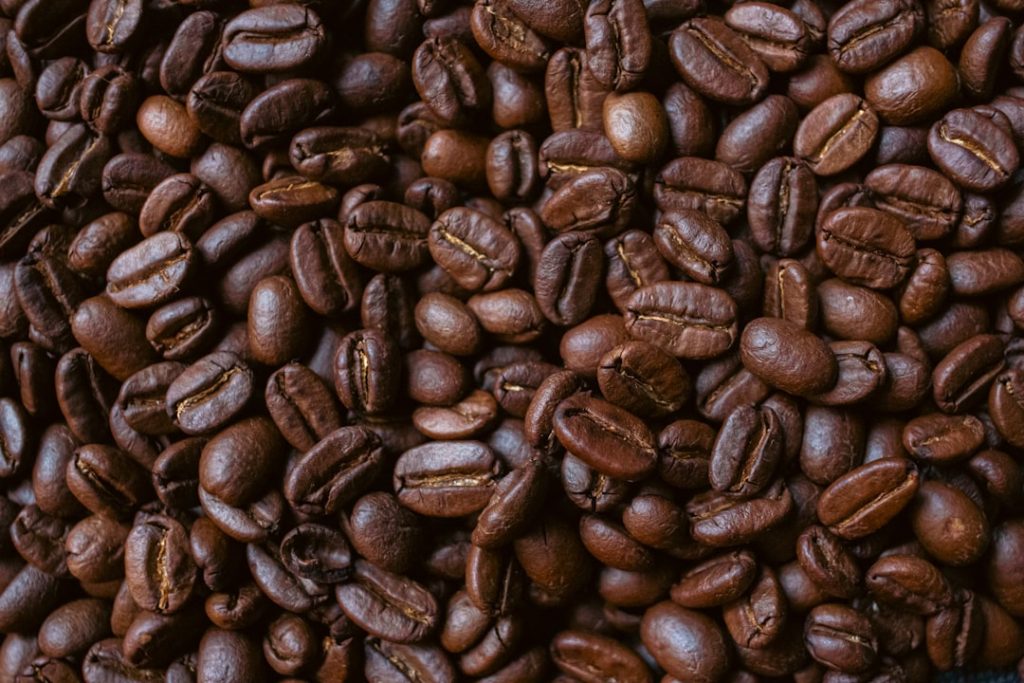
Coffee culture has evolved dramatically over the past few decades, expanding far beyond classic espresso or drip coffee. One of the latest revolutions in coffee consumption is cold brew—an energizing, smooth, and less acidic variation of your favorite drink. While it might seem simple on the surface, making truly great cold brew requires more than just brewing overnight in your fridge. One key factor that determines the flavor and texture of your cold brew is the *type of coffee beans you choose*. In this article, we’ll dive deep into the science of selecting the ideal beans for cold brew coffee.
TL;DR
Cold brew coffee is unique in its brewing method, extracting flavor over many hours without heat. The best beans for cold brew are usually medium to dark roasts with fruity, chocolatey, or nutty profiles. Beans with low acidity and rich body, such as Brazilian or Sumatran varieties, often work well. Your grind size, roast level, and coffee freshness all play vital roles in making your perfect cold brew.
Why Bean Selection Matters for Cold Brew
Crafting cold brew differs significantly from brewing hot coffee. Without heat, the extraction process moves slowly, often taking 12 to 24 hours. This means that certain volatile compounds that contribute to brightness and acidity in hot coffee are less emphasized in cold brew.
Instead, cold brew brings out the base notes: chocolate, nuts, caramel, and a smoother sweetness. Hence, selecting coffee beans with these flavor characteristics will dramatically enhance your final cup.
The Key Flavor Factors in Cold Brew
Three primary factors influence the flavor extracted from beans in cold brew:
- Roast Level: Darker roasts tend to produce bolder, less acidic flavors.
- Origin: Coffee from different regions carries distinct flavors. For cold brew, beans with chocolatey, nutty, or earthy undertones usually shine.
- Grind Size: Coarse grind is essential to prevent over-extraction and bitterness.
Roast Levels: Going Dark Matters
Since cold brew is an extraction method that mutes acidity, most experts recommend choosing medium to dark roasts. Here’s what different roast levels do for cold brew:
- Light Roast: These beans retain more of their origin flavors, such as fruity or floral notes. However, many of these delicate flavors don’t translate well to cold brew, potentially producing a weak or sour beverage.
- Medium Roast: This is a versatile option that balances acidity and body. Medium roasts usually offer chocolatey, nutty, or caramel notes—perfect for cold brew.
- Dark Roast: These beans showcase strong, rich flavors. Notes like dark chocolate, burnt sugar, and spice dominate. Dark roasts also bring more of the oils to the surface, enhancing texture and mouthfeel.
While roast level is a great starting point, the origin of the bean and how it’s processed also heavily influence the end flavor of your cold brew.
Top Origins for Cold Brew Beans
Coffee flavor comes from a plant’s environment: altitude, climate, soil, and processing method. Here are some of the most reliable regions and styles for cold brew:
- Brazil: Known for low acidity, nutty-chocolatey flavor, and a smooth body—classic cold brew attributes.
- Sumatra (Indonesia): Earthy and rich, often with tones of cocoa, spices, and tobacco. Popular in bold cold brews.
- Colombia: Offers balance with notes of nuts and gentle fruits. A good pick for versatile flavor profiles.
- Guatemala: Chocolatey with hints of spice and citrus. Works wonderfully when paired with a slightly darker roast.
- Mexico: Mild and nutty, making it a great choice for easy-drinking cold brews.
The Processing Method Matters
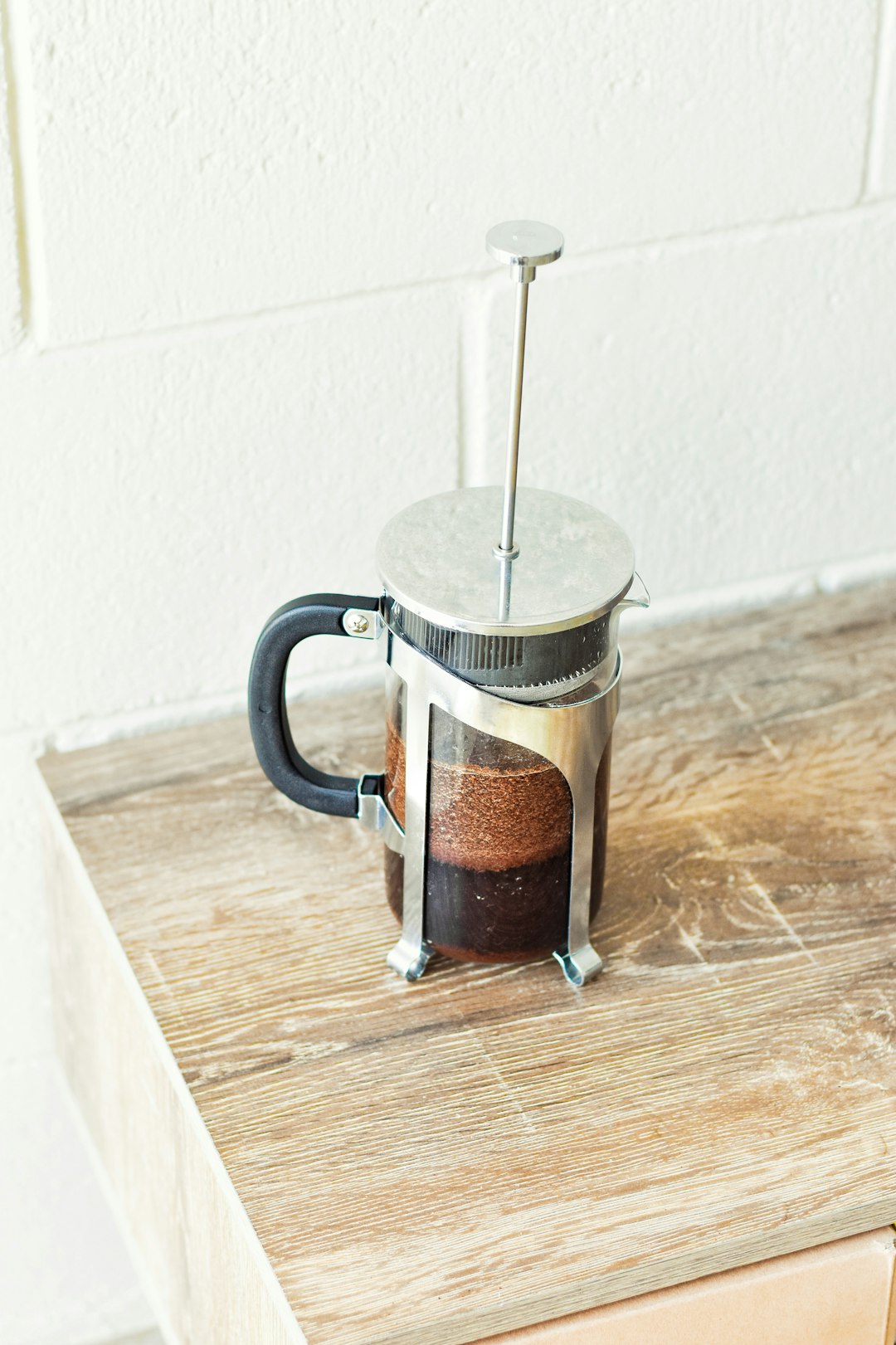
Coffee beans undergo several processing methods before roasting: washed, natural, and honey-processed are the most common. These methods influence sweetness and fruitiness in beans:
- Washed (Wet Process): Clean, bright flavors. While this can add a crispness to cold brew, the acidity may feel subdued or lost.
- Natural (Dry Process): More fruity and sweet. Great for adding complexity to cold brew with berry-like tones.
- Honey Process: A mix between washed and natural; results in balanced sweetness and light fruit. Excellent for a richer cold brew that still captures origin nuances.
When buying beans, ask your roaster what processing method was used. Choosing a naturally processed Brazilian bean roasted medium-dark can be an ideal choice for gourmet cold brew.
Single-Origin vs Blends: What’s Best?
This age-old coffee debate continues into cold brew territory. So what should you choose—single-origin or blends?
- Single-Origin: These beans come from one specific region or farm. They offer uniqueness and traceability, great for experimenting with global flavors.
- Blends: Crafted for balance, blends can create a cold brew with both body and complexity. Many roasters make special cold brew blends with ideal taste profiles.
If you’re just starting out, a blend might be the safest bet. They’re often engineered to taste great when brewed cold.
Freshness and Storage
Fresh roasted beans ensure better flavor extraction. Always try to use beans within 14 to 30 days after roasting. However, for cold brew, beans can be a day or two past peak freshness without ruining your drink.
Storage Tips:
- Keep beans in a sealed, airtight container.
- Store them in a cool, dry place—away from sunlight.
- Avoid freezing unless you plan to store them for over a month.
Grinding fresh before brewing always yields better results, especially for cold brew that requires a course grind size.
Grinding Tips for Cold Brew
Using the right grind size ensures that your brew is smooth and not over-extracted.
- Use a burr grinder for consistency.
- Aim for a texture between coarse sea salt and breadcrumbs.
- Too fine? Your brew will taste bitter and muddy. Too coarse? You’ll get under-extracted watery flavors.
Experimenting With Bean Blends at Home
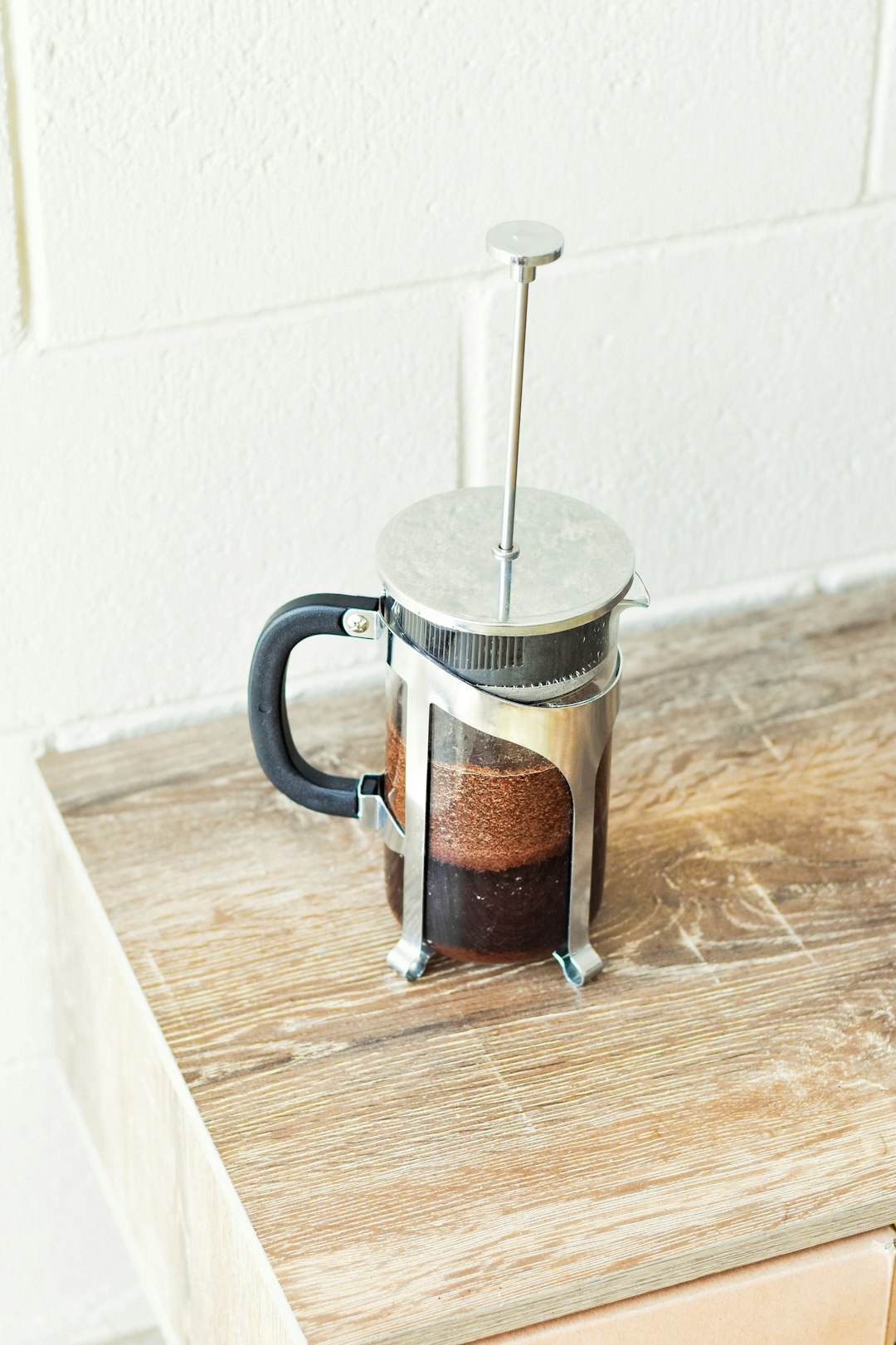
One of the joys of cold brewing is experimentation. You’re not limited to off-the-shelf choices. Try creating your own mix of beans:
- 70% Brazilian for body + 30% Ethiopian natural for sweetness.
- 60% Sumatran for earthiness + 40% Colombian for brightness.
- 50% Guatemalan + 25% Mexican + 25% Costa Rican for a balanced city roast blend.
These DIY combinations let you tailor your cold brew for any mood—morning energy, afternoon chill, or weekend indulgence.
Conclusion: The Science Is (Deliciously) Worth It
Great cold brew isn’t just about time and temperature—it starts with the beans. Choose the right origin, roast level, and processing method, and your cold brew will reward you with depth, smoothness, and nuanced flavors that hot coffee misses.
Be curious. Test different varieties. Compare single-origin vs blends. And most of all, enjoy the refreshingly cool journey that only cold brew offers.
Brew cold, sip bold.
