
6 Model Monitoring Tools That Help You Detect Drift And Bias Early

Machine learning models rarely fail all at once. More often, they degrade quietly. Performance slips. Predictions become less reliable. Hidden bias creeps in. By the time business stakeholders notice, the damage may already be done. That is why serious organizations invest in robust model monitoring systems designed to detect both drift and bias as early as possible.
TL;DR: Model monitoring is essential for detecting data drift, concept drift, and emerging bias before they harm business outcomes. The right monitoring tool provides real-time analytics, automated alerts, bias detection metrics, and integration with existing ML pipelines. This article reviews six proven monitoring platforms and compares their capabilities so you can choose the right solution for your production ML environment.
Below are six model monitoring tools that help organizations maintain performance integrity, ensure fairness, and meet compliance requirements in modern machine learning workflows.
Why Drift and Bias Monitoring Matters
Before exploring the tools, it is important to understand the risks:
- Data Drift: Changes in input data distribution over time.
- Concept Drift: Changes in the relationship between inputs and outputs.
- Prediction Drift: Shifts in model outputs even if inputs remain stable.
- Bias Amplification: Models becoming unfair across demographic groups.
Without monitoring, these issues can reduce revenue, violate compliance regulations, and damage reputations.
1. Arize AI
Best for: Production-scale ML observability
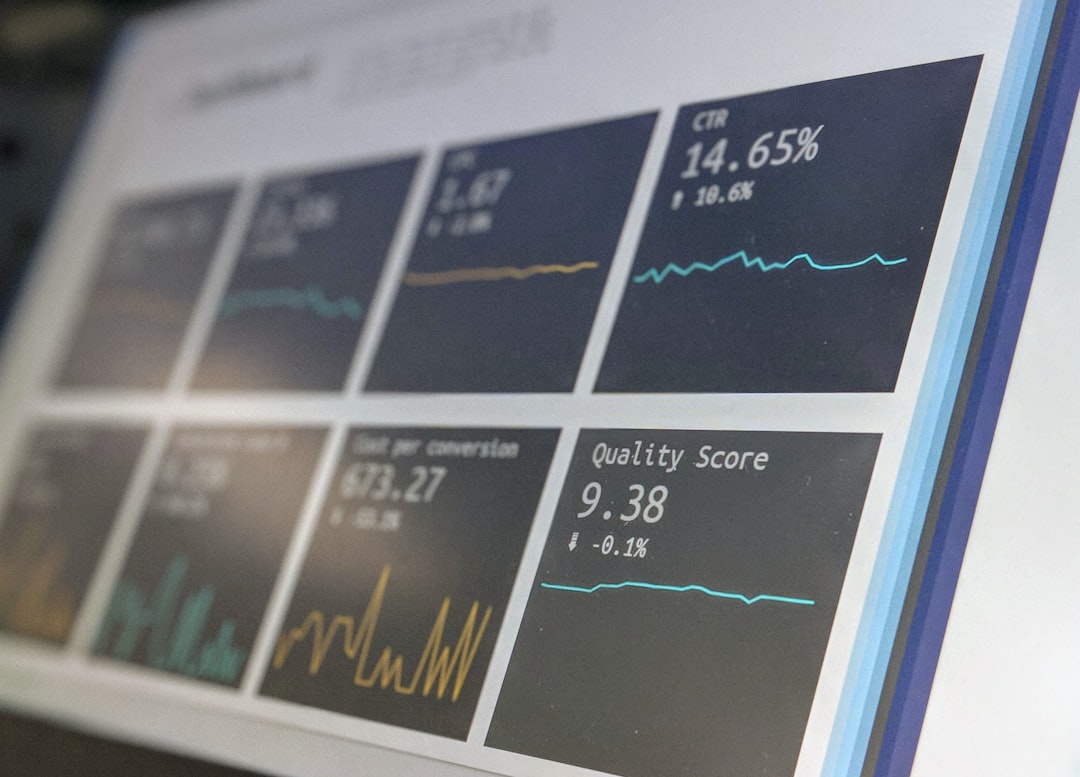
Arize AI is designed specifically for model observability in high-volume environments. It provides deep visibility into model inputs, embeddings, outputs, and performance metrics.
Key Strengths:
- Real-time drift detection using statistical distance metrics
- Embedding monitoring for NLP and recommendation systems
- Sliced performance analysis across user segments
- Root cause analysis workflows
Arize stands out for its ability to trace errors back to specific feature shifts, helping teams move quickly from detection to resolution. It is particularly valuable for organizations operating multiple models simultaneously.
Trust Factor: Widely used in enterprise settings with strong integration into modern ML stacks such as Snowflake and Databricks.
2. WhyLabs
Best for: Continuous data profiling and anomaly detection
WhyLabs focuses heavily on data diagnostics. It continuously profiles datasets and tracks statistical changes over time, offering highly granular visibility into feature behavior.
Key Strengths:
- Automated schema validation
- Drift detection across large feature sets
- Integrated open-source tools like whylogs
- Cost-efficient storage of statistical summaries
One serious advantage of WhyLabs is its lightweight logging approach, which avoids storing sensitive raw data while still enabling monitoring and compliance reporting.
Trust Factor: Suitable for regulated industries due to its privacy-conscious architecture.
3. Fiddler AI
Best for: Bias detection and explainable AI
Fiddler provides model performance management with a strong emphasis on fairness and explainability. It is particularly useful in financial services, insurance, and healthcare.
Key Strengths:
- Built-in fairness metrics across protected attributes
- Global and local model explainability
- Monitoring for structured and unstructured data
- Compliance-ready reporting dashboards
Fiddler’s structured bias monitoring makes it easy to compare model performance across demographic segments, flagging disparities before they escalate into systemic discrimination issues.
Trust Factor: Frequently chosen by organizations facing strict regulatory scrutiny.
4. Evidently AI
Best for: Open-source flexibility and custom monitoring
Evidently AI offers an open-source framework for measuring data and model quality. While it requires more hands-on setup than fully managed platforms, it provides flexibility and transparency.
Key Strengths:
- Customizable drift reports
- Pre-built statistical tests (KS test, PSI, etc.)
- Visualization dashboards
- Integration into CI/CD workflows
Evidently is often used by technically mature teams that want strong analytical control without committing to proprietary infrastructure.
Trust Factor: Large open-source adoption and transparent methodology.
5. Amazon SageMaker Model Monitor
Best for: AWS-native ML deployments
Organizations already operating in AWS frequently choose SageMaker Model Monitor because of its tight integration with AWS services.
Key Strengths:
- Automatic baseline generation
- Drift detection for features and predictions
- Integration with CloudWatch alerts
- Scalable, managed infrastructure
The ability to trigger automated retraining pipelines directly from monitoring alerts dramatically shortens response times.
Trust Factor: Backed by AWS reliability and enterprise infrastructure standards.
6. DataRobot MLOps
Best for: End-to-end lifecycle management
DataRobot MLOps provides comprehensive lifecycle oversight, from deployment through monitoring and retraining.
Key Strengths:
- Centralized model registry
- Drift and accuracy tracking
- Automated retraining triggers
- Audit logs for governance
Its governance tools make it especially suitable for organizations that must document every model update and performance shift.
Trust Factor: Recognized enterprise AI platform with long-standing industry presence.
Comparison Chart
| Tool | Drift Detection | Bias Monitoring | Explainability | Deployment Style | Best For |
|---|---|---|---|---|---|
| Arize AI | Advanced, real-time | Segment-level | Yes | Cloud | Enterprise ML observability |
| WhyLabs | Automated profiling | Limited built-in | No | Cloud + Open source logging | Data diagnostics |
| Fiddler AI | Strong | Advanced fairness tools | Yes | Cloud | Regulated industries |
| Evidently AI | Custom statistical tests | Custom implementation | Limited | Open source | Flexible engineering teams |
| SageMaker Model Monitor | Baseline-based | Basic | Limited | AWS managed | AWS environments |
| DataRobot MLOps | Automated | Moderate | Yes | Hybrid | Lifecycle management |
What to Look for in a Model Monitoring Tool
While features vary, serious monitoring solutions should provide:
- Statistical Rigor: Support for multiple drift detection methods.
- Granular Segmentation: Performance breakdown by demographic or behavioral groups.
- Real-Time Alerts: Immediate notification when thresholds are crossed.
- Root Cause Analysis: Clear tracing back to feature-level changes.
- Compliance Reporting: Audit logs and documentation support.
Monitoring should not merely report metrics. It should enable proactive action.
Final Thoughts
Drift and bias are not hypothetical risks; they are statistical realities in dynamic environments. User behavior changes. Markets fluctuate. Economic conditions evolve. Models trained on historical data inevitably encounter new patterns.
Organizations that treat monitoring as optional discover the consequences too late. Those that implement structured, transparent, and continuous monitoring build resilient AI systems that maintain both accuracy and fairness over time.
The serious question is not whether you need model monitoring. It is whether your current monitoring solution is strong enough to detect problems before your stakeholders do.
Choosing one of the tools above—and deploying it with clear governance policies—moves your machine learning practice from experimental to operationally mature.
