
Why DIY Offline Gaming Still Works When WiFi Dies
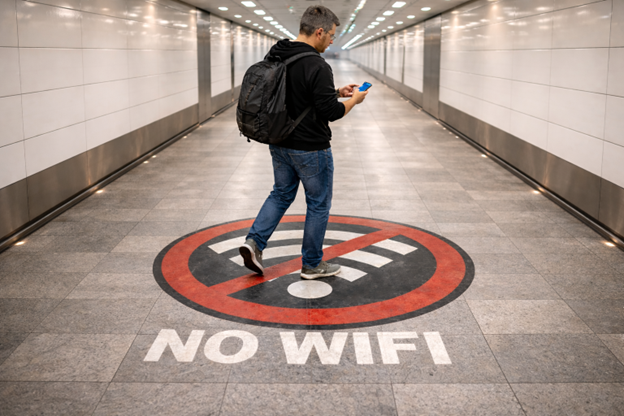
A dead WiFi signal used to mean one thing: pause everything and wait for the world to come back (including the false alarms by some platforms). That reflex feels normal now because so much of modern entertainment depends on a feed, a server, or a live connection somewhere else. But internet outages can also teach us something useful. They show that a lot of what people enjoy is not just the device. It is also the feeling around the activity: the suspense, paying attention together, simple rules, and the sense that something is happening live right in that moment.
So the better response to a dropped connection is not to treat offline fun as a backup plan. It is to treat it as a design challenge.
Game streaming can be imitated
The smartest place to start is not with a board game shelf. It is with the format people already know from the screen. For many players, the appeal of online roulette is not just the spin. It is the pacing, the voice, the wait before the result, and the sense that someone is running a live table in front of you. That is exactly why live dealer roulette games played on online casinos work so well as a DIY setup. The streamed version already has a clear structure, which means it can be rebuilt by hand with surprisingly little effort.
The wheel does not need to be expensive to feel convincing. A fidget spinner placed over a numbered paper circle can create a workable result, especially if the numbers are large and easy to read. A simplified “spin the bottle” setup on a numbered rug or mat can do the same job. The point is:
- motion
- uncertainty
- a visible outcome
That is the core mechanic behind roulette games, and it survives the loss of a screen very well.
The human dealer is what turns the setup from a craft project into entertainment. That role matters because it recreates the live energy people expect when they play roulette. Instead of watching a studio host through a camera, the room becomes the studio. The rules feel more immediate because everyone can see the process from start to finish.
This is also where live dealer roulette becomes more than imitation. The manual version makes the math visible. Using dried beans, spare change, or colored paper as chips turns the table into a kind of analog AI, which gives the player a sense of ownership and creativity. Some people really make such setup themselves and videos can be found on social media, such s the one below:
View this post on Instagram
Hands-on play has momentum
Offline entertainment can sound like nostalgia, but the data points in a different direction. Physical play is not simply surviving as a fallback. It is growing alongside digital habits because it fills a different need: presence, touch, and a clearer role for everyone in the room.
| Signal | Latest figure | Why it matters |
| Global playing cards and board games market | $19.9 billion in 2024, projected to reach $31.9 billion by 2030 | Demand for tactile, table-based play is still expanding, even in a very connected media environment |
| Recreational screen use | 38% of respondents reported more than 5 hours a day of personal screen time in early 2025 | Heavy digital leisure is common, which helps explain why many adults value activities that break the pattern |
| Games and puzzles sales across 12 global markets | Up 36% in the first half of 2025 | When people spend on physical leisure, games remain one of the strongest categories |
Those numbers matter because they show two things at once. First, digital entertainment is not going anywhere. Second, people are still making room for formats that are slower, more visible, and more social. A WiFi outage does not create that desire from nothing. It simply reveals it. Once the connection drops, the most satisfying options are often the ones that let a room generate its own momentum: card play, scorekeeping, improvised contests, spoken rules, and shared suspense.
Today’s online platforms may seem like they are always there, but many of them depend on just a few big cloud companies. This means that if a major service like Amazon Web Services has a problem, people can still feel offline even when their Wi-Fi is working perfectly fine.
That is why DIY entertainment works best when it borrows the shape of premium digital formats but runs on household materials. It respects the standards people now expect, clear pacing, clean roles, and a sense of occasion, while proving those standards do not depend on a router.
What a lost signal reveals about better leisure
The deeper lesson is that good entertainment is becoming less about constant access and more about flexible design. A strong format should survive a weak signal. It should still work when all you have is a table, a few objects, and people willing to take turns. That is not a retreat from modern leisure. It is a more durable version of it.
A 2025 study of more than 3,000 adults in Germany showed this clearly:
- about 34% of people played games every week
- back in 2010, that number was only 9%
- reading printed books stayed almost the same, at about 35%
So yes, digital habits are growing. But older, offline habits are not going away. They still matter because they give people a different speed and a different way of paying attention.
Why offline formats still hold a room together
Professor Ulrich Reinhardt, Scientific Director of the BAT Foundation for Future Studies, put it plainly: “The future of leisure time will depend on whether we succeed in utilising digital opportunities without losing the fundamental human dimension of togetherness.”
That idea fits the WiFi problem perfectly. The best offline options are not random filler. They are formats that turn spectators into participants.
