
The Anatomy Of A Tech Viral Trend

In the digital economy, virality is often mistaken for luck. A product explodes overnight, a new platform dominates headlines, or a simple feature reshapes online behavior—and the prevailing narrative frames it as lightning in a bottle. In reality, tech viral trends are rarely accidental. They form at the intersection of psychology, timing, product design, network dynamics, and media amplification. Understanding the anatomy of a tech viral trend requires dissecting these forces with precision and discipline.
TLDR: Tech viral trends are not random events but predictable outcomes of psychological triggers, network effects, strategic timing, and amplification systems. They typically follow a lifecycle—from seeding and acceleration to saturation and normalization. Products that go viral embed sharing into their core mechanics while aligning with cultural moments. Sustainable impact depends not just on visibility, but on value retention after the hype fades.
The Psychological Spark
At the heart of every viral trend lies a powerful psychological trigger. Technology may evolve, but human behavior remains surprisingly stable. Successful viral products tap into deeply rooted motivations:
- Social currency: People share things that make them look informed, ahead of the curve, or insightful.
- Emotional activation: Awe, excitement, surprise, or even anger significantly increase shareability.
- Belonging: Trends create in-groups. Participating signals membership in a cultural or professional movement.
- Utility: Practical tools spread quickly when they solve visible, urgent problems.
Consider how early AI-powered tools spread across professional networks. The rapid adoption was not purely technological enthusiasm—it was driven by individuals wanting to demonstrate competence and adaptability in a fast-changing environment. Sharing became a way of signaling professional relevance.
Without this psychological ignition point, even the most sophisticated technology struggles to achieve escape velocity.
Product Design That Encourages Propagation
A viral trend cannot sustain itself on emotion alone. The underlying product architecture must reduce friction and actively encourage propagation. Virality is often engineered.
Key structural features include:
- Built-in share mechanisms: Invitations, referral bonuses, and seamless cross-platform integration. ( Platforms you may need to use: Punchbowl, Referral Rock, Exalate.)
- Visible outcomes: Outputs that beg to be shared—visual dashboards, striking images, public leaderboards.
- Low onboarding friction: Minimal sign-up steps and immediate value delivery.
- Network dependency: Increased utility as more users join.
Many successful platforms embedded growth mechanics directly into user workflows. Early email services appended promotional messages automatically. Collaboration tools incentivized inviting teammates by limiting solo functionality. These design decisions transformed each user into a distribution node.
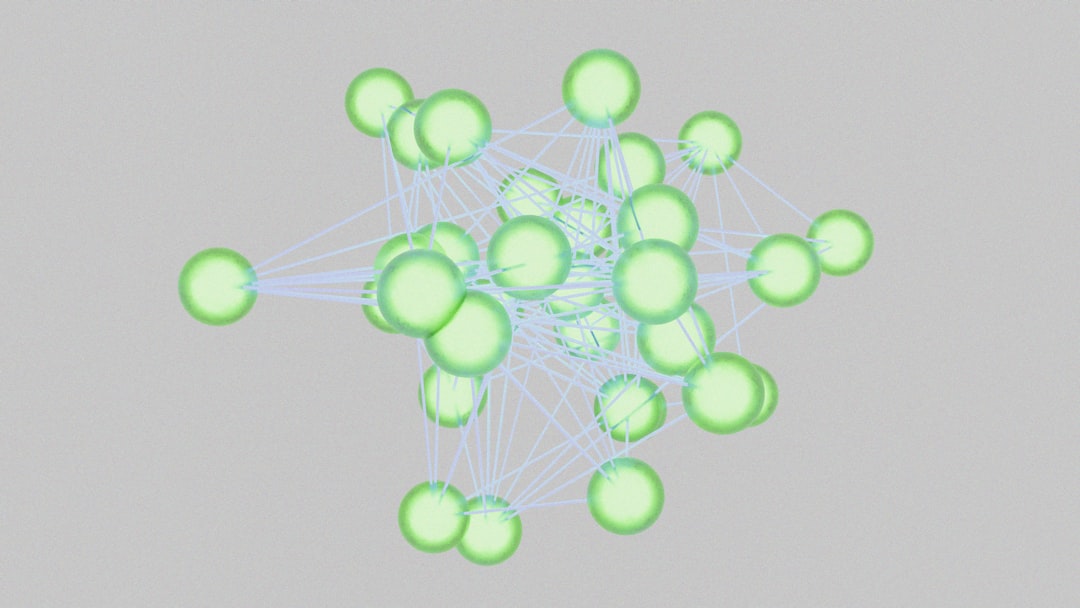
The most effective viral loops adhere to a simple cycle:
- User gains value.
- User shares or invites others.
- New users experience rapid value.
- The cycle repeats at increasing scale.
If any part of this loop is weak—particularly the initial value delivery—the cycle collapses.
The Role of Timing and Cultural Context
Technology does not go viral in a vacuum. Cultural conditions determine receptivity. A tool launched too early may languish; the same concept introduced during a societal shift can surge.
Several contextual elements amplify virality:
- Technological readiness: Infrastructure maturity (broadband penetration, smartphone ubiquity).
- Economic pressure: Demand for efficiency during downturns.
- Media narratives: Alignment with dominant news cycles.
- Generational shifts: Changing attitudes toward privacy, work, or communication.
For example, remote collaboration platforms accelerated dramatically during periods of global disruption. The need already existed—but the moment intensified it. In such conditions, adoption friction decreases because urgency overrides hesitation.
Cultural timing is not fully controllable, but perceptive companies monitor signals carefully. Those who anticipate shifts—in regulation, public opinion, or workforce behavior—position themselves to ride emergent waves rather than react belatedly.
Influencer Seeding and Authority Cascades
Another critical layer in the anatomy of tech virality is strategic seeding. Trends rarely start with mass adoption; they begin in concentrated clusters.
Early adopters often fall into distinct categories:
- Industry insiders
- Technical enthusiasts
- Content creators
- Professional communities with shared pain points
When respected figures endorse or demonstrate a technology, an authority cascade can occur. Observers infer quality from perceived expertise. This phenomenon dramatically compresses the evaluation phase for broader audiences.

However, authority seeding must be authentic. Over-orchestrated promotional pushes often appear contrived, reducing trust. Organic enthusiasm from credible communities carries far greater weight than high-budget marketing campaigns disconnected from real user experience.
Acceleration Through Media and Algorithmic Amplification
Once early traction materializes, amplification systems take over. Modern virality is inseparable from algorithmic distribution.
Three amplification vectors are particularly influential:
- Social media algorithms: Reward high engagement velocity.
- Search trends: Spikes in queries attract journalistic coverage.
- Newsletter and blog ecosystems: Rapidly replicate trending narratives.
Journalists increasingly monitor online traction as a proxy for relevance. As coverage expands, legitimacy perception strengthens. This self-reinforcing cycle can compress months of growth into days.
Importantly, algorithmic systems favor novelty. This creates a paradox: viral speed often depends on short-term engagement spikes rather than long-term robustness. The same mechanisms that drive explosive growth can also accelerate decline once attention shifts elsewhere.
Saturation and Imitation
Every viral trend reaches an inflection point. Growth decelerates as market saturation approaches and competitors replicate core features.
Common indicators of saturation include:
- Declining invitation rates
- Increased paid acquisition spending
- Feature commoditization across competitors
- User fatigue or backlash narratives

At this stage, the narrative often shifts from excitement to scrutiny. Security concerns, data practices, and ethical implications come under examination. What was once novel becomes normalized.
The companies that endure this phase successfully are those that pivot from attention capture to durable value creation. Infrastructure maturity, enterprise integration, and product depth determine long-term viability.
The Conversion From Trend to Infrastructure
Not every viral product becomes foundational technology. Many fade as quickly as they rose. The transformation from trend to infrastructure depends on several stabilizing factors:
- Clear monetization pathways
- Enterprise adoption
- Regulatory resilience
- Ecosystem development (APIs, integrations, developer tools)
Infrastructure technologies shift from optional novelty to embedded necessity. Email, cloud storage, and mobile messaging platforms all experienced early viral acceleration, followed by consolidation and institutionalization.
The distinction lies in retained utility. If users continue to derive incremental value over time, the product transcends trend status.
The Anatomy Summarized: A Structured Model
To conceptualize the lifecycle clearly, tech viral trends typically move through the following structured sequence:
- Spark: Psychological trigger activated.
- Seed: Targeted early adopters engage.
- Loop: Built-in sharing mechanics accelerate growth.
- Amplify: Algorithms and media expand exposure.
- Saturate: Growth slows; scrutiny increases.
- Stabilize or Decline: Either institutional adoption or gradual irrelevance.
This model is neither rigid nor perfectly symmetrical. Some trends stall at amplification. Others bypass traditional seeding when institutional backing is present from inception. However, the structural pattern is observable across numerous technology waves.
Critical Misconceptions About Virality
Despite extensive analysis, several persistent myths cloud understanding:
- “Quality guarantees virality.” Many exceptional products never spread widely due to distribution failure.
- “Marketing alone can manufacture sustained virality.” Without intrinsic user value, momentum is temporary.
- “Speed equals success.” Rapid growth can obscure structural fragility.
Virality is best understood as a multiplier. It amplifies both strengths and weaknesses. When product-market alignment is robust, growth compounds value. When alignment is fragile, exposure accelerates failure.
Why Understanding This Anatomy Matters
For founders, marketers, investors, and policymakers, recognizing the anatomy of tech viral trends serves several practical purposes:
- It prevents overestimating short-term hype.
- It clarifies when growth is organic versus artificially inflated.
- It highlights the importance of retention metrics over surface-level visibility.
- It informs responsible governance before widespread adoption.
More broadly, analyzing virality through a disciplined lens encourages strategic patience. Engineering a viral moment may be achievable. Engineering enduring impact requires deeper structural alignment and sustained execution.
The anatomy of a tech viral trend is therefore neither mystical nor purely accidental. It is the product of human psychology, deliberate design, contextual timing, amplification systems, and post-hype resilience. Those who study its mechanisms carefully are better equipped not only to predict the next wave—but to build technologies capable of surviving long after the initial surge of attention fades.
