
Falotani: Techniques And Tips For Beginners
Falotani is an emerging discipline that blends mindful movement, rhythmic coordination, and creative flow into a single expressive practice. Though its roots are debated—some tracing it to folk traditions, others to contemporary performance art—Falotani has gained popularity because it is accessible, adaptive, and deeply engaging. Whether pursued as a hobby, a fitness routine, or a performance craft, Falotani rewards patience, precision, and playful experimentation.
TL;DR: Falotani is a versatile practice that combines rhythm, movement, and focus. Beginners should start with foundational stances, controlled breathing, and slow pattern repetition before progressing to dynamic sequences. Consistency and mindful technique matter more than speed or complexity. With simple tools and steady practice, anyone can build confidence and fluidity in Falotani.
What Is Falotani?
At its core, Falotani is about synchronized motion and controlled energy. Practitioners perform patterned sequences that alternate between grounded stability and expansive gestures. These sequences can be practiced solo or in groups, often accompanied by soft rhythmic cues such as clapping, tapping, or light percussion.
Falotani sessions typically include:
- Warm-up rituals that awaken balance and joint mobility
- Core patterns involving circular arm sweeps and precise foot placements
- Transition flows connecting movements seamlessly
- Reflection or cooldown to integrate body awareness
Despite its graceful appearance, Falotani requires deliberate technique. Beginners who focus on alignment and rhythm early tend to progress faster and avoid strain.
Getting Started: Essential Foundations
Before attempting advanced sequences, it’s vital to establish a base. Think of Falotani as building a house: without a solid foundation, the upper levels will feel unstable.
1. The Fundamental Stance
Every Falotani movement originates from a grounded stance. Feet are positioned slightly wider than hip-width apart, knees relaxed, spine elongated. Shoulders should remain soft rather than rigid.
Tip: Imagine a gentle thread lifting the crown of your head upward while your feet root into the earth. This mental image helps align posture naturally.
2. Controlled Breathing
Breath anchors movement. Inhale during expansive gestures; exhale during contractions or grounding shifts. Beginners often forget to breathe steadily, leading to tension.
- Practice a 4-second inhale and 4-second exhale rhythm.
- Match breath transitions with movement transitions.
- Avoid shallow chest breathing—focus on diaphragmatic breathing.
3. Slow Pattern Repetition
Speed can be tempting, but Falotani mastery comes from deliberate pacing. Repeat simple sequences until muscle memory develops. Precision should precede fluidity.
Try the “Circle and Step” beginner pattern:
- Raise arms outward in a circular arc.
- Step forward lightly with the right foot.
- Pause and hold for two breaths.
- Return to center and repeat on the opposite side.
Techniques to Build Skill and Confidence
Rhythmic Awareness
Falotani thrives on rhythm—not necessarily music, but an internal cadence. You might count softly or tap your foot to maintain timing. As you improve, rhythm becomes intuitive.
Practice Drill: Perform a sequence while counting “one, two, three, hold.” Then repeat without counting and notice if the rhythm remains steady.
Fluid Transitions
The beauty of Falotani lies in transitions. Abrupt stops break the flow. Beginners can enhance fluidity by imagining movements as waves rather than separate fragments.
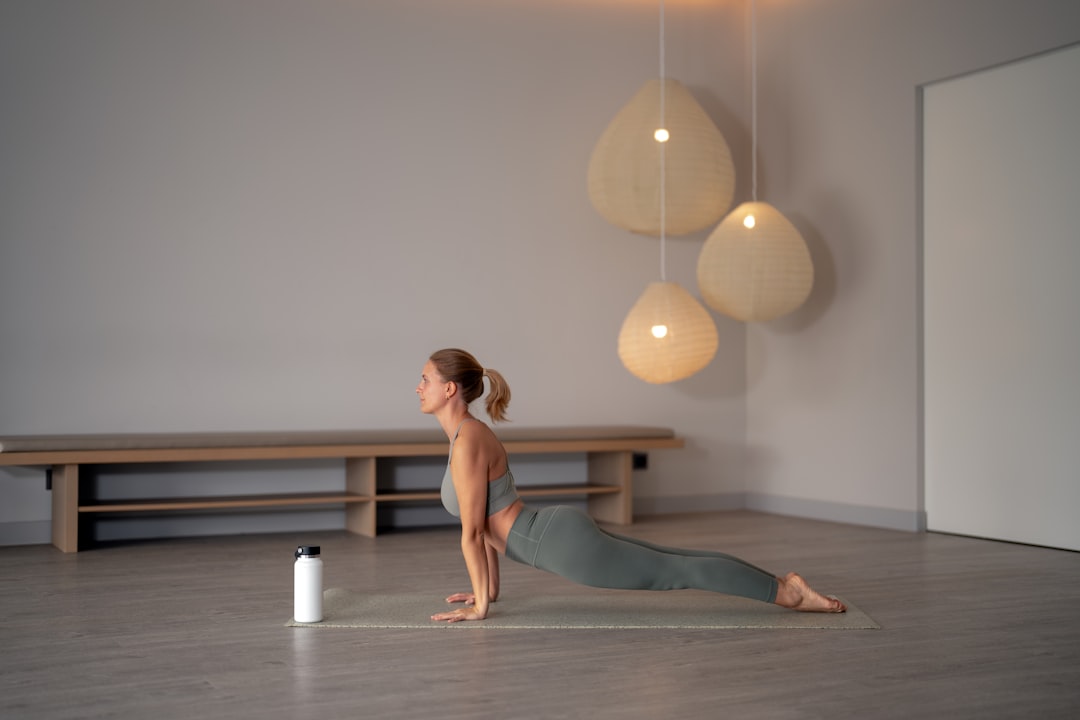
To refine transitions:
- Reduce unnecessary tension in wrists and shoulders.
- Shift weight gradually from foot to foot.
- Visualize drawing patterns in the air.
Energy Control
Falotani alternates between expansion and containment. Beginners sometimes exaggerate every movement, which can lead to fatigue. Instead, vary intensity.
For example, pair a broad sweeping motion with a small, precise hand gesture. This contrast creates visual and physical balance.
Common Beginner Mistakes
Learning any new skill comes with challenges. Recognizing common pitfalls can accelerate improvement.
- Overextending joints: Keep elbows and knees softly bent during movements.
- Holding breath unknowingly: Regularly check breathing rhythm.
- Rushing progress: Advanced sequences require a strong base.
- Ignoring recovery: Gentle stretching prevents stiffness.
Remember: Falotani is as much about mindfulness as physical technique. Avoid comparing your progress to others; improvement is deeply personal.
Tools and Environment
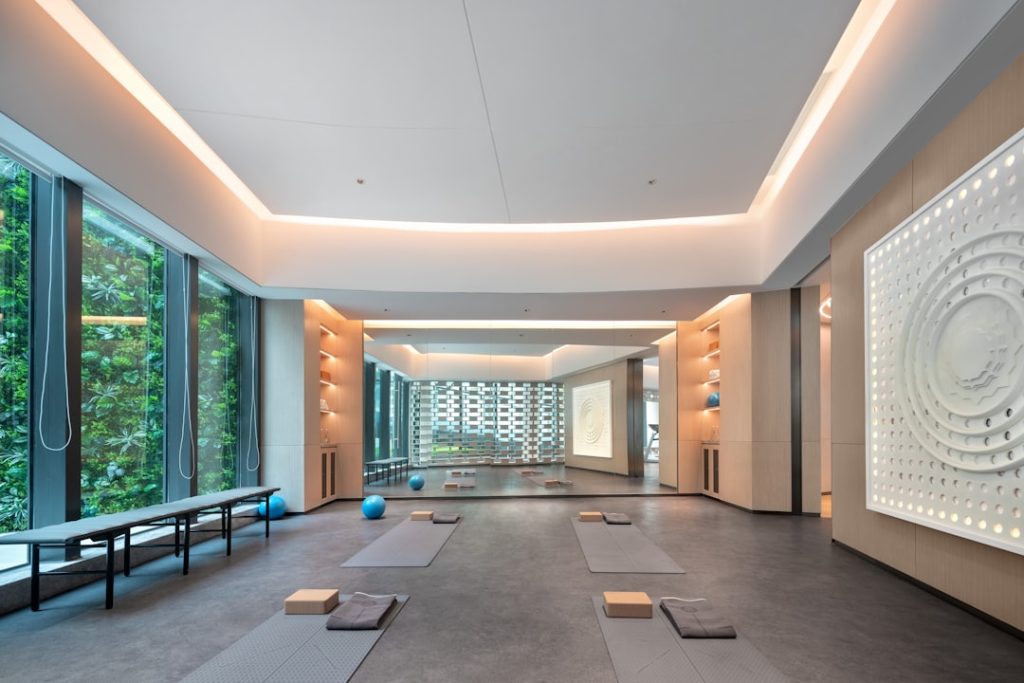
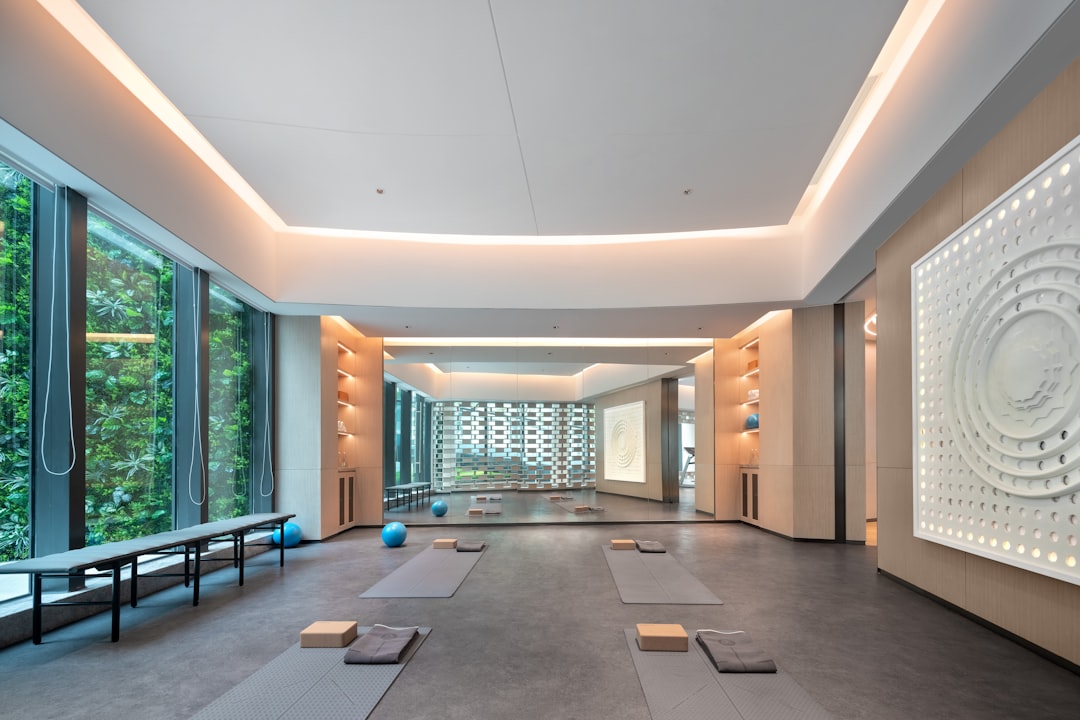
Falotani requires minimal equipment, making it accessible to most beginners. However, a supportive environment enhances focus.
Consider the following setup:
- Flat, non-slip surface for stability
- Comfortable clothing allowing free movement
- Soft ambient sound or metronome for rhythm practice
- Mirror (optional) to monitor posture and symmetry

Some practitioners enjoy practicing outdoors, where natural surroundings reinforce grounding techniques.
A Sample Beginner Routine (20 Minutes)
If you’re unsure how to structure your practice, here is a simple framework:
Warm-Up (5 Minutes)
- Gentle neck rolls
- Shoulder circles
- Light knee bends with synchronized breathing
Core Practice (10 Minutes)
- Circle and Step pattern (5 repetitions each side)
- Wave-like transition drills
- Slow rhythmic sequence with 4-count timing
Cooldown (5 Minutes)
- Standing forward fold
- Deep breathing cycles
- Quiet reflection on movement quality
Consistency matters more than session length. Practicing three times a week often yields noticeable improvement within a month.
Mindset and Progression
Falotani is not a race toward complexity. Advanced practitioners emphasize refinement over expansion. Adding intricate sequences too early may dilute the clarity of your fundamentals.
Track progress by observing:
- Improved balance and posture
- Smoother transitions
- Greater rhythmic precision
- Reduced physical strain
A helpful mindset is viewing each session as exploration rather than performance. Small adjustments in hand angle or foot placement can transform the feel of an entire sequence.
The Social Dimension of Falotani
While solo practice builds independence, group sessions introduce synchronization and shared rhythm. Practicing with others enhances awareness and timing because you must adapt to collective movement.
In group settings:
- Focus on peripheral vision rather than staring directly at others.
- Listen carefully for shared rhythmic cues.
- Maintain your breathing pace even if the group accelerates.
Group practice can be motivating and inspiring, especially for beginners who benefit from observing varied interpretations of the same pattern.
Final Tips for Beginners
To make your Falotani journey rewarding and sustainable, keep these final recommendations in mind:
- Be patient: Mastery unfolds gradually.
- Stay curious: Experiment with movement variations.
- Prioritize comfort: Pain is a signal to adjust technique.
- Reflect often: Brief journaling after sessions clarifies progress.
Falotani offers more than physical coordination—it cultivates balance between effort and ease. With steady dedication, beginners often discover increased body awareness, improved posture, and a sense of rhythmic confidence that extends beyond practice sessions.
Ultimately, Falotani is a dialogue between breath, motion, and attention. By grounding yourself in the basics, embracing deliberate technique, and allowing movements to evolve naturally, you lay the groundwork for a lifelong and deeply satisfying practice.
