
Best 8 Knowledge Managers For Writers And Academics Who Hate Notion Slowness

Writers and academics need tools that are fast, reliable, and capable of handling complex knowledge structures. When your thinking depends on seamless navigation between notes, citations, and ideas, even minor delays can become serious obstacles. Many professionals have grown frustrated with sluggish performance, heavy interfaces, and bloated workflows in certain popular knowledge management tools. Fortunately, there are powerful alternatives designed for speed, focus, and long-term intellectual work.
TL;DR: If you are frustrated by sluggish note-taking apps, there are faster and more focused alternatives built for deep work. Tools like Obsidian, Logseq, Zettlr, and Devonthink emphasize speed, local storage, and knowledge connections. Others such as Craft, Bear, and Roam Research balance usability with powerful organization systems. Choosing the best tool depends on whether you value offline control, academic citation support, or frictionless writing above all else.
What Writers and Academics Need in a Knowledge Manager
Before exploring specific tools, it is important to clarify what makes a knowledge manager truly suitable for professional research and writing:
- Speed and responsiveness — no lag during typing or linking.
- Offline-first capability — stable access to research materials.
- Robust linking or graph views — critical for interconnected ideas.
- Citation and export support — smooth integration with academic workflows.
- Long-term reliability — sustainable file formats and minimal lock-in.
With these criteria in mind, the following eight tools stand out for their performance and serious research capabilities.
1. Obsidian
Obsidian has become a leading choice among writers and researchers who demand speed. Built on local Markdown files, it avoids the delays sometimes experienced in web-based systems.
Why it stands out:
- Instant loading and typing response
- Local storage with full file ownership
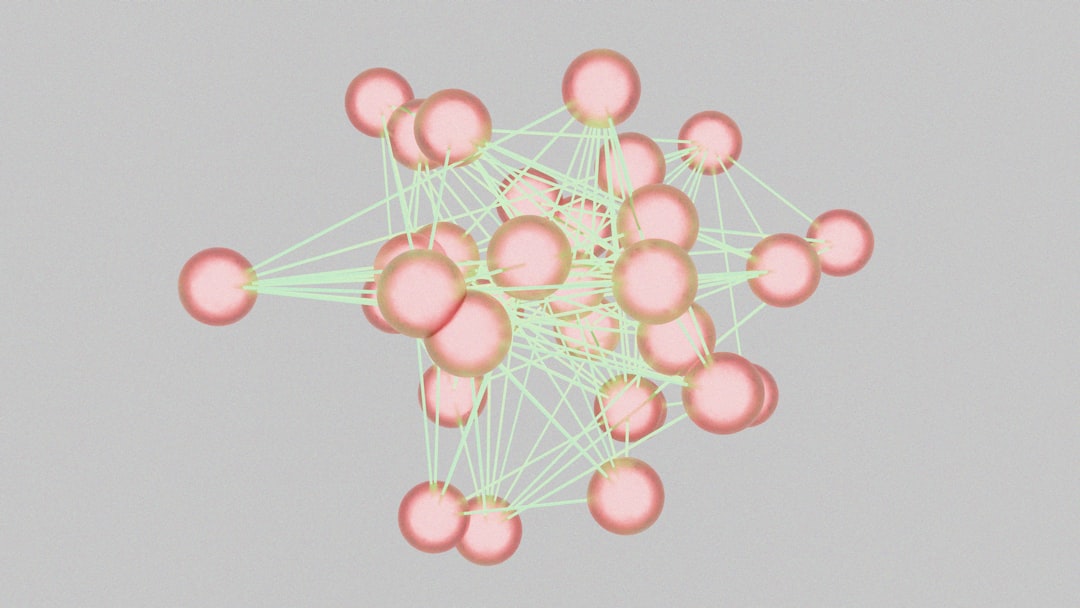
- Advanced backlinking and graph visualization
- Highly customizable plugin ecosystem
Academics particularly appreciate Obsidian’s compatibility with citation plugins that integrate with BibTeX. Its flexibility allows for Zettelkasten-style note systems or structured research databases without sacrificing responsiveness.
Best for: Researchers who want maximum control, speed, and extensibility.
2. Logseq
Logseq combines outliner functionality with bi-directional linking. It operates locally and emphasizes structured thinking through hierarchical bullet points.
Its block-based system allows precise referencing of ideas. Performance is generally smooth because files are stored locally in plain text formats.
Key strengths:
- Outline-driven workflow
- Strong task management features
- Daily journal-oriented system
- Open-source transparency
For academics who prefer structured planning for research projects or dissertation chapters, Logseq offers clarity without unnecessary visual clutter.
Best for: Writers who think in outlines and value structured argument development.
3. Zettlr
Zettlr was designed specifically with academics in mind. Unlike more general-purpose tools, it prioritizes citation management and manuscript preparation.
It integrates seamlessly with Zotero and supports LaTeX exports, making it particularly useful for publishing workflows.
Main advantages:
- Built-in citation management
- Markdown with LaTeX support
- Clean, distraction-free writing environment
- Fast desktop performance
Zettlr may lack the extensive plugin environment of other tools, but its focus on research output ensures it remains lean and efficient.
Best for: Academic writers preparing journal articles and technical manuscripts.
4. DEVONthink
DEVONthink is more than a note-taking app; it is a comprehensive research database platform for macOS users.
Its AI-assisted search and classification features help manage large libraries of PDFs, notes, and archival materials. For historians, legal scholars, and literature researchers working with extensive source archives, this capability is invaluable.

Distinct features:
- Advanced AI-powered search
- Efficient handling of large document collections
- Offline storage and encryption
- Robust annotation tools
Although it has a steeper learning curve, DEVONthink offers performance stability and deep archival power unmatched by lighter tools.
Best for: Academics managing extensive research databases.
5. Bear
Bear is known for its elegant interface and exceptional speed on Apple devices. While simpler than some alternatives, it excels in responsiveness and clarity.
Its tagging system enables intuitive categorization without complicated databases. For essayists, columnists, and researchers who need clean drafting spaces rather than elaborate networks, Bear is a dependable choice.
Strengths include:
- Extremely fast performance
- Markdown support
- Cross-device synchronization
- Minimalist interface
Best for: Writers who prioritize speed and simplicity over advanced graph systems.
6. Craft
Craft provides a visually appealing yet responsive knowledge environment. Unlike heavier tools, it emphasizes structured documents and modular content blocks without feeling sluggish.
Writers appreciate its clean aesthetics combined with reliable performance during longer drafting sessions.
Core benefits:
- Structured pages with nested content
- Reliable syncing
- Collaborative options
- Strong export formats
Although more cloud-oriented, Craft maintains fluid navigation and minimal lag, making it attractive for academics collaborating on shared research.
Best for: Writers balancing structure, design clarity, and collaboration.
7. Roam Research
Roam pioneered bi-directional linking in mainstream knowledge management. Its block-referencing system encourages associative thinking.
While early performance concerns existed, many users find it smoother than heavier alternatives when handling deep networks of notes.
Highlights:
- Powerful block embedding
- Networked thought architecture
- Strong community and methodology support

Roam is particularly appealing to scholars using Zettelkasten principles to build long-term research systems.
Best for: Conceptual thinkers building dense knowledge graphs.
8. RemNote
RemNote combines note-taking with spaced repetition. For researchers who must internalize complex materials — such as language learners, medical academics, or law students — this hybrid approach is powerful.
Despite its advanced functionality, it maintains relatively smooth performance compared to more visually demanding platforms.
Key advantages:
- Integrated flashcard creation
- Hierarchical knowledge trees
- Bi-directional linking
- Academic-focused workflow
Best for: Scholars who need both knowledge organization and long-term retention tools.
How to Choose the Right One
Selecting the best alternative depends on your intellectual workflow:
- If you value complete control and raw speed, choose Obsidian or Logseq.
- If you are preparing formal academic publications, Zettlr provides targeted citation features.
- If you manage thousands of source documents, DEVONthink offers database-level capabilities.
- If you prefer minimal friction and elegance, Bear or Craft may be ideal.
- If you focus on knowledge networks and memory systems, Roam Research or RemNote deliver strong linking and retention features.
Importantly, most serious writers eventually prioritize reliability over visual novelty. Tools built on plain text formats and local storage tend to endure technological change better than heavily proprietary ecosystems.
Final Thoughts
For writers and academics, intellectual momentum is everything. When ideas are flowing, technology should disappear into the background. Slowness, lag, and unstable syncing interrupt thinking at its most fragile moments.
The eight tools listed above distinguish themselves through stronger performance profiles and deeper research alignment. Whether you are drafting a dissertation, composing analytical essays, or building a lifelong knowledge archive, selecting a responsive, dependable system is an investment in your cognitive clarity.
Ultimately, the best knowledge manager is the one that allows your ideas to move faster than your software.
