
Monthly Highlights: Top AI News From September

September delivered a wave of significant developments across the artificial intelligence landscape, signaling both accelerated innovation and growing scrutiny. From major model releases and enterprise adoption milestones to regulatory debates and ethical discussions, the month highlighted how rapidly AI continues to reshape industries. Companies introduced more powerful multimodal systems, governments advanced regulatory frameworks, and startups pushed boundaries in robotics, healthcare, and generative media. Together, these stories defined a pivotal moment in the global AI race.
TLDR: September was marked by major AI model launches, expanded enterprise integration, and intensifying global regulatory efforts. Leading tech companies introduced more advanced multimodal systems, while startups demonstrated real-world AI applications in healthcare and robotics. Governments in the U.S., Europe, and Asia moved forward with new AI oversight frameworks. At the same time, debates around safety, transparency, and job disruption continued to shape the public conversation.
Major Model Releases Raise the Bar
One of the most defining features of September was the launch of upgraded large language and multimodal models from key AI labs. Several companies unveiled systems capable of handling text, images, code, and even video with greater accuracy and contextual understanding than earlier versions.

These new models demonstrated:
- Improved reasoning capabilities, particularly in technical and scientific domains.
- Longer context windows, enabling them to process extensive documents and complex datasets.
- Enhanced multimodal integration, allowing seamless transitions between text analysis, image interpretation, and structured data generation.
Analysts noted that competition among major AI developers has intensified significantly. Each release aims to outperform others not only in benchmark scores but also in real-world applications such as enterprise automation, customer service, and content creation.
Meanwhile, open-source communities continued to close performance gaps. With new parameter-efficient tuning methods and optimized architectures, open models achieved impressive results while requiring fewer computing resources. This shift helped democratize access to powerful AI capabilities, especially for small businesses and independent developers.
Enterprise AI Adoption Accelerates
September also saw a surge in corporate AI integration. Enterprises across finance, healthcare, logistics, and manufacturing reported expanded deployments of AI-driven tools. Rather than experimenting in isolated pilots, organizations began embedding AI directly into operational workflows.
In the financial sector, institutions adopted AI systems for:
- Fraud detection using real-time anomaly detection
- Automated regulatory compliance analysis
- Personalized customer financial recommendations
Healthcare providers increased reliance on AI-assisted diagnostic imaging and predictive patient monitoring systems. Meanwhile, logistics companies introduced AI-based route optimization software that reduced fuel consumption and delivery times.
Notably, executives emphasized measurable return on investment rather than exploratory innovation. Cost reductions, productivity gains, and data-driven decision support became primary objectives. This marked a shift from AI as a research experiment to AI as core business infrastructure.
AI in Robotics Moves From Labs to Market
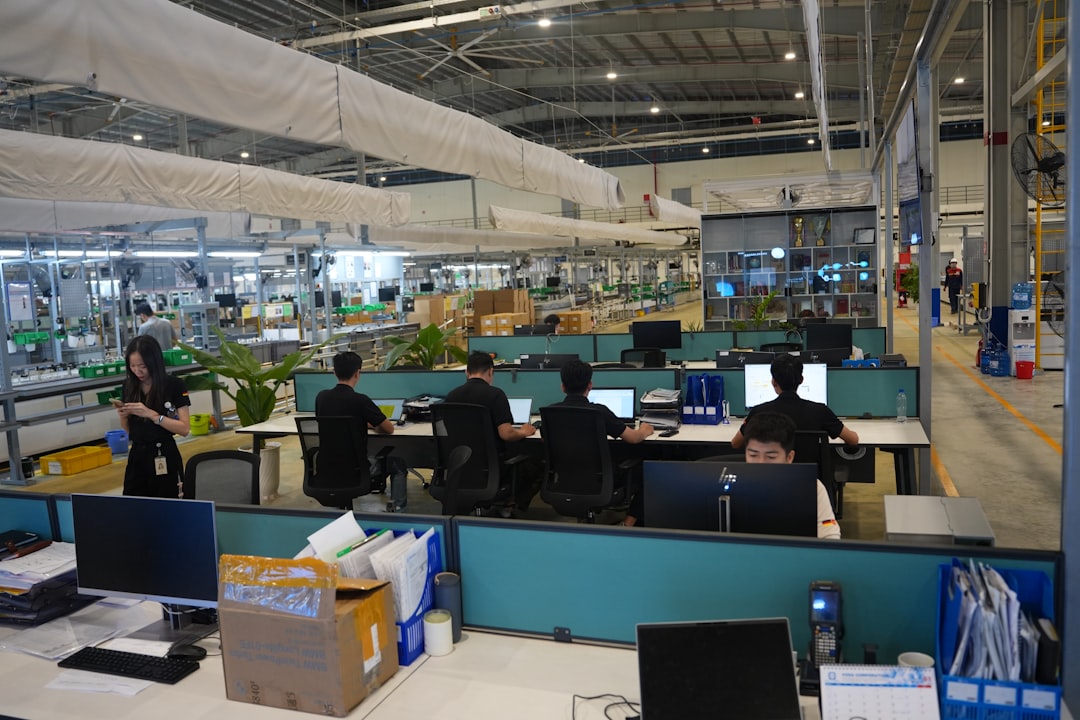
Another highlight of the month was meaningful progress in AI-powered robotics. Several startups demonstrated robots equipped with advanced vision-language models capable of interpreting natural instructions and adapting to changing environments.
These robots showcased:
- Dynamic task learning without extensive reprogramming
- Improved object recognition in cluttered environments
- Collaborative capabilities alongside human workers
Warehouse automation received particular attention. Robotic systems operated semi-autonomously while leveraging cloud-based AI models for continuous skill updates. Analysts described this as a pivotal step toward scalable, adaptable automation.
At the same time, researchers highlighted safety challenges. Deploying AI-driven robots in public or industrial settings requires rigorous testing protocols, fail-safe mechanisms, and transparency in decision-making processes.
Government Regulation Gains Momentum
September saw increased regulatory activity across major economies. In the United States, policymakers hosted additional hearings focused on AI transparency, national security implications, and consumer protections. Proposed frameworks emphasized accountability and risk classification.
The European Union moved closer to implementing the AI Act, advancing guidelines for high-risk systems in sectors such as healthcare, education, and law enforcement. These provisions include mandatory documentation, performance assessments, and explainability requirements.
Asian governments similarly announced initiatives aimed at balancing innovation with oversight. Some introduced regulatory “sandboxes” allowing AI companies to test new systems under structured monitoring conditions.
Key regulatory priorities identified this month included:
- Data governance and privacy safeguards
- Bias mitigation and fairness auditing
- Cybersecurity standards for AI infrastructure
- Clear labeling of AI-generated content
The global conversation increasingly reflects an understanding that AI governance must be collaborative and adaptable. Experts caution that overly restrictive rules could slow innovation, while insufficient oversight may increase societal risks.
Generative AI Expands Creative Boundaries
Generative AI continued to make headlines in September, particularly in media and entertainment. New tools allowed creators to produce high-quality video clips, realistic voice synthesis, and stylized graphics from simple prompts.

Filmmakers began experimenting with AI-generated background scenes, reducing production costs. Marketing agencies deployed AI systems to generate personalized ad variations at scale. Independent game developers used generative tools to accelerate character design and world-building processes.
However, this expansion also intensified discussions around intellectual property. Artists and writers expressed concerns about dataset sourcing and compensation. Industry groups called for clearer licensing arrangements and technical safeguards to protect original creators.
Watermarking technology and synthetic content detection systems gained additional investment during the month. Companies recognized that trust in digital media depends on robust authenticity verification tools.
AI and the Workforce: Continued Debate
The workforce impact of AI remained a central topic. September reports indicated that while certain administrative and repetitive tasks are increasingly automated, entirely new job categories are emerging.
Examples of growing roles include:
- AI system auditors
- Prompt engineers
- Human-AI interaction designers
- AI compliance officers
Educational institutions responded by expanding AI-related curricula. Universities introduced interdisciplinary programs combining computer science, ethics, and public policy. Online platforms reported surging enrollment in machine learning and data literacy courses.
Nevertheless, labor organizations called for proactive workforce transition strategies. Experts emphasized that reskilling initiatives must keep pace with technological acceleration to prevent widening inequality gaps.
Breakthroughs in AI for Science and Healthcare
In scientific research, AI systems made progress in protein structure prediction and materials discovery. Advanced models analyzed complex datasets to suggest potential drug compounds and energy-efficient materials.
Hospitals piloted AI-assisted triage systems capable of prioritizing urgent cases more effectively. Early results showed reduced wait times and improved patient outcomes in controlled studies.
Researchers also highlighted improvements in federated learning techniques, enabling institutions to collaborate on medical AI development without sharing sensitive patient data directly. This advancement supports privacy while maintaining innovation momentum.
Investment Trends and Startup Activity
September investment activity reflected strong confidence in AI’s long-term trajectory. Venture capital funding targeted areas such as:
- Vertical-specific AI applications
- AI cybersecurity solutions
- Energy-efficient AI hardware chips
- Edge computing platforms
While funding rounds remained substantial, investors demonstrated more selectivity compared to previous quarters. Profitability pathways and regulatory readiness became key evaluation criteria.
Additionally, partnerships between established corporations and AI startups increased. Rather than building systems internally, many enterprises opted for strategic acquisitions or integration agreements to accelerate AI deployment.
Ethics, Transparency, and Public Trust
Public discourse in September increasingly centered on the ethical dimensions of AI. Advocacy groups pressed for transparent reporting on training data sources, decision-making logic, and environmental impacts of large-scale model training.
Companies responded by publishing updated transparency reports detailing energy consumption, safety testing procedures, and red-teaming efforts. Although these disclosures marked progress, critics argued that standardized reporting frameworks are still needed.
Trust emerged as a decisive theme. As AI systems grow more capable, ensuring alignment with human values and societal norms remains a persistent challenge. Experts suggested that ongoing dialogue among technologists, policymakers, academics, and citizens will be essential.
Looking Ahead
September served as a microcosm of the broader AI transformation underway. Innovation accelerated across multiple domains, yet careful governance and responsible deployment gained equal prominence. The convergence of advanced modeling, enterprise adoption, and regulatory development suggests that AI is moving from experimental novelty to foundational infrastructure.
If current momentum continues, the coming months will likely bring even more powerful systems, deeper integration into daily life, and continued efforts to ensure that progress benefits society as a whole.
Frequently Asked Questions (FAQ)
1. What were the biggest AI developments in September?
Major model upgrades, increased enterprise AI adoption, robotics advancements, and expanded regulatory initiatives were among the most significant developments.
2. How did governments respond to AI growth?
Governments advanced regulatory frameworks focusing on transparency, risk management, bias mitigation, and consumer protection, particularly in the U.S. and EU.
3. Is AI replacing jobs?
AI is automating certain repetitive tasks, but it is also creating new roles in auditing, compliance, and AI system design. Workforce transition planning remains crucial.
4. What industries saw the most AI impact?
Finance, healthcare, logistics, manufacturing, media, and scientific research experienced notable AI integration during September.
5. Why is transparency in AI important?
Transparency builds public trust, ensures accountability, helps mitigate bias, and supports ethical deployment of AI technologies.
6. What is expected in the coming months?
Further model improvements, expanded enterprise implementation, and continued regulatory refinement are anticipated as AI adoption deepens globally.
