
What Is a Cloud Management Application and Why Your Business Needs One
Running a business today often feels like juggling flaming torches while riding a unicycle. You have apps. You have data. You have customers everywhere. And most of it lives “in the cloud.” But who keeps track of all that cloud stuff? That’s where a Cloud Management Application comes in.
TLDR: A Cloud Management Application helps you control, monitor, and optimize everything you run in the cloud. It keeps your costs in check, improves security, and makes daily operations easier. Instead of guessing what’s happening in your cloud systems, you get a clear dashboard view. If your business uses the cloud (and it probably does), you need one.
Let’s break it down in plain English.
First, What Exactly Is “the Cloud”?
The “cloud” is just a fancy name for servers that live somewhere else. Not in your office. Not under your desk. But in giant data centers run by companies like Amazon, Microsoft, or Google.
Instead of buying physical servers, you rent computing power online. It’s flexible. It’s scalable. It’s fast.
But here’s the catch.
Cloud services can get messy. Fast.
- Multiple apps
- Different providers
- Dozens of user accounts
- Growing monthly bills
- Security settings everywhere
Now imagine trying to manage all that manually.
So, What Is a Cloud Management Application?
A Cloud Management Application (CMA) is software that helps you monitor, manage, and optimize your cloud services from one central place.
Think of it like a control tower at an airport.
Your cloud apps are the planes. The control tower makes sure they:
- Take off correctly
- Land safely
- Don’t crash into each other
- Use the right amount of fuel
Without the control tower? Chaos.
With it? Smooth operations.
What Does a Cloud Management Application Actually Do?
Great question. Let’s get specific.
1. It Gives You Visibility
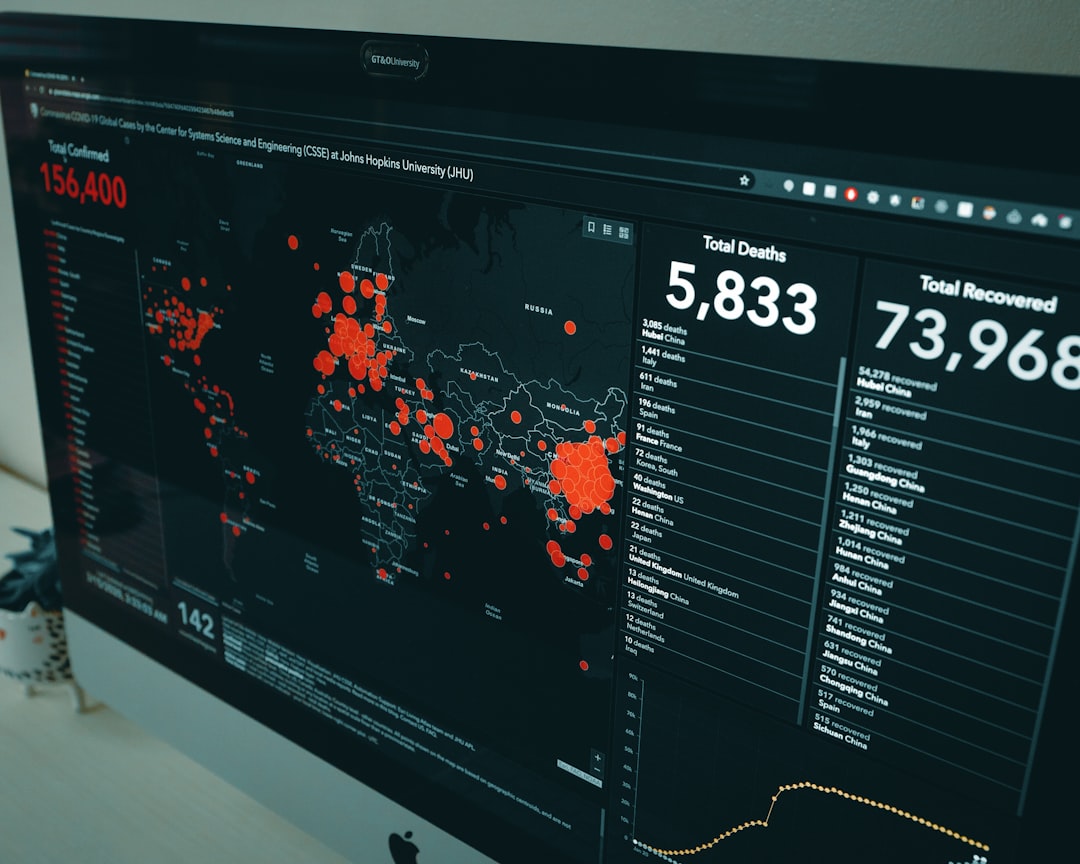
You can see everything in one dashboard. All your cloud services. All your usage. All your costs.
No more guessing.
No more logging into five different platforms.
You get clear visual insights like:
- How much storage you’re using
- Which apps consume the most resources
- Who logged in and when
- Performance trends
Clarity reduces stress. And mistakes.
2. It Controls Costs
The cloud is convenient. But it’s easy to overspend.
Why?
Because you pay for what you use. And sometimes, you forget what you’re using.
A Cloud Management Application helps you:
- Track real-time spending
- Set budget alerts
- Identify unused resources
- Shut down waste automatically
It’s like having a financial advisor for your cloud.
Imagine finding out you’re paying for servers no one uses. It happens more than you think.
3. It Strengthens Security
Security in the cloud is not automatic. You still need proper setup.
A Cloud Management Application helps enforce:
- Access controls
- Permission levels
- Policy compliance
- Threat monitoring
If someone logs in from an unusual place? You’ll know.
If a setting breaks compliance? You’ll be alerted.
That peace of mind is priceless.
4. It Automates Repetitive Tasks
Do you enjoy repetitive manual work?
Most people don’t.
Cloud management tools can automate:
- Server provisioning
- Backups
- Updates
- Scaling traffic up or down
This means fewer errors. Faster operations. Happier IT teams.

Why Your Business Needs One (Even If You’re Small)
You might think, “We’re not a big company. We don’t need this.”
Here’s the truth: small businesses often benefit the most.
1. You Probably Already Use the Cloud
Do you use:
- Google Workspace?
- Microsoft 365?
- Dropbox?
- Salesforce?
- Online accounting software?
That’s cloud computing.
If you use multiple services, things can get complicated. Quickly.
2. Mistakes Are More Expensive for Small Teams
A misconfigured setting in a large company is annoying.
In a small company, it can be devastating.
Data loss. Security breach. Unexpected $5,000 bill.
A Cloud Management Application reduces those risks.
3. Growth Becomes Easier
What happens when your business suddenly grows?
More customers. More traffic. More data.
Without management tools, scaling can feel like panic mode.
With the right system:
- You scale automatically
- You track usage in real time
- You prevent overload
Growth becomes exciting. Not scary.
Real-Life Example (Simple Version)
Let’s say you run an online store.
At first, it’s small. Cheap hosting. Basic tools.
Then one day, your product goes viral.
Traffic explodes.
Orders flood in.
Your website slows down. Customers complain.
What happened?
Your cloud resources couldn’t handle demand.
A Cloud Management Application would have:
- Spotted traffic spikes early
- Automatically increased server capacity
- Balanced loads efficiently
- Sent alerts about performance
Instead of losing sales, you would have handled the surge smoothly.
Key Features to Look For
Not all Cloud Management Applications are equal.
Here’s what to look for:
1. Multi-Cloud Support
If you use more than one cloud provider, your tool should support them all.
2. Cost Analytics
Detailed breakdowns. Forecasting. Budget alerts.
3. Automation Tools
Scheduling. Auto-scaling. Policy enforcement.
4. Strong Security Controls
Role-based access. Activity logs. Compliance reporting.
5. Easy Interface
If it’s too complex, your team won’t use it.
Simple is powerful.
Common Myths (Let’s Clear Them Up)
“The Cloud Manages Itself”
Nope. Providers maintain infrastructure. You manage your usage and configuration.
“We’re Too Small to Need It”
Small teams need efficiency even more than large enterprises.
“It’s Too Expensive”
Often, the money saved on waste and errors pays for the tool.
The Hidden Benefits
Some advantages are less obvious. But just as important.
Less Stress
Your IT team sleeps better at night.
Better Decision Making
Clear data leads to smart business choices.
Improved Collaboration
Teams see the same information. Confusion drops.
Future Readiness
As new technologies emerge, your foundation is solid.
In Simple Terms…
A Cloud Management Application is like:
- A dashboard for your digital life
- A budget tracker for cloud spending
- A security guard for your systems
- An assistant that automates boring tasks
Without it, you’re driving fast in heavy fog.
With it, the windshield is clear.
Final Thoughts
The cloud is amazing. It gives businesses speed, flexibility, and global reach.
But power without control creates risk.
A Cloud Management Application gives you control.
It turns confusion into clarity.
It turns surprise bills into predictable costs.
It turns security fears into confidence.
And most importantly, it frees you to focus on what really matters:
Growing your business.
If your company relies on the cloud — even a little — the real question isn’t “Do we need a cloud management application?”
It’s “How are we operating without one?”
