
Practical Tips For Reducing Energy Bills With Smart Home Renovations
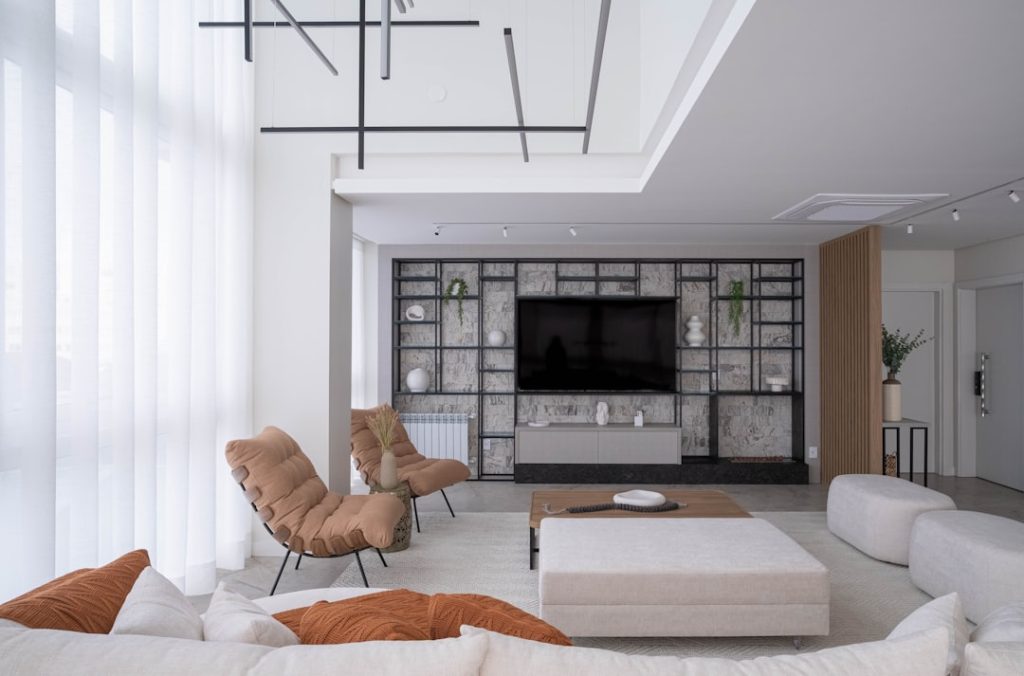
Rising energy costs and growing environmental awareness have pushed many homeowners to rethink how their houses operate on a daily basis. Smart home renovations offer a practical, tech-driven way to reduce energy bills while improving comfort, convenience, and even property value. Instead of relying on a single upgrade, combining several smart strategies can dramatically change how efficiently your home uses electricity, heating, and cooling.
TL;DR: Smart home renovations can significantly reduce energy bills by using technology to optimize heating, cooling, lighting, and appliance use. Upgrades like smart thermostats, automated lighting, and energy monitoring help eliminate waste without sacrificing comfort. When combined with proper insulation and efficient habits, these renovations can pay for themselves over time. The key is choosing scalable improvements that fit both your budget and lifestyle.
Why Smart Renovations Matter for Energy Savings
Traditional homes are often inefficient because they rely on fixed settings and manual control. Lights get left on, heating runs in empty rooms, and appliances operate when energy demand is highest. Smart renovations change this by allowing your home to respond dynamically to your habits and needs.
By using sensors, algorithms, and connected devices, a smart home can make small adjustments throughout the day. Individually, these changes may seem minor. Together, they can lower energy consumption by a noticeable margin, sometimes cutting utility bills by 15–30 percent.
Start With a Smart Thermostat
If there is one renovation nearly every expert agrees on, it is installing a smart thermostat. Heating and cooling account for a major portion of household energy use, and outdated thermostats waste a surprising amount of power.
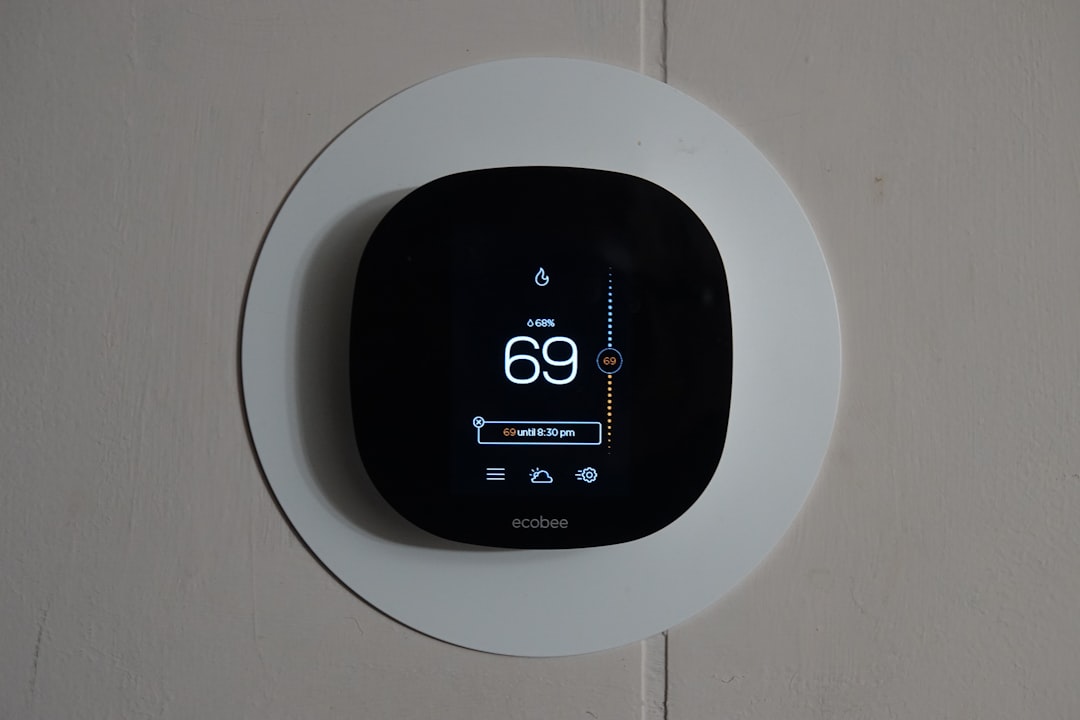
A smart thermostat learns your daily schedule, preferred temperatures, and even how quickly your home heats or cools. Over time, it automatically adjusts to minimize energy use without constant user input. Many models also respond to weather forecasts and local energy prices.
- Automatic scheduling: Reduces heating or cooling when no one is home.
- Remote control: Adjust settings from a phone, preventing wasted energy.
- Usage reports: Show exactly where energy is being spent.
For many households, this single upgrade can lead to noticeable savings within the first year.
Upgrade Lighting With Smart Controls
Lighting may not use as much power as heating or cooling, but its impact adds up quickly, especially in larger homes. Smart lighting systems replace standard bulbs and switches with connected alternatives that adapt to how spaces are used.
Smart bulbs use LED technology, which already consumes less energy. Their real advantage, however, lies in automation. Lights can turn off automatically when a room is empty or dim themselves based on natural daylight.
- Occupancy sensors prevent lights from staying on unnecessarily.
- Dimming and scheduling reduce brightness during low-activity hours.
- Scene control allows multiple lights to be managed at once.
Over time, these small efficiencies reduce both electricity bills and bulb replacement costs.
Improve Insulation With Smart Monitoring
Even the most advanced smart devices cannot compensate for poor insulation. Heat escaping through walls, roofs, and windows forces HVAC systems to work harder. Smart renovations address this issue by pairing insulation upgrades with monitoring technology.
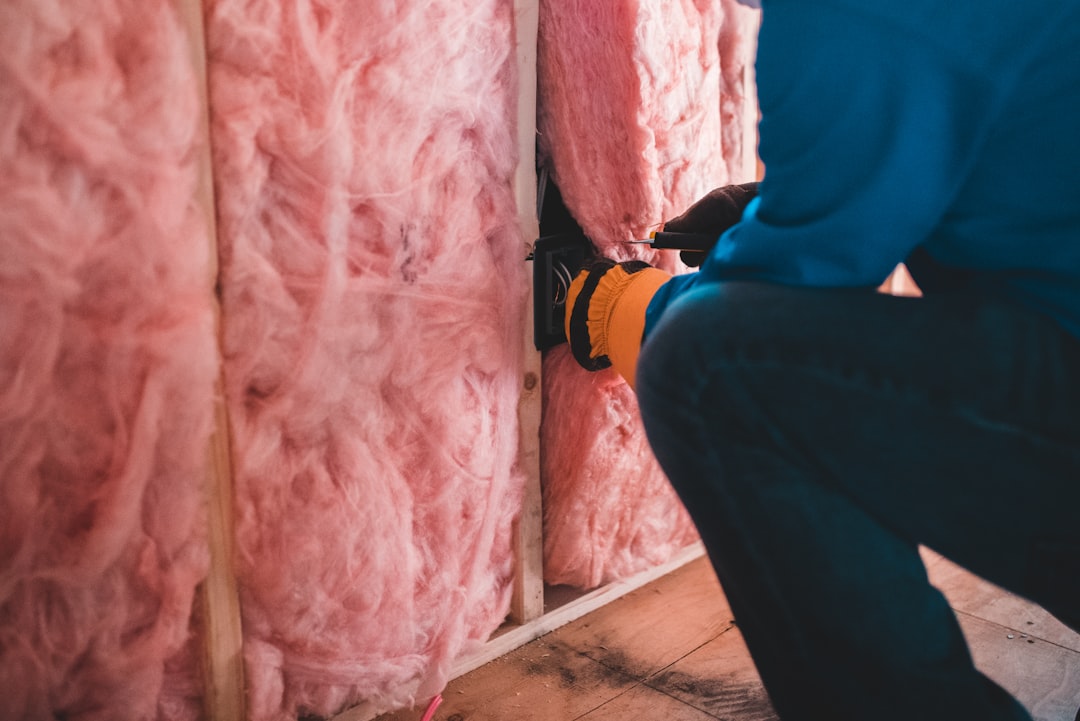
Smart temperature sensors placed throughout the home can reveal cold spots, heat leaks, and areas with uneven airflow. This data helps homeowners target insulation improvements instead of guessing where problems exist. Combined with thermal imaging audits, you can make precise, cost-effective upgrades.
Common focus areas include:
- Attics and roof spaces
- Basements and crawl spaces
- Windows and exterior doors
Sealing these gaps reduces energy waste year-round, making every other smart system more effective.
Use Smart Plugs and Power Strips
Many appliances draw power even when they appear to be turned off, a phenomenon often referred to as phantom energy use. Smart plugs and power strips are an inexpensive renovation that targets this hidden waste.
By cutting power to devices when they are not in use, these tools prevent energy from leaking out of your home’s electrical system. Some models can even learn usage patterns and shut off automatically.
- Ideal for entertainment centers and home offices
- Provides usage data for individual devices
- Easy to install without rewiring
This upgrade is especially useful for older electronics that lack modern power-saving features.
Invest in Energy-Efficient Smart Appliances
When it comes time to replace major appliances, choosing smart, energy-efficient models can make a long-term difference. Modern refrigerators, washing machines, and dishwashers are designed to optimize water and electricity use based on load size and timing.
Many smart appliances can be scheduled to run during off-peak hours, when electricity is cheaper. Others provide performance feedback, alerting you to maintenance issues that could lead to wasted energy if ignored.
While these appliances often have a higher upfront cost, their efficiency and extended lifespan can offset the initial investment over time.
Monitor Everything With a Home Energy Dashboard
One of the most powerful aspects of smart home renovations is visibility. A home energy monitoring system acts like a dashboard for your entire house, showing how much power is being used in real time.

Seeing energy consumption broken down by device or room changes behavior. Homeowners often discover unexpected spikes and adjust habits accordingly. This awareness alone can lead to measurable savings.
Energy dashboards help by:
- Identifying inefficient appliances
- Tracking progress after renovations
- Encouraging energy-conscious routines
Integrate Solar and Smart Storage Solutions
For homeowners ready for a larger renovation, integrating solar panels with smart energy storage can dramatically reshape energy bills. Solar systems paired with smart inverters and batteries allow you to store excess power and use it when rates are highest.
Smart management software decides when to draw energy from the grid, when to use stored power, and when to sell electricity back, if local policies allow. Over time, this optimized balance can reduce dependence on utilities.
Build Smart Habits Along With Smart Homes
Technology alone cannot solve energy waste. The most successful smart renovations work because they support better habits. When homeowners engage with their systems, review reports, and adjust settings, savings increase.
Simple actions like reviewing weekly energy summaries or setting seasonal temperature goals ensure that smart systems continue to work as intended. Think of smart renovations as a partnership between human decision-making and automated efficiency.
Final Thoughts
Reducing energy bills does not require sacrificing comfort or convenience. Through thoughtful smart home renovations, you can create a living space that adapts, learns, and conserves. From smart thermostats and lighting to insulation monitoring and energy dashboards, each upgrade adds another layer of efficiency.
When combined into a cohesive system, these improvements transform your home into an active participant in energy savings. Over time, the financial benefits compound, making smart renovations not just a modern luxury, but a practical investment in a more efficient future.
