
The Psychology of Color Choices in Clothing
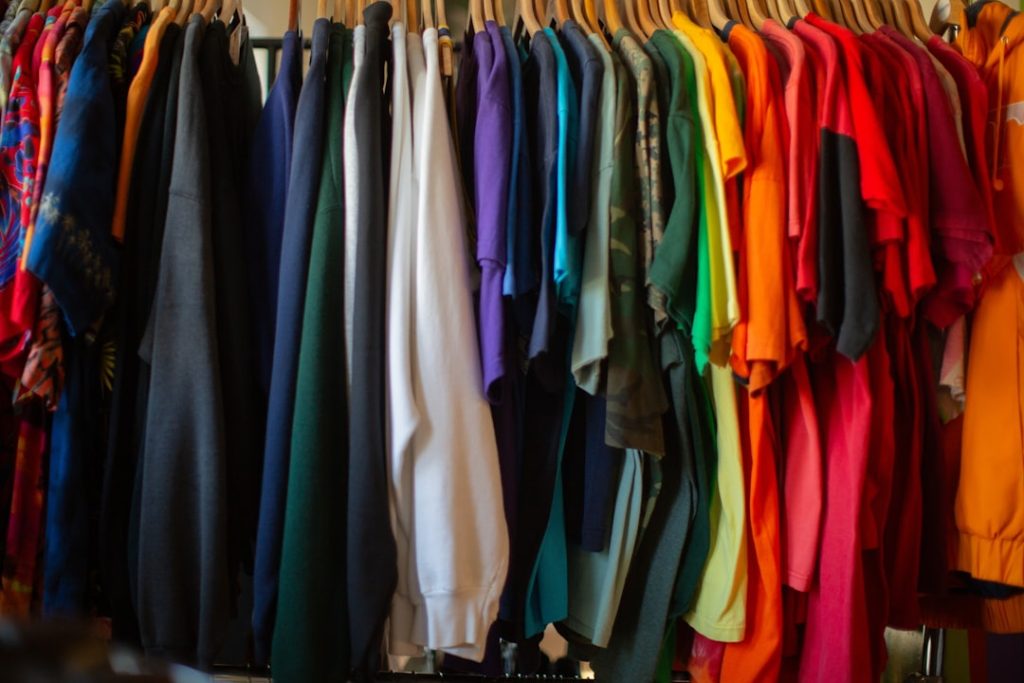
What we wear is more than just a matter of style or seasonal trends. Our clothing choices are often subconscious expressions of our internal states, beliefs, and perspectives. One particularly powerful aspect of this is the color we choose to wear. Psychologists and behavioral researchers have long studied how color influences perception — both how we perceive others and how we are perceived — and the implications for social interactions, self-perception, and even performance and success.
TLDR
Colors in clothing play a powerful role in how individuals are perceived and how they feel about themselves. Warm colors like red and yellow can project confidence and energy, while cool colors like blue and green often convey calmness and trustworthiness. These subconscious associations can influence personal, professional, and social outcomes. Understanding the psychology behind color choices in clothing can help people make more intentional decisions that align with their goals and desired perceptions.
The Subconscious Influence of Color on Emotions
Color psychology suggests that different hues can evoke specific emotional responses. While individual experiences and cultural backgrounds can create variations in color interpretation, several emotional responses to colors are generally consistent across many populations:
- Red: Associated with energy, passion, and power. Also known to increase heart rate and stimulate a sense of urgency.
- Blue: Known for its calming effect. Often associated with stability, trust, and competence.
- Black: Symbolizes elegance, sophistication, and authority, but can also connote mourning or seriousness.
- White: Represents purity, simplicity, and cleanliness, often signifying a fresh start.
- Yellow: Evokes happiness and optimism, but excess yellow can create feelings of anxiety in some.
- Green: Suggests balance, health, and tranquility, commonly associated with nature and renewal.
When applied to clothing, these color-emotion associations influence not only how others view the wearer but also how the wearer feels internally. Research has shown that wearing certain colors can affect confidence, mental performance, and even mood throughout the day.
Color and Perception: What We Communicate Without Speaking
Clothing color can send powerful non-verbal signals. For example, someone who wears bright or bold colors like red or orange may appear more assertive and extroverted, whereas someone in muted tones such as grey, navy, or beige might be perceived as more reserved or disciplined.
Here are a few common interpretations of color in clothing across various social and professional settings:
- Red in Business: Wearing red in a corporate environment suggests leadership and ambition. However, it might also come across as aggressive if overused.
- Blue in Interviews: Blue is often chosen for job interviews or first meetings due to its association with trust and professionalism.
- Black in Formal Events: Sleek black clothing is a staple for formal wear, portraying elegance and seriousness.
- White in Celebrations: Particularly in Western cultures, white is preferred in weddings and milestone celebrations due to its connotations of purity and new beginnings.
In many ways, the color palette one chooses from their wardrobe becomes an extension of their personal brand — a visual shorthand for their values, personality, and intent.
The Impact of Color on Self-Perception
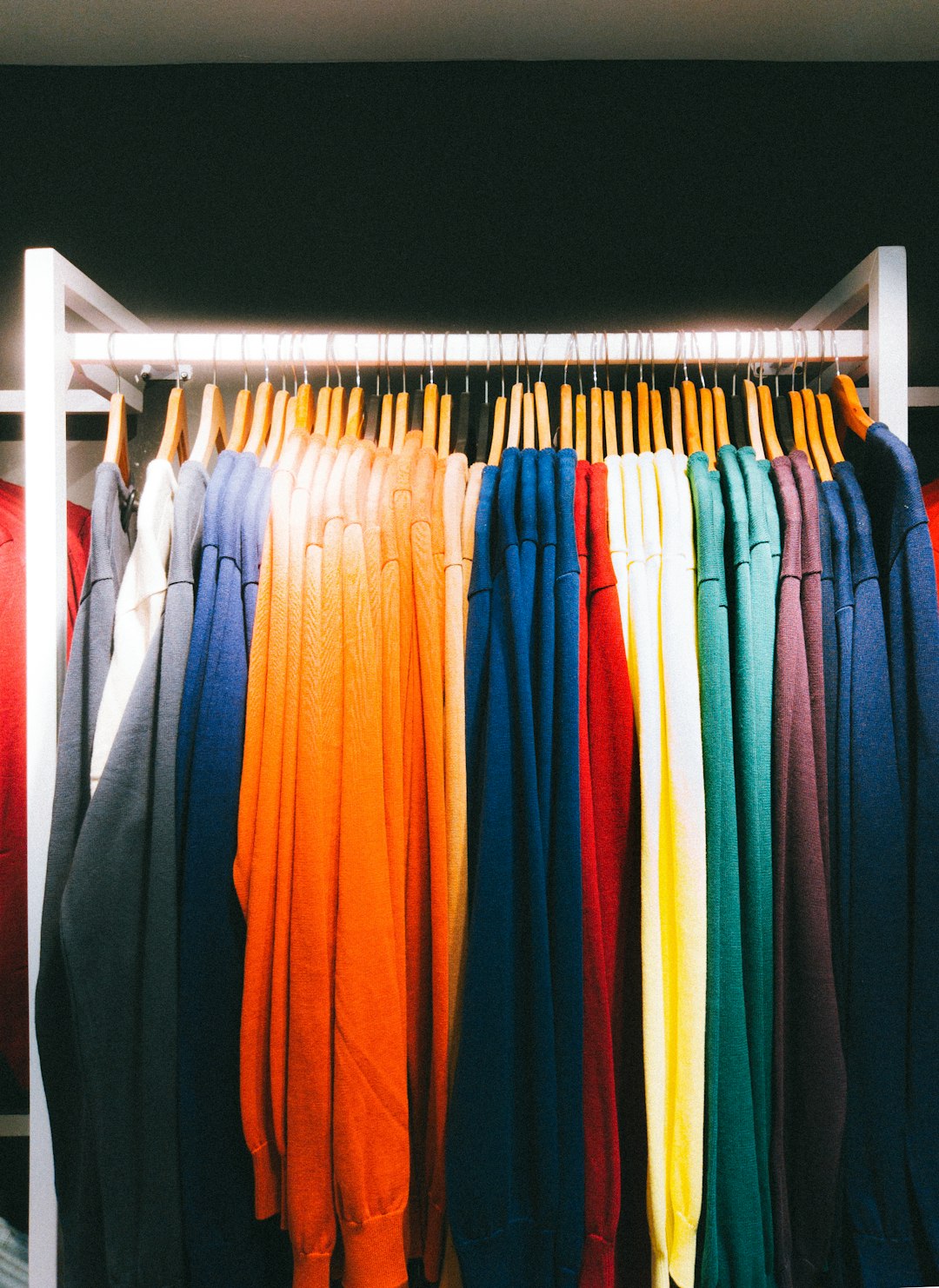
Color doesn’t just shape how others see us — it also affects how we perceive ourselves. This is especially true in environments where confidence, emotional energy, and mindset are critical. For instance, athletes wearing red have been statistically shown to win more often in competitive sports, a phenomenon psychologists attribute to red’s empowering effect on the wearer’s confidence and perceived dominance.
Similarly, wearing colors associated with peace and balance, such as green or blue, can reduce stress and promote mental clarity. Individuals working in high-pressure jobs may unconsciously gravitate toward these shades to create a sense of internal calm and control.
Color choices can also serve therapeutic purposes. In color therapy (chromotherapy), patients are exposed to specific colors to alleviate moods such as sadness or anxiety. Though clinical evidence for chromotherapy is still being studied, its principles echo the broader findings of color psychology in clothing.
Cultural Interpretations of Color in Clothing
While many color associations are psychologically universal, cultural contexts play a major role in shaping how colors are perceived and used. For example:
- White: In Western cultures, white symbolizes purity and is traditionally worn at weddings. In contrast, many Asian cultures associate white with mourning and funerals.
- Red: Globally, red often implies celebration and prosperity in cultures like Chinese and Indian, where it is used in festivals and weddings.
- Black: In the West, black is equated with formality and grief, while in some African cultures, it may symbolize maturity and spiritual energy.
Understanding these nuances is critical for international business, diplomacy, and global events, where misinterpretation of clothing color can send unintended messages or even cause offense.
Psychological Insights into Fashion Trends
Fashion trends often reflect the psychological climate of the time. For instance, during economic downturns, clothing often shifts toward darker, more conservative colors. This phenomenon, known as the “Lipstick Effect,” also manifests in fashion as people seek comfort and stability through simple, reassuring aesthetics in times of stress.
Conversely, periods of cultural revival or optimism tend to be marked by bold and eclectic color choices as society embraces creativity, freedom, and expression. Designers often predict trends based not only on seasons but on societal mood — and color is central to that prediction.
How to Use Color Psychology in Your Wardrobe
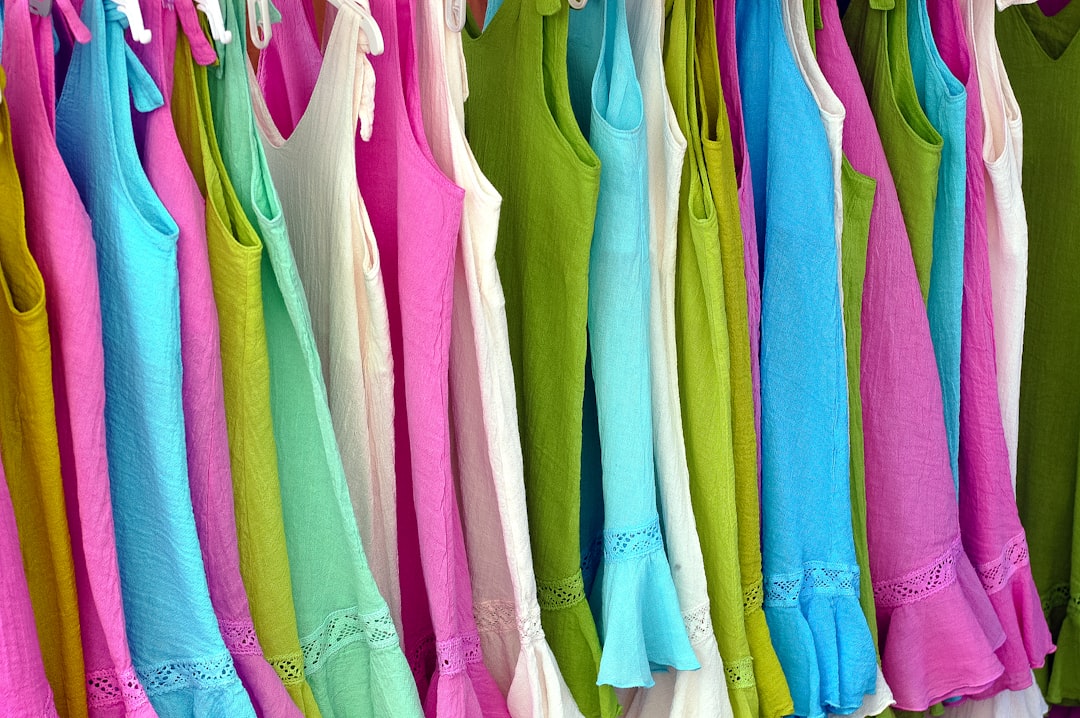
Understanding the psychology of color can lead to more considered wardrobe choices, enhancing both self-expression and practical communication. Here are a few tips for applying this knowledge:
- Identify your goals: Want to look approachable? Try soft blues and greens. Need to command a room? Introduce red accents or a black blazer.
- Match the color to the occasion: Consider the setting — job interviews may favor neutral tones for professionalism, while networking events could benefit from pops of brighter colors to enhance memorability.
- Use color to shift mindset: Feeling low-energy? Vibrant colors like orange and yellow may help revitalize your mood.
- Experiment mindfully: Small changes in accessories or layering allow you to ease into bolder color choices without fully committing to a major wardrobe shift.
Self-awareness and experimentation are key. Over time, most people develop an intuitive sense of what colors align with their personal aesthetic and objectives — but having a scientific basis can guide choices more effectively.
Conclusion
The psychology of color in clothing is a fascinating intersection of psychology, marketing, culture, and self-expression. Whether consciously or subconsciously, the colors we wear affect how we see the world and how the world sees us. By understanding these influences, individuals can tailor their wardrobe to not only look good but also communicate more effectively, boost their confidence, and align more closely with their goals.
In a world where first impressions happen in milliseconds and personal branding is more important than ever, color becomes an invaluable tool. From the boardroom to the classroom, from celebratory events to quiet reflections, what you wear — and what color it is — speaks volumes.
