
6 Real Estate CRM Software Tools for Managing Listings and Client Pipelines
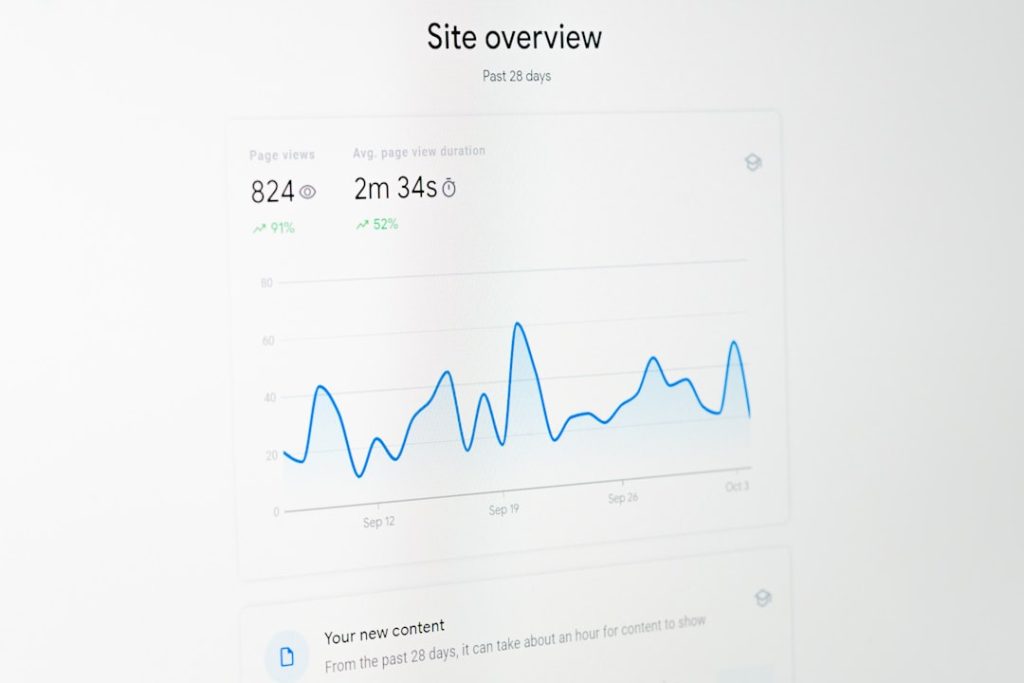
In today’s competitive real estate market, managing listings and client relationships with sticky notes and spreadsheets simply isn’t enough. Agents and brokers juggle dozens of listings, hundreds of leads, follow-ups, showing schedules, negotiations, and marketing campaigns—all at once. That’s where real estate CRM (Customer Relationship Management) software becomes essential. The right CRM doesn’t just organize contacts; it streamlines your workflow, automates communication, and helps you close deals faster.
TLDR: Real estate CRM tools help agents manage listings, automate follow-ups, nurture leads, and track deals in one centralized system. The best platforms combine contact management, marketing automation, pipeline tracking, and listing integration. This article explores six top real estate CRM software options, highlighting their strengths and ideal use cases. A comparison chart is included to help you quickly evaluate which solution best fits your business.
Why Real Estate Professionals Need a CRM
Real estate is fundamentally about relationships. But as your client base grows, manually tracking conversations and transactions becomes overwhelming. A real estate CRM helps you:
- Organize contacts (buyers, sellers, vendors, partners)
- Track listing details and property status
- Automate follow-ups via email and SMS
- Visualize your sales pipeline
- Manage marketing campaigns
- Improve response time and client satisfaction

Below are six powerful CRM tools that stand out in the real estate industry.
1. Follow Up Boss
Best for high-volume lead management and team collaboration.
Follow Up Boss is widely regarded as one of the most intuitive and real estate-focused CRM platforms available today. It’s designed specifically for agents and brokerages that receive leads from multiple sources like Zillow, Realtor.com, Facebook Ads, and websites.
Key Features:
- Automated lead distribution among team members
- Email and SMS drip campaigns
- Two-way texting and calling
- Pipeline tracking with customizable stages
- Over 200 lead source integrations
Its clean interface and smart automation tools make it ideal for teams looking to scale without losing control over their leads.
2. kvCORE
Best for brokerages needing an all-in-one platform.
kvCORE goes beyond basic CRM functionality by combining lead generation, marketing automation, and listing management into one ecosystem. It’s particularly popular among larger brokerages.
Key Features:
- Built-in IDX website
- Automated behavioral follow-ups
- Smart campaigns triggered by user actions
- Advanced reporting dashboard
- Team accountability tracking
Its behavioral automation tracks what clients click, view, and save—then triggers personalized responses automatically.

3. LionDesk
Best budget-friendly CRM with video communication features.
LionDesk offers impressive functionality at a competitive price point. It’s especially known for its built-in video email and text messaging features, which add a personal touch to client communication.
Key Features:
- Video email and texting
- AI-powered lead follow-up assistant
- Transaction management tools
- Bulk texting capabilities
- Custom drip campaigns
Independent agents or smaller teams often find LionDesk to be a cost-effective yet powerful option.
4. Real Geeks
Best for lead generation and conversion.
Real Geeks combines IDX websites, Facebook marketing tools, and CRM functionality into one streamlined platform. It’s particularly strong at generating and capturing buyer and seller leads.
Key Features:
- Lead capture landing pages
- Built-in Facebook ad tools
- Automated email drip sequences
- Listing alerts for clients
- Pipeline tracking dashboard
Its marketing-first approach makes it appealing for agents focused heavily on digital lead acquisition.
5. Wise Agent
Best for transaction management and document organization.
Wise Agent has built a reputation as a transaction-focused CRM that integrates deeply with listing and documentation workflows. It helps agents stay compliant while keeping everything organized.
Key Features:
- Transaction checklists
- Document storage
- Time block scheduling
- Lead automation tools
- Integration with major MLS platforms
Its emphasis on transaction oversight makes it ideal for detail-oriented agents managing multiple contracts simultaneously.
6. HubSpot (Customized for Real Estate)
Best for advanced marketing automation and scalability.
While not designed exclusively for real estate, HubSpot can be customized to manage listings and client pipelines effectively. It’s especially valuable for brokerages with strong marketing teams.
Key Features:
- Visual sales pipelines
- Email automation workflows
- Advanced analytics and reporting
- Custom property tracking fields
- Extensive integrations
HubSpot shines when businesses require deep marketing analytics and long-term scaling flexibility.

Comparison Chart: Top Real Estate CRM Tools
| CRM Tool | Best For | Lead Generation | Automation Level | Team Features | Price Range |
|---|---|---|---|---|---|
| Follow Up Boss | High-volume lead handling | Integrations | High | Excellent | Mid-High |
| kvCORE | Brokerages | Built-in IDX | Very High | Advanced | High |
| LionDesk | Budget agents | Basic capture tools | Moderate | Good | Low-Mid |
| Real Geeks | Online lead generation | Strong Facebook tools | Moderate | Solid | Mid |
| Wise Agent | Transaction management | Limited | Moderate | Good | Mid |
| HubSpot | Marketing heavy teams | Custom integrations | Very High | Excellent | Variable |
How to Choose the Right CRM for Your Real Estate Business
Choosing the right CRM depends on your goals, team size, and workflow style. Ask yourself:
- Do I primarily need lead generation or better follow-up automation?
- Am I working independently or managing a team?
- Do I need built-in marketing tools?
- How important is transaction management compliance?
- What is my monthly budget?
Solo agents may prioritize affordability and ease of use. Growing teams might value lead distribution and performance tracking. Brokerages often require enterprise-level reporting and marketing integration.
The Impact of CRM on Listing and Pipeline Management
The biggest advantage of a real estate CRM is visibility. Instead of wondering which clients need follow-ups or which listings are about to expire, everything is clearly outlined in your pipeline dashboard.
Effective CRM usage can help you:
- Reduce missed follow-ups
- Shorten sales cycles
- Increase repeat and referral business
- Improve team accountability
- Boost listing-to-close conversion rates
A well-configured CRM system effectively becomes your digital assistant—tracking, reminding, automatically messaging, and organizing around the clock.
Final Thoughts
Managing listings and client pipelines in 2026 demands more than spreadsheets and basic contact databases. The six CRM tools highlighted above—Follow Up Boss, kvCORE, LionDesk, Real Geeks, Wise Agent, and HubSpot—each offer unique strengths tailored to different types of real estate professionals.
The best CRM is ultimately the one that aligns with your workflow and helps you build stronger relationships while saving time. Whether you’re a solo agent growing your first pipeline or a brokerage scaling operations across multiple markets, investing in the right real estate CRM software can transform how you manage listings—and how efficiently you close deals.
In real estate, follow-up is fortune. A powerful CRM just ensures you never leave that fortune to chance.
