
10 Best Essential Trading Strategies and Techniques in 2025
In the fast-evolving world of financial markets, staying up-to-date with cutting-edge trading strategies is essential for both novice and experienced traders. As we move deeper into 2025, the trading landscape continues to be shaped by technological advancements, algorithmic tools, and shifting economic forces. Whether you’re involved in stock markets, forex, or crypto trading, knowing what strategies to implement can make the difference between profit and loss.
TLDR: The 10 Best Essential Trading Strategies and Techniques in 2025
In 2025, traders are leveraging a combination of traditional and AI-driven techniques to navigate complex markets. Among the top strategies are algorithmic trading, swing trading, and risk management protocols. Technical indicators still play a vital role, but emerging tools such as sentiment analysis and real-time data integration offer a competitive advantage. This article explores the most effective strategies for consistent success in today’s dynamic trading environment.
1. Algorithmic Trading
Algorithmic trading continues to dominate the trading realm in 2025. Through high-frequency trading (HFT) and AI-powered algorithms, traders can execute orders within microseconds. The increased precision, emotionless decision-making, and ability to backtest strategies make it a core method for professionals and institutions alike.
- Tool Requirements: Python, R, or specialized platforms like MetaTrader or NinjaTrader.
- Best For: Experienced traders with coding skills or access to data science teams.

2. Day Trading
Day trading remains a popular strategy, especially for those trading in volatile markets like cryptocurrency or forex. The idea is to capitalize on short-term price movements within the same trading day, avoiding overnight risk. Timing, speed, and the ability to interpret charts quickly are essential here.
- Use candlestick patterns and short-term technical indicators like RSI and MACD.
- Always define stop-loss and take-profit levels before entering trades.
3. Swing Trading
Swing trading is aimed at capturing gains over a few days to several weeks. It strikes a balance between day trading and long-term investing, making it ideal for traders who cannot monitor markets constantly but still want to make active trades.
Popular swing trading methods in 2025 include trend following techniques, pattern recognition, and volume-based analysis.
4. Trend Following
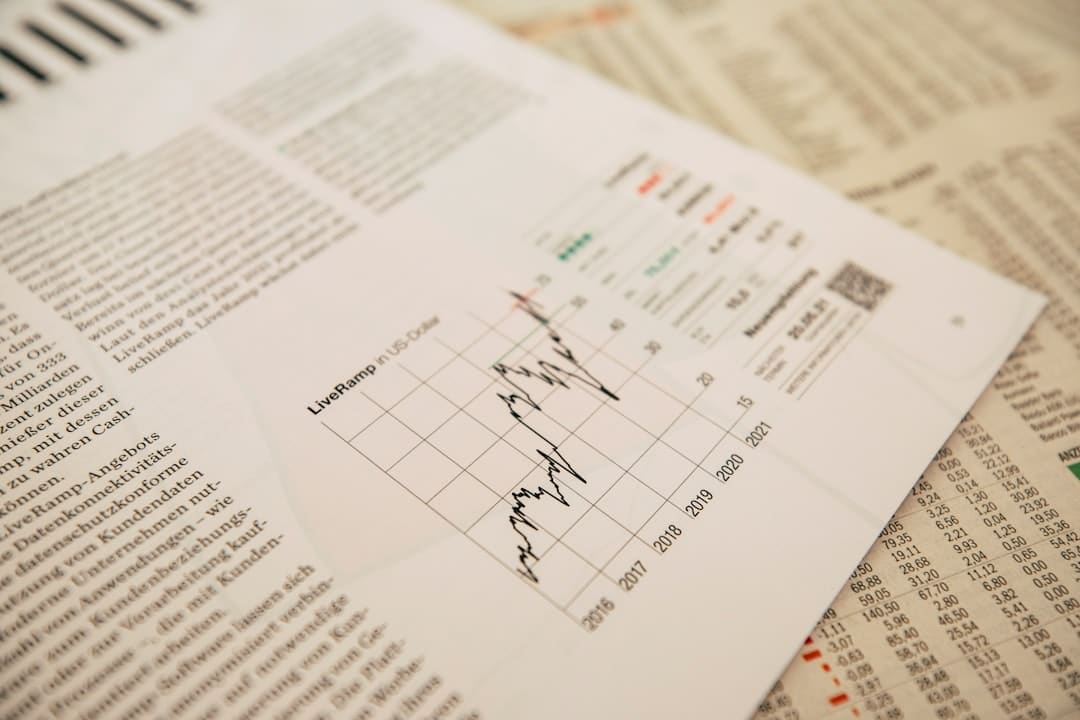
Trend following strategies focus on riding the momentum of market direction—either upward or downward. This is often used in longer timeframes and takes advantage of persistent moves in the market. In 2025, AI tools have improved the ability to identify false trends, allowing traders to adjust faster.
- Utilize moving averages (50-day, 200-day) and ADX indicators.
- Pairs well with risk management or trailing stop-loss strategies.
5. Breakout and Breakdown Strategies
Identifying key support and resistance levels is core to breakout and breakdown trading. When the price crosses a significant level with high volume, it often continues strongly in the direction of the break.
- Look for tight consolidations before the breakout.
- Use volume indicators to confirm validity.
6. Mean Reversion
In 2025, mean reversion techniques remain reliable for range-bound markets. This strategy hinges on the idea that prices will revert to their historical mean or moving average.
It’s particularly effective in forex and commodities where markets tend to react to macro-level deviations.
- Tools: Bollinger Bands, RSI divergence, and standard deviation levels.
- Risk: Markets that enter a strong trend may make reversion strategies less effective.
7. Quantitative Analysis and Data Mining
Traders in 2025 are increasingly turning to quantitative analysis to create personalized trading strategies. This involves using statistical models and large datasets to find trading opportunities. With machine learning integrated into many platforms, data mining has become more accessible and insightful.
- Use datasets including economic news, earnings reports, and social media sentiment.
- Platforms like QuantConnect and Alpaca make this feasible for retail traders.
8. Sentiment Analysis
Sentiment analysis uses natural language processing (NLP) to determine market sentiment by analyzing news headlines, tweets, and other public data streams. In 2025, this method has become precise enough to offer significant trading edges, particularly during earnings seasons or geopolitical events.
- Twitter sentiment can lead short-term predictive signals.
- Integrate with other strategies, not as a standalone method.
9. Risk Management Techniques
No strategy is complete without solid risk management. In 2025, dynamic position sizing, AI-based risk calculators, and automated portfolio rebalancing are commonly used.
- Never risk more than 1-2% of your capital on a single trade.
- Adjust strategies based on volatility (use ATR or VIX indicators).
10. Copy Trading and Social Trading Platforms
With the rise of blockchain transparency and decentralized platforms, copy trading has grown rapidly. Traders can replicate the portfolios and strategies of seasoned investors in real-time, often with performance tracking and customizable filters.
- Platforms: eToro, ZuluTrade, and decentralized alternatives on blockchain-based networks.
- Note: Always analyze trader statistics before copying automatically.
Final Thoughts
In conclusion, trading in 2025 involves a blend of technological innovation, data-driven insight, and time-tested techniques. Whether you prefer hands-on approaches like day trading and swing trading, or automated systems like algorithmic or sentiment-based strategies, having a clear, educated plan is crucial. Ultimately, consistent profits come not only from choosing the right strategies but also implementing them with discipline, risk management, and emotional control.
Frequently Asked Questions (FAQ)
1. What strategy is best suited for beginners in 2025?
Swing trading and trend following are excellent for beginners due to their moderate pace and reliance on fundamental and technical indicators that are easy to learn.
2. How important is AI in trading in 2025?
AI has become increasingly vital, especially for algorithmic and sentiment-based strategies. AI tools now help reduce human error, optimize timing, and interpret large volumes of data instantly.
3. What markets are best for day trading?
Cryptocurrencies, forex, and highly liquid stocks (like those in Nasdaq 100) are preferred for day trading due to their volatility and tight spreads.
4. Can I trade profitably without a coding background?
Yes, platforms with user-friendly interfaces and copy-trading features allow non-coders to participate effectively. However, a basic understanding of data analysis can still offer a competitive edge.
5. How much capital is required to start trading in 2025?
Thanks to fractional trading and low-fee brokers, you can start with as little as $100. However, to implement more advanced strategies or reduce risk diversification, a higher capital base is advisable.
6. Is social sentiment reliable for trading?
Sentiment analysis offers timely insights but should complement, not replace, core trading strategies. It’s most useful during announcements or unexpected market-moving events.
