
Artificial Zoo: Future of Wildlife Conservation and Recreation
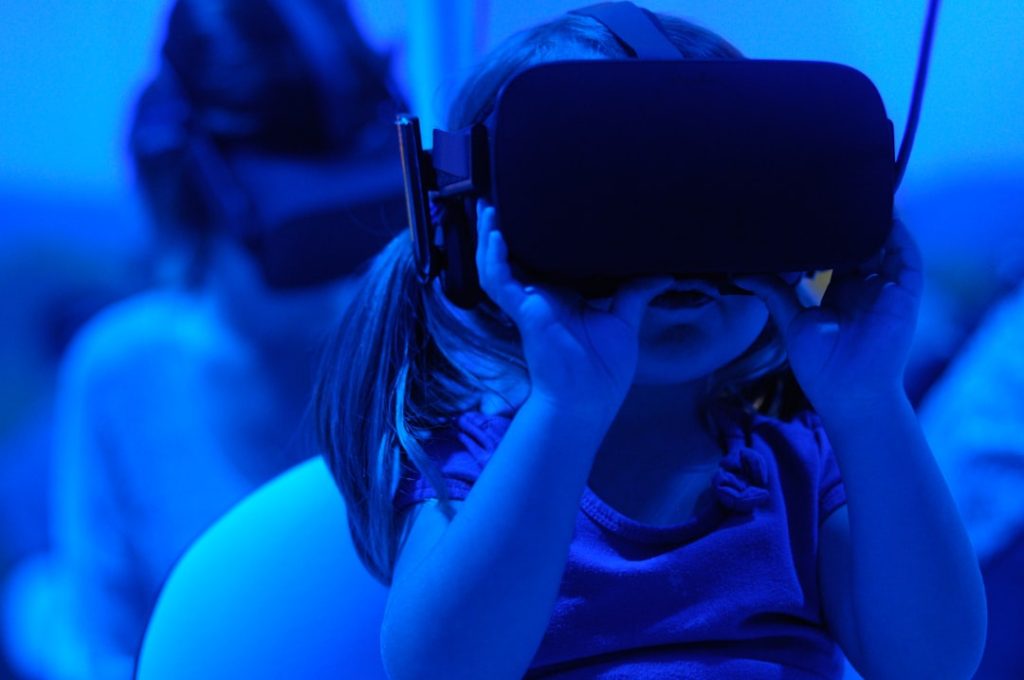
Imagine visiting a zoo where no animals are held in cages, yet you can see lions hunt, elephants roam, and penguins slide on icy tracks. Welcome to the world of the Artificial Zoo — a modern blend of science, technology, and imagination designed to revolutionize how we connect with wildlife.
TLDR: Artificial zoos are futuristic parks using virtual and robotic animals instead of real ones. They help conserve wildlife by keeping animals in their natural habitats. Visitors still get to interact and learn through immersive and fun experiences. These zoos could make animal entertainment more humane and sustainable.
What Is an Artificial Zoo?
An Artificial Zoo is a new type of wildlife park. It doesn’t cage living animals. Instead, it uses advanced technologies like:
- Virtual Reality (VR)
- Augmented Reality (AR)
- Animatronics
- Holograms and 3D projections
You wear special goggles or enter a projected dome. Suddenly, you’re face to face with a tiger on the prowl. But don’t worry — it’s not real! It’s a digital or robotic creation programmed to behave like a real wild animal.
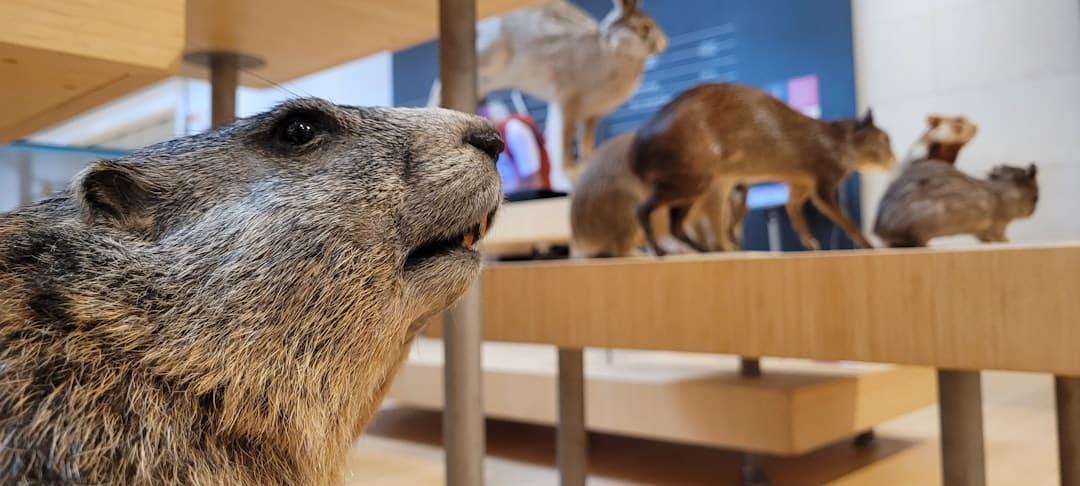
Why Build Zoos Without Real Animals?
Good question. Traditional zoos have helped people learn about animals. But keeping wild animals in cages isn’t ideal. Here’s why artificial zoos are better:
- No more cages: Animals stay in nature, where they belong.
- Less stress for animals: No transport, no artificial habitats.
- Better learning: See rare or extinct animals in action.
- Climate safe: No need for cooling habitats for polar bears or heating for tropical ones.
This way, people still learn, but the animals live better lives. Wins all around!
Cool Tech Behind Artificial Zoos
Ever heard of animatronic dinosaurs? Artificial zoos take that idea even further. Here’s a peek at what powers them:
- Robotic animals: Life-like models that move, walk, and even roar.
- Holo-animals: 3D projections that make it seem like a giraffe is right beside you.
- VR headsets: Explore a digital jungle or swim with whales.
- Touch-screens and smart apps: Learn animal sounds, play conservation games, and take virtual safaris!
Fun for the Whole Family
Artificial zoos can be super fun. Think of them as video games and nature documentaries rolled into one. Here’s what you can do:
- Walk inside a volcano-side forest filled with virtual monkeys.
- Join a scavenger hunt for endangered creatures.
- Join a night safari under digital stars.
- Try your hand at being a zookeeper in a VR mission.
Plus, no risk of a real lion escape! It’s safe, clean, and full of wonder.
Saving the Real Wildlife
This might be the best part. Artificial zoos can help real wild animals. Here’s how:
- Funds for Conservation: Tickets and donations go straight to protecting natural habitats.
- Less Land Usage: These zoos need smaller space, leaving room for actual forests.
- Education: Kids learn to protect nature, not just watch it.
- Data Collection: AI can monitor visitor habits to improve awareness campaigns.
Over time, people may care more about saving animals once they feel emotionally connected through virtual experiences.
Can They Replace Traditional Zoos?
Not entirely. At least, not yet. Some experts believe real animal centers may still be needed for:
- Rehabilitation of injured animals
- Breeding programs for endangered species
- Hands-on veterinary learning and research
But for everyday recreation and family trips? Artificial zoos could soon become the top choice. They’re cheaper to run, easier to access, and open to more people — even from your couch, via an app!
Challenges Ahead
Like any big idea, there are a few speed bumps to think about:
- Building Costs: Fancy tech isn’t cheap.
- Tech Skills: Countries need skilled workers to build and run these zoos.
- Public Perception: Some people still want to see “the real thing.”
But the benefits far outweigh the hurdles. And as technology gets better, those problems should shrink.
Real-Life Examples Already Happening
It’s not all future talk. Some places are already doing it!
- Tokyo’s TeamLabs: Has glowing animals that react to your touch.
- Smithsonian National Museum: Offers augmented reality dinosaurs that roam the halls.
- Dubai Safari Park: Uses smart screens and AR for learning stations.
So we’re not starting from scratch — we’re building from amazing examples that work.
The Future is Wild (and Virtual!)
Imagine a world where your school field trip goes to a rainforest, a desert, and the arctic — all in one afternoon. That’s the dream of Artificial Zoos.
As we move forward, expect even cooler stuff like:
- Interactive AI animal companions
- Personalized animal experiences based on your mood
- Global connectivity — sharing zoo adventures with kids across the world in real-time
It’s learning, adventure, and conservation — all wrapped in one digital package.
Conclusion
Artificial zoos are more than just a tech trick. They’re the next big step in how we love, protect, and understand animals.
No cages. No stressed animals. Just pure awe and wonder — with a side of science.
So, the next time someone says “Let’s go to the zoo,” ask: “Real or artificial?”
The answer might be the future staring back at you from VR goggles.
